Losing a tooth can affect more than just your smile. When several teeth are missing or the remaining ones become damaged, everyday activities like eating, speaking, and smiling may become increasingly difficult. You might also notice changes in how your bite feels or how comfortable you are around other people.
If you’re experiencing these challenges, you may be wondering whether dentures are the right solution. Recognizing the signs you need dentures can help you understand when it’s time to discuss tooth replacement with a dental professional.
At Gila Ridge Dental, patients can explore personalized restorative options, including dentures in Foothills. Whether you’re missing several teeth or need to replace an entire arch, understanding your options is an important first step toward restoring your smile.
7 Signs You May Need Complete or Partial Dentures
Not everyone experiences tooth loss in the same way. However, certain changes in your oral health may indicate that it’s time to consider dentures.
1. You’re Missing Several Teeth
One of the most noticeable signs that you may need dentures is having multiple missing teeth.
Whether you’ve lost teeth due to decay, gum disease, injury, or other dental problems, those gaps can affect your ability to chew comfortably. Missing teeth can also allow neighboring teeth to shift into empty spaces, potentially changing your bite.
Depending on how many teeth are missing and the condition of your remaining natural teeth, a partial or complete denture may be worth discussing with your dentist.
2. You Have Difficulty Chewing Your Favorite Foods
Do you avoid certain foods because chewing has become uncomfortable?
Missing or severely damaged teeth can make it difficult to bite into apples, chew meat, or enjoy crunchy vegetables. You may find yourself choosing softer foods or chewing primarily on one side of your mouth.
When chewing becomes challenging, it can affect your daily comfort and eating habits.
Dentures are designed to replace missing teeth and help restore chewing function. A dental examination can determine whether complete or partial dentures may help address your specific needs.
3. Your Remaining Teeth Are Loose or Severely Damaged
Sometimes, the issue isn’t just missing teeth. The teeth you still have may also be unhealthy.
Advanced tooth decay, extensive damage, or severe periodontal disease can compromise the stability of natural teeth. In certain situations, some teeth may no longer be suitable for restoration.
If several remaining teeth have a poor long-term outlook, your dentist may discuss replacing them with a complete denture or another restorative option.
However, not every damaged tooth needs to be removed. Treatments such as dental crowns, fillings, or root canal therapy may preserve some natural teeth. A professional evaluation is essential before deciding.
4. You Notice Changes in Your Speech
Your teeth play an important role in producing clear speech.
When several teeth are missing, you may notice difficulty pronouncing certain sounds. Words containing sounds such as “s,” “f,” or “th” may feel different to pronounce.
Although speech changes can have several causes, missing teeth may contribute to these difficulties.
Replacing missing teeth with appropriately fitted dentures can help support clearer speech. You may need some time to adjust to speaking with a new denture.
5. Your Smile and Facial Appearance Have Changed
Tooth loss can affect the appearance of your smile and, in some cases, your facial profile.
Natural teeth help support the lips and cheeks. When multiple teeth are missing, changes in facial support may make the cheeks or lips appear less full.
You might also feel less confident smiling in photographs or social situations because of visible gaps.
Complete or partial dentures can replace missing teeth and help restore support for your smile. The appropriate treatment depends on your oral anatomy, remaining teeth, and individual needs.
6. You’re Experiencing Repeated Dental Problems
Recurring dental issues may be another reason to discuss tooth replacement.
For example, you may have several teeth affected by extensive decay, repeated fractures, or advanced gum problems. If multiple teeth have become difficult to maintain, your dentist may recommend evaluating your overall restorative options.
This doesn’t mean dentures are automatically necessary. Preserving natural teeth whenever reasonably possible is an important consideration.
A comprehensive dental examination can help identify which teeth can be restored and whether replacing some or all of them would better support your oral health.
7. Your Current Dentures Feel Loose or Uncomfortable
Already wearing dentures? Changes in their fit can also indicate that you need professional attention.
You may notice:
- Your dentures move when you eat or speak.
- They cause repeated sore spots or irritation.
- Food frequently gets trapped underneath them.
- You have difficulty keeping them in place.
- They no longer feel as comfortable as they once did.
Changes in your gums and underlying jawbone can affect how dentures fit over time. Worn or damaged dentures may also contribute to discomfort.
Your dentist can evaluate whether an adjustment, reline, repair, or replacement is appropriate. Avoid trying to reshape your dentures yourself.
Complete vs. Partial Dentures: Which Option Do You Need?
Understanding the difference between complete and partial dentures can help you prepare for your consultation.
Complete Dentures
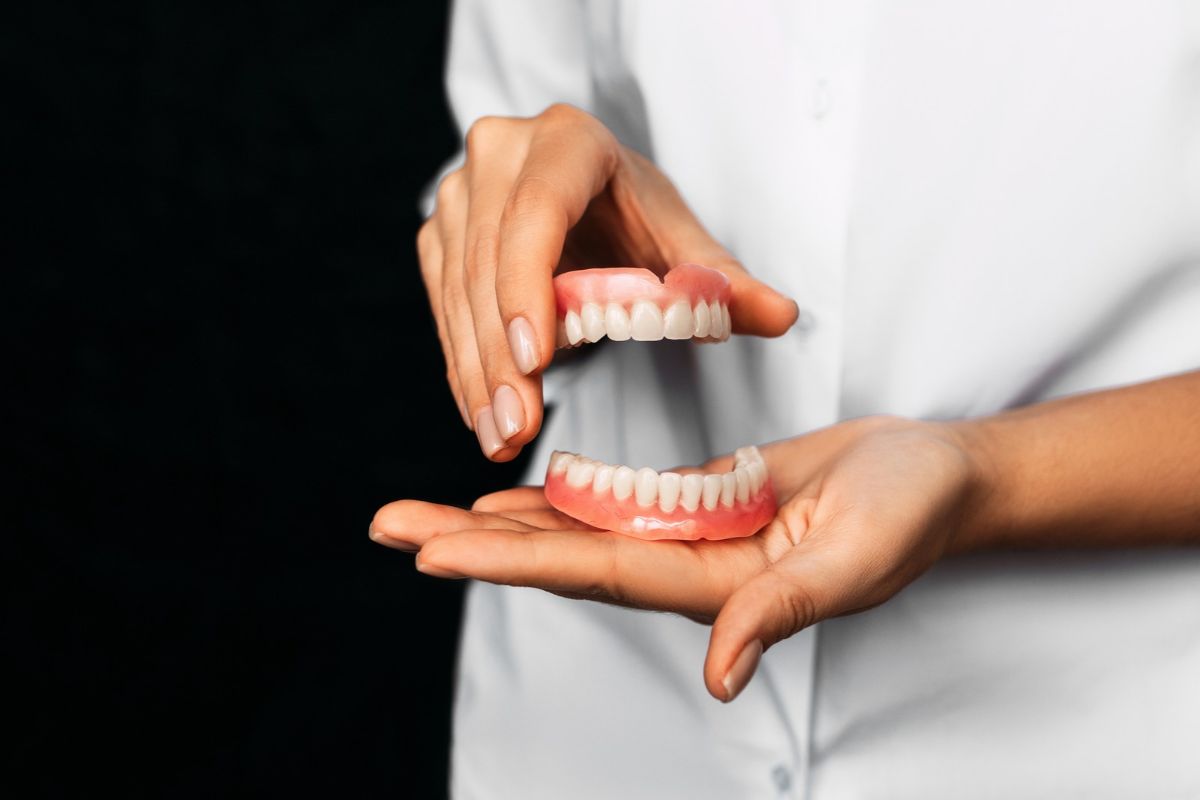
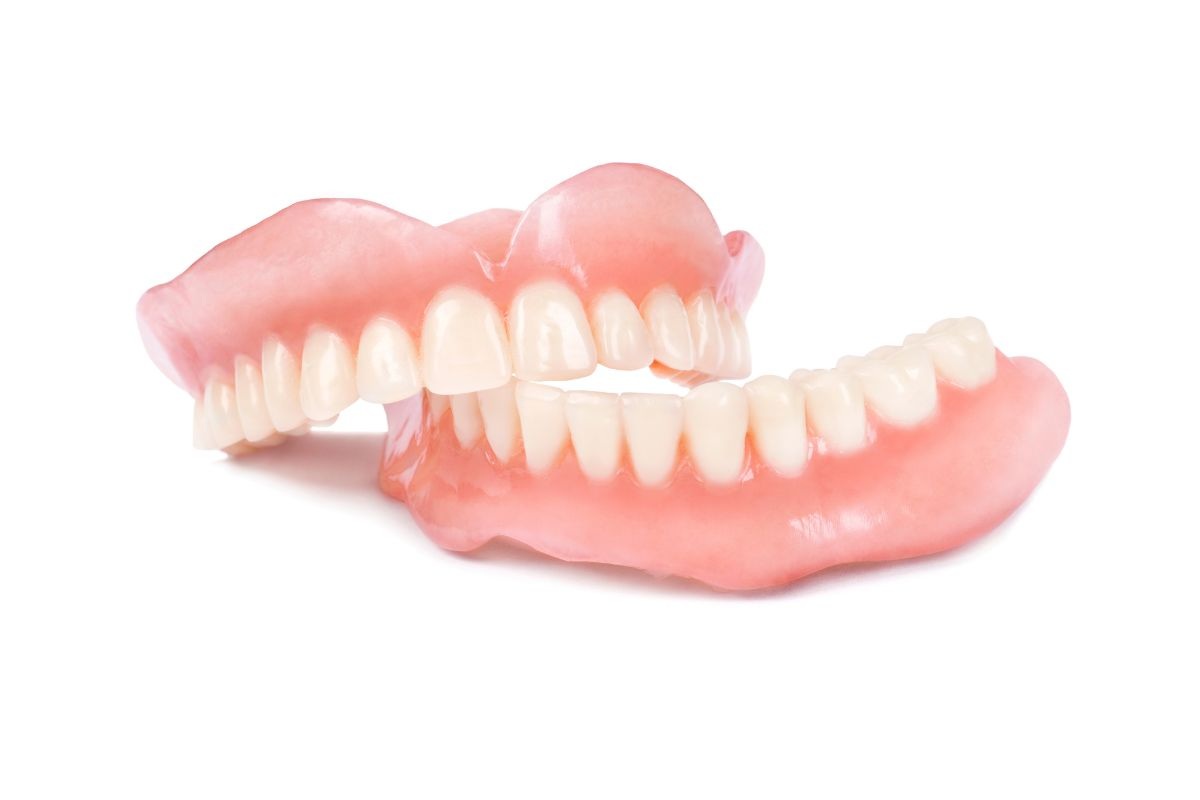
Complete dentures are removable appliances designed to replace all the teeth in the upper or lower dental arch.
They may be recommended when all natural teeth in an arch are missing or need to be removed because they cannot be predictably restored.
Complete dentures are custom-made to fit your mouth and support everyday activities such as eating and speaking.
Partial Dentures
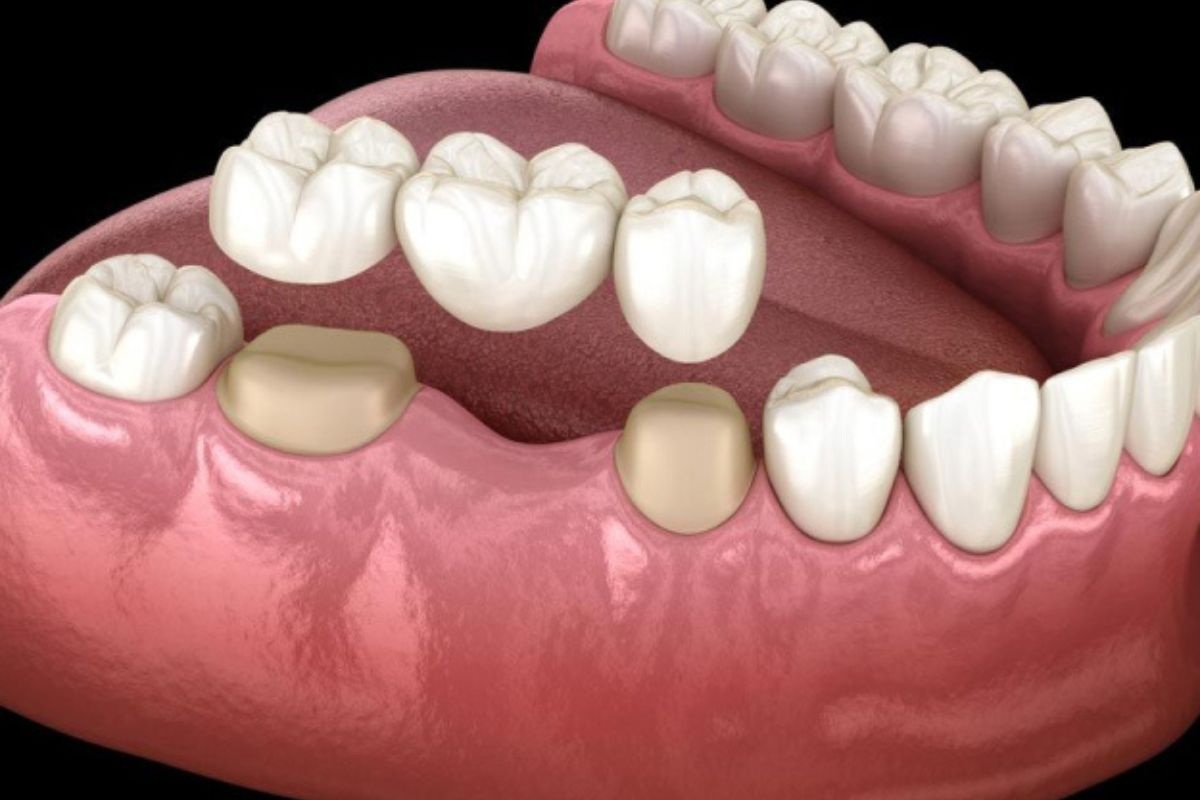
Partial dentures replace several missing teeth while allowing your healthy natural teeth to remain.
They are designed to fill gaps in your smile and may use clasps or other attachments to help stay in position.
Your dentist will consider the condition of your remaining teeth, gum health, and bite when determining whether partial dentures are suitable.
What Happens During a Denture Consultation?
If you’re considering dentures, your first step is a dental evaluation.
During your appointment, your dental team may:
- Examine your remaining teeth and gums.
- Evaluate your bite and overall oral health.
- Take dental X-rays when necessary.
- Discuss whether complete or partial dentures are appropriate.
- Explain available treatment options and the next steps.
The goal is to develop a treatment plan based on your specific needs rather than choosing a denture type based on symptoms alone.
How Can You Care for Your Dentures?
Proper denture care helps maintain cleanliness and comfort.
Remove and clean removable dentures according to your dentist’s instructions. Use a denture brush and an appropriate denture-cleaning product rather than regular abrasive toothpaste. When you’re not wearing them, store them as directed to prevent drying or damage.
You should also continue caring for your gums, tongue, and any remaining natural teeth.
For additional guidance, explore our related resource on how to clean dentures.
Regular dental visits remain important, even if you no longer have natural teeth. Your dentist can check your oral tissues and evaluate the condition and fit of your dentures.
Frequently Asked Questions About Dentures
1. How do I know if I need complete or partial dentures?
Complete dentures may be appropriate when all teeth in an upper or lower arch are missing or cannot be restored. Partial dentures may be suitable when several teeth are missing but some healthy natural teeth remain. Your dentist can determine the appropriate option after an examination.
2. Can I get dentures if I still have some natural teeth?
Yes. Partial dentures are designed to replace missing teeth while preserving suitable remaining natural teeth. Your dentist will assess the condition and stability of those teeth before recommending treatment.
3. Does getting dentures hurt?
The process of getting dentures involves several dental appointments and may include tooth extractions if necessary. Some soreness or adjustment discomfort can occur, particularly when wearing new dentures. Your dental team can provide guidance to help manage these concerns.
4. How long do dentures last?
The lifespan of dentures varies depending on their material, maintenance, fit, and changes in your mouth. Over time, dentures may require adjustments, relining, or replacement. Regular dental evaluations help identify when attention is needed.
5. Can dentures improve my ability to eat and speak?
Dentures are designed to replace missing teeth and help restore chewing and speech functions. However, adjusting to them takes time. Eating and speaking may feel different initially, and your comfort depends partly on how well the dentures fit.
Restore Your Smile With Personalized Denture Care at Gila Ridge Dental
Missing or damaged teeth shouldn’t keep you from enjoying everyday activities with confidence. Recognizing the signs you need dentures can help you take the next step toward understanding your tooth-replacement options.
At Gila Ridge Dental, patients in Foothills can explore complete and partial dentures as part of personalized restorative dental care. Our team evaluates your oral health and discusses treatment options based on your individual needs.
If you’re experiencing difficulty chewing, multiple missing teeth, or problems with existing dentures, schedule an appointment to discuss your concerns.
Contact Gila Ridge Dental at 928-770-1042 to schedule your consultation and explore denture options in Foothills.
Ready to see us?
New patients are always welcome.
Book an appointment