You’re brushing your teeth one morning, glance in the mirror, and notice something small, chalky-looking patches scattered across a few of your teeth. They’re lighter than the rest of the tooth, slightly dull, and they weren’t there before. Or maybe they’ve been there so long you assumed they were just part of how your teeth look.
So what are they, exactly? Are white spots on teeth just a cosmetic thing, or do they point to something more serious happening beneath the surface?
The honest answer is: it depends. White spots can mean a few different things, and in many cases, yes, they can be an early signal that your tooth enamel is losing minerals. But not every white spot is a reason to panic. What matters most is understanding what’s causing them, how far along the process is, and what your options are for protecting or restoring your smile.
If you’ve been curious about your options, many people find that a cosmetic dentistry treatment can address the appearance of white spots while also helping to protect the remaining enamel underneath. But let’s back up first and understand the full picture.
What Are White Spots, and Why Do They Appear?
Your tooth enamel is the hard, outer shell that covers every tooth. Under normal conditions, it’s smooth, slightly translucent, and incredibly strong. When enamel is healthy, it blends in evenly across the surface of your teeth.
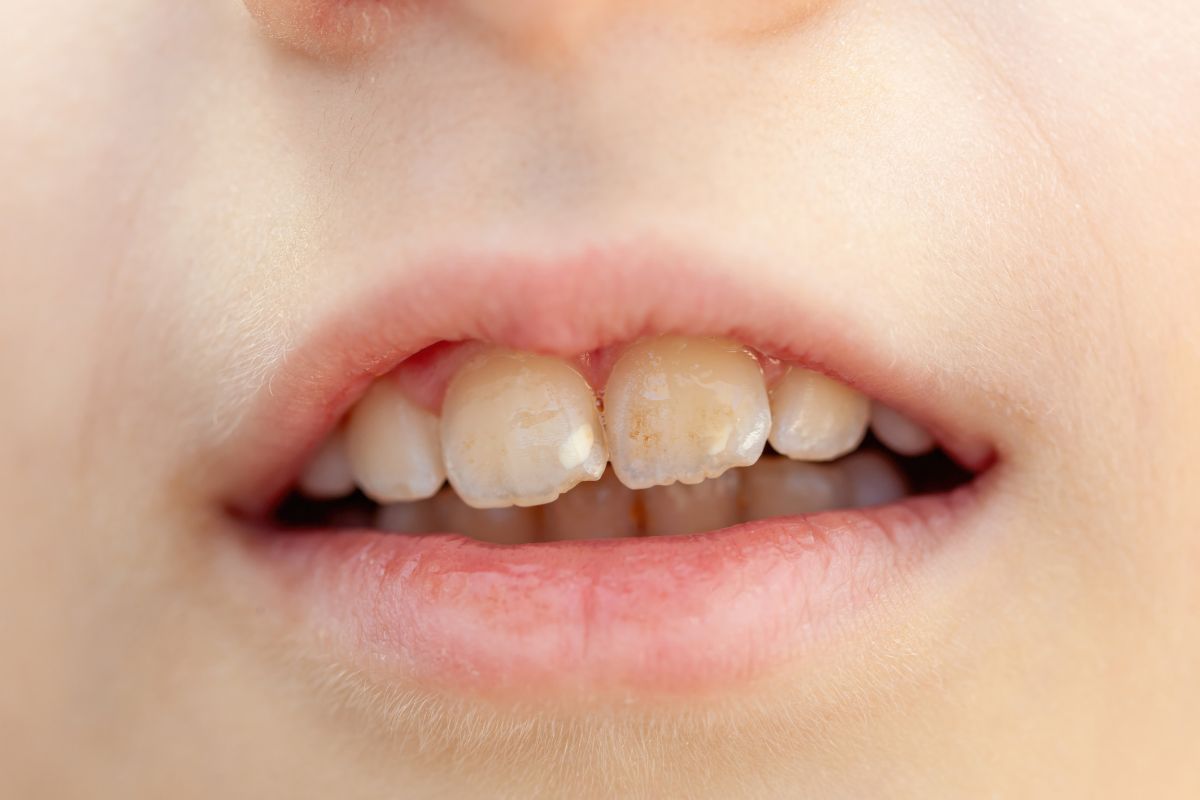
White spots show up when the enamel loses minerals, a process called demineralization. The affected area becomes opaque and chalky-looking because the mineral structure has changed. Healthy enamel reflects light in a way that looks natural and even. Demineralized enamel doesn’t do that. It scatters light differently, which creates those visible white patches.
Here’s something worth knowing: white spots are often more visible right after teeth whitening. When the surrounding enamel brightens, the already-opaque patches remain the same, making the contrast more noticeable. That doesn’t mean whitening caused them; it just reveals what was already there.
What Causes White Spots on Teeth?
There isn’t just one reason white spots appear. Several factors can lead to the same chalky patches, and knowing the difference matters for treatment.
Demineralization from plaque and acid
This is the most common cause. When plaque builds up on the teeth, the bacteria inside it produce acids that slowly dissolve minerals, mainly calcium and phosphate, from the enamel. Over time, this weakens the surface and creates those pale, dull patches. This kind of demineralization is also an early stage of tooth decay. If it progresses without intervention, a cavity can form in the same spot.
People who eat a lot of sugary or acidic foods, snack frequently throughout the day, or don’t brush and floss consistently are more prone to this type of enamel weakening.
Fluorosis
Fluoride is important for strong teeth, but too much of it during childhood, when teeth are still developing underneath the gums, can interfere with how enamel forms. The result is called fluorosis, and it shows up as white streaks or spots once the teeth emerge. Mild fluorosis is very common and mostly cosmetic. More pronounced cases can affect the texture of the enamel as well.
Enamel hypoplasia
This condition occurs when enamel doesn’t develop properly in the first place. It can be caused by nutritional deficiencies, illness during early childhood, premature birth, or certain medications taken during pregnancy. Teeth affected by enamel hypoplasia may show up with white spots, pitting, or a rougher texture from the moment they come in.
Braces and orthodontic appliances
White spots are especially common in people who have had braces. The brackets and bands make it harder to clean certain areas of the teeth properly, which allows plaque to accumulate around the hardware. After braces are removed, those areas may have visible white spots where the enamel was demineralized over time. These spots are a common reason people seek cosmetic dental care after orthodontic treatment.
Dry mouth and mouth breathing
Saliva plays a bigger role in protecting your teeth than most people realize. It helps neutralize acids, delivers minerals back to the enamel, and washes away bacteria and food particles. When saliva production drops due to dry mouth, certain medications, or chronic mouth breathing, that natural protection is reduced. The result can be accelerated demineralization and more white spots.
Diet and dehydration
Acidic foods and drinks, such as citrus fruits, vinegar-based dressings, sodas, and sports drinks, erode enamel over time. Staying hydrated supports saliva production, which in turn helps protect your teeth. In dry, warm climates especially, dehydration can quietly work against your enamel health.
Do White Spots Always Mean Enamel Loss?
Not every white spot means your enamel is actively breaking down. Some spots, particularly those caused by fluorosis or enamel hypoplasia, are developmental, meaning they were there from the start and reflect how the enamel formed rather than ongoing damage.
But many white spots, particularly those that appear in adulthood or seem to be growing or spreading, are connected to demineralization. In those cases, the enamel is weakening. If the process isn’t stopped, it can progress into early-stage decay, tooth sensitivity, and eventually a cavity that requires more significant treatment.
The key distinction is whether the white spot is active or stable:
- Active spots are usually softer to the touch, dull-looking, and may feel rough with a dental instrument. They’re signs of ongoing mineral loss.
- Inactive spots tend to be harder, slightly shiny, and stable. They may not need treatment beyond monitoring.
A dentist can usually tell the difference during an exam, and in some cases, X-rays help evaluate what’s happening beneath the surface.
Can White Spots Go Away on Their Own?
In some cases, yes, but only in the early stages. If the demineralization is caught early and the underlying cause is addressed (improving oral hygiene, cutting back on acidic foods, using fluoride toothpaste), the enamel can sometimes remineralize. That means minerals from your saliva and fluoride products are redeposited back into the enamel, partially reversing the damage.
This doesn’t always completely eliminate the spot, but it can stabilize it and prevent it from worsening. The earlier the intervention, the better the chances.
Once demineralization has progressed to a certain depth, the spot becomes permanent. At that stage, remineralization can still prevent further damage, but it won’t restore the tooth’s visual appearance on its own.
What Treatments Are Available?
Depending on the cause and severity of the white spots, there are several paths forward — from preventive strategies to cosmetic corrections.
Teeth whitening
Professional whitening can help reduce the contrast between white spots and the surrounding enamel by brightening the overall tooth color. It works best when combined with other treatments, as whitening alone doesn’t remove the spots; it just narrows the visual gap.
Dental bonding
For more noticeable spots, tooth-colored composite resin can be applied and shaped over the affected area. Bonding blends seamlessly with the surrounding enamel and is a good option when microabrasion alone isn’t enough.
Porcelain veneers
When white spots are widespread, severe, or accompanied by other cosmetic concerns, veneers offer a comprehensive solution. A thin layer of porcelain is custom-made and bonded to the front surface of the tooth, completely covering the spots and creating a consistent, natural-looking appearance.
The right approach depends on your individual situation, the cause of the spots, how deep the enamel changes are, and what your overall smile goals are. A conversation with a cosmetic dentist who understands the relationship between enamel health and aesthetics is the best starting point.
How to Prevent White Spots From Forming
Prevention is always easier than treatment. There are some straightforward habits that make a real difference:
- Brush at least twice a day with a fluoride toothpaste, making sure to clean along the gumline and between teeth
- Floss daily to remove plaque from areas your toothbrush can’t reach
- Limit sugary and acidic foods and drinks, especially between meals
- Rinse your mouth with water after eating or drinking anything acidic
- Stay hydrated throughout the day to support healthy saliva flow
- Use a fluoride mouthwash if you’re at higher risk for enamel problems
- Keep up with regular dental cleanings and exams so that early issues are caught before they progress
- If you’re getting braces, pay extra attention to cleaning around brackets and wires
When Should You See a Dentist About White Spots?
If you notice new white spots appearing, spots that seem to be growing or multiplying, or spots accompanied by tooth sensitivity, it’s a good idea to have them evaluated sooner rather than later. Early-stage enamel issues are much easier and less costly to address than the same issues after they’ve progressed.
Even if your white spots have been there for years and seem stable, a dental exam can confirm whether they’re truly inactive or if they need attention. The fact that something hasn’t caused pain yet doesn’t always mean it’s fine. Enamel doesn’t have nerve endings, so you won’t feel early demineralization happening.
Keeping Your Smile Healthy and Confident
White spots can feel like a small thing, but they’re worth paying attention to. They’re your teeth’s way of signaling that something has shifted, whether it’s how they developed, how your oral hygiene routine is working, or how your diet is affecting your enamel over time. Caught early, most cases are very manageable. Left unaddressed, they can quietly progress into something that requires more involved care.
At Gila Ridge Dental, we take a thorough, individualized approach to every smile. Whether you’re dealing with white spots from old braces, signs of early demineralization, or concerns about how your teeth look, our team is here to help you understand what’s happening and what your options are. For patients throughout Yuma, AZ, we offer a full range of services from preventive care and remineralization support to complete cosmetic dentist evaluations so you can make informed decisions about your dental health. We’re here every step of the way, from diagnosis to treatment, to help you protect and restore a smile you feel good about. Request an appointment today and let us take a closer look at what your smile needs.
Frequently Asked Questions
Are white spots on teeth contagious or something that can spread between family members?
No, white spots are not contagious. They result from individual factors like diet, oral hygiene, enamel development, or fluoride exposure. That said, if a family shares habits like frequent soda or sugary snack consumption, multiple members may develop similar enamel issues on their own.
My child has white spots on their baby teeth. Should I be concerned?
It’s worth mentioning at their next dental visit. White spots on baby teeth can signal early demineralization, especially if your child’s diet includes a lot of sugary or acidic foods. Professional fluoride varnish applied at the office can help protect the enamel while those primary teeth are still in place.
I’ve heard that some toothpaste claims to reverse white spots. Do those products actually work?
Remineralizing toothpastes with fluoride or hydroxyapatite can support early enamel recovery and may slightly improve very shallow spots over time. They won’t erase deep or long-standing white spots on their own, but they’re a useful part of a preventive routine when used consistently under dental guidance.
Can stress or illness cause white spots to appear?
Yes, indirectly. Severe illness or high fever during early childhood can disrupt enamel development, leading to white spots later. In adults, certain illnesses or medications that reduce saliva flow leave enamel more vulnerable to acid damage. If you’ve noticed changes in your teeth following a prolonged illness, it’s worth bringing up at your next visit.
Is it safe to get teeth whitening if I already have white spots?
Generally, yes, but it’s best to have the spots evaluated first. Whitening can temporarily make white spots look more noticeable right after treatment, since the surrounding enamel brightens faster than the affected areas. A dentist can help you decide whether whitening alone makes sense or whether treating the spots directly first would give you a better overall result.