Most people think about going to the dentist only when something hurts. A toothache shows up, or a filling falls out, and suddenly there’s a reason to make that call. But here’s the thing: waiting until something goes wrong is one of the most common mistakes people make with their oral health.
At Gila Ridge Dental, with multiple offices in Yuma, AZ- our Central Yuma Office, West Yuma Office, and Foothills Office we see this pattern regularly. Patients come in after a long gap, and what could have been a simple fix has turned into something that takes more time, requires more visits, and costs more to correct. Routine dental cleanings and exams exist specifically to prevent that from happening. They give your dental team a chance to catch small problems before they grow and to keep your smile in the best shape possible between visits.
So what actually happens during a routine checkup, and how does it connect to a healthier, better-looking smile? Let’s walk through it.
What a Routine Dental Checkup Actually Involves
A lot of people picture a dental checkup as someone poking around with a metal tool and telling them to floss more. The reality is quite a bit more involved than that.
When you come in for a routine visit, your dental team typically starts with X-rays. These aren’t taken every time, but when they are, they give a clear view of what’s happening below the surface between teeth, at the roots, and in the bone. Problems like early decay, cysts, or bone loss often don’t show any visible signs yet, and X-rays catch them while they’re still manageable.
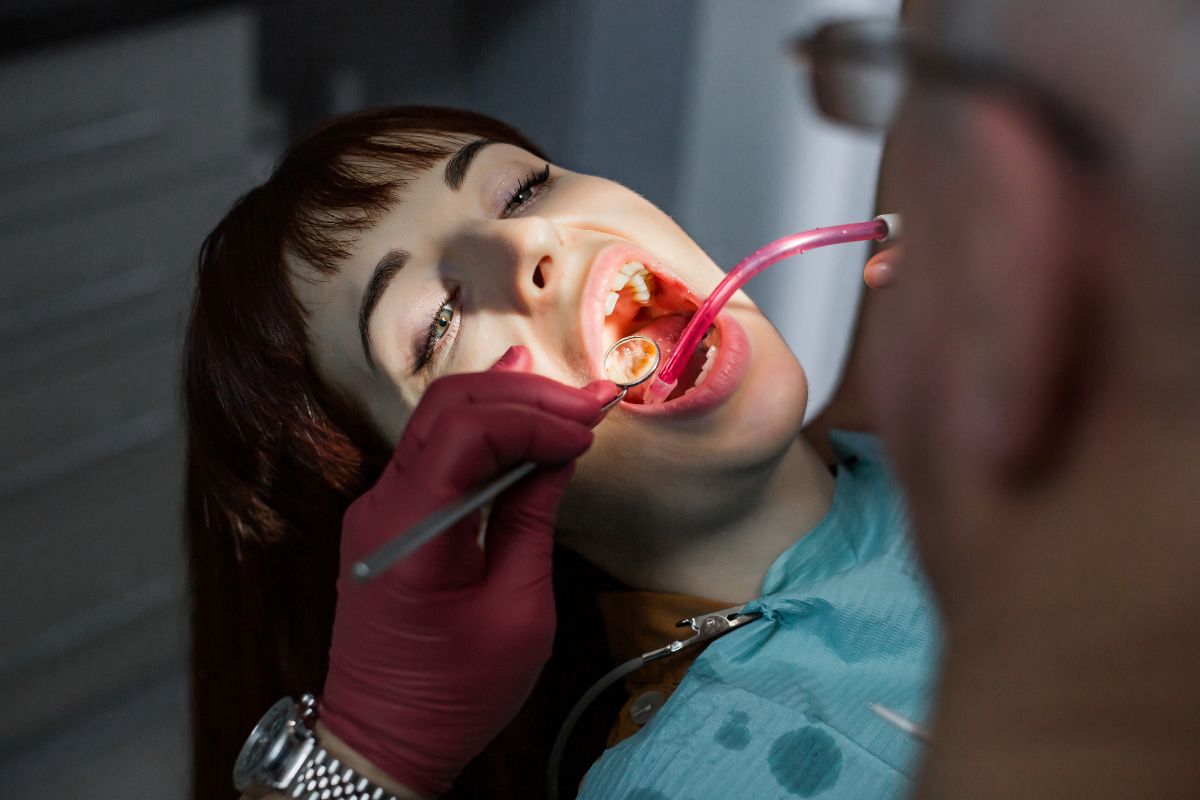
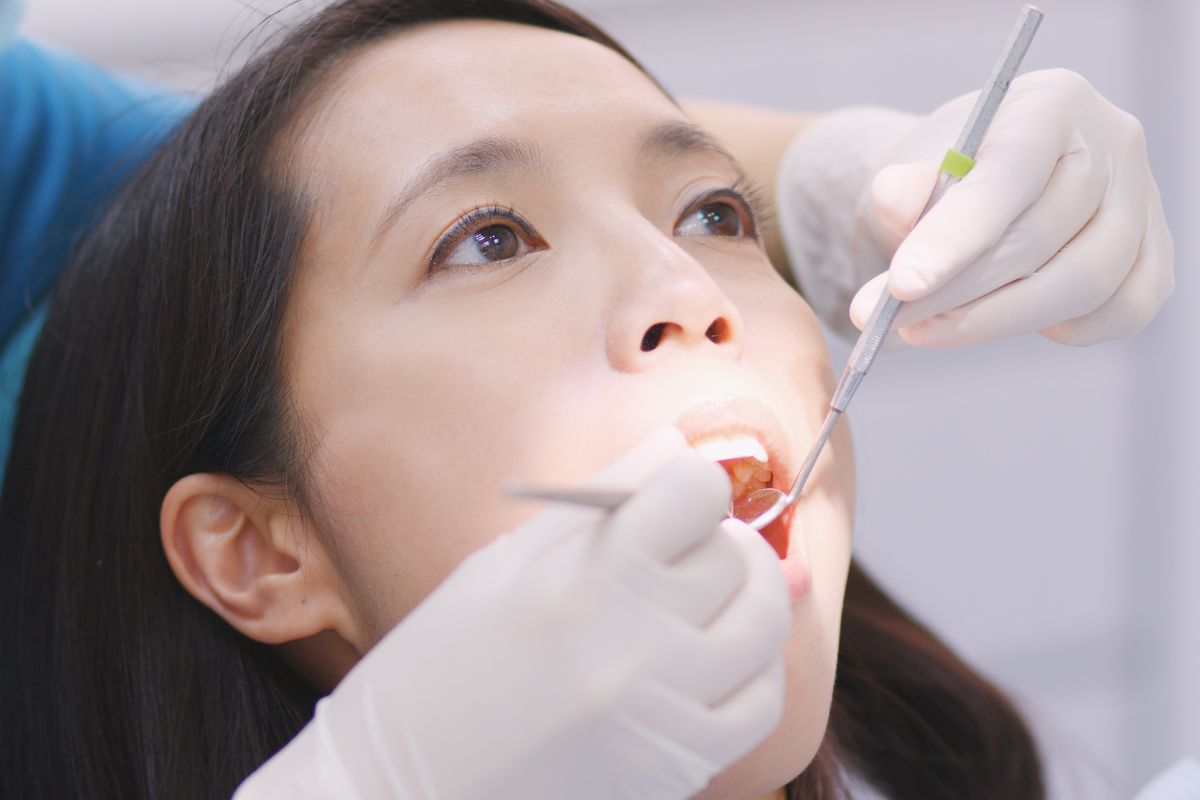
After that, the dentist does a full exam. This includes checking each tooth for signs of decay, examining the gum tissue for inflammation or recession, assessing the bite, and checking for any unusual changes in the soft tissues of the mouth, including the tongue, cheeks, and throat. That last part matters more than most people realize, because routine checkups also include oral cancer screenings. Early detection makes a significant difference in outcomes.
Once the exam is complete, a dental hygienist performs a professional cleaning. This is where plaque and tartar that your toothbrush can’t reach get removed, particularly along the gumline and between teeth. No matter how well you brush and floss at home, tartar is something only professional tools can take care of.
The Connection Between Checkups and Your Smile
Here’s something that often surprises people: routine dental visits do more for the appearance of your smile than most at-home cosmetic steps.
Stain removal: Coffee, tea, red wine, and certain foods leave behind surface stains over time. Professional cleanings polish the enamel and remove a good amount of this buildup, leaving teeth looking noticeably cleaner and brighter.
Gum health: Healthy gums frame your teeth and give your smile its shape. When gum disease sets in, even at the early stage called gingivitis, the gums can become red, swollen, and start pulling away from the teeth. That changes the way your smile looks and feels. Catching and treating it early keeps your gum tissue healthy and in the right position.
Preventing visible damage: Cavities that go undetected grow over time. A small cavity that could have been filled with a simple restoration can eventually require a crown, root canal, or even tooth removal if left alone. Keeping your natural teeth intact is one of the biggest factors in maintaining a complete, healthy-looking smile.
Breath freshness: Persistent bad breath is often rooted in bacterial buildup in gum pockets, on the tongue, or around older restorations. A professional cleaning addresses those areas directly in a way that mouthwash and brushing simply can’t.
What Happens When You Skip Checkups?
It’s easy to put off a dental visit when your teeth feel fine. But the tricky part about most oral health problems is that they don’t hurt in the early stages.
Plaque begins hardening into tartar within just a couple of days. Once tartar forms along the gumline, it creates a breeding ground for bacteria. Over weeks and months, the bacteria irritate the gum tissue, and the early stages of gum disease begin, usually without any discomfort. By the time most people notice bleeding gums, soreness, or sensitivity, the problem has already been developing for a while.
Cavities follow the same pattern. Decay starts on the outer surface of the enamel and slowly works its way deeper. Early cavities are quick and easy to fix. But once decay reaches the inner pulp of the tooth, a filling is no longer enough a root canal becomes necessary. And if the damage goes further, the tooth may not be salvageable at all.
The longer the gap between visits, the more likely it is that several small issues have been building at the same time. What started as preventive care becomes a more involved treatment plan.
How Often Should You Actually Come In?
For most adults, the general recommendation is twice a year, once every six months. This schedule gives your dental team a regular opportunity to monitor your teeth and gums, catch anything that’s developing, and keep your cleanings manageable.
That said, some people benefit from more frequent visits. If you have a history of gum disease, cavities, or certain health conditions, such as diabetes, that affect oral health, your dentist may recommend coming in every three to four months instead.
If you’re not sure what schedule makes sense for you, that’s exactly the kind of conversation to have at your next visit. Your dental team can give you a recommendation based on your specific health history and current needs.
The Whole-Body Connection
Your mouth doesn’t exist in isolation from the rest of your body. There’s a well-established relationship between oral health and overall health, and routine checkups play a role in both.
Gum disease, in particular, has been linked to a number of systemic conditions. Bacteria from infected gum tissue can enter the bloodstream, contributing to inflammation elsewhere in the body. Research has connected chronic gum disease to increased risk of heart disease, difficulty managing blood sugar in people with diabetes, and complications during pregnancy.
This doesn’t mean that a dental cleaning will fix or prevent those conditions. But it does mean that keeping your mouth healthy is genuinely part of taking care of your overall health, not just a cosmetic concern.
What to Expect If It’s Been a While?
If it’s been longer than you’d like since your last dental visit, you’re not alone, and there’s no need to feel embarrassed about it. Dental teams see this regularly, and the goal is always to help you get back on track, not to judge how long it’s been.
When you come in after a longer gap, the first visit may take a bit more time than a standard checkup. Your dentist will do a thorough exam, take any necessary X-rays, and get a full picture of where things stand. If there are any issues to address, you’ll go over the options together and build a plan that makes sense for your schedule and budget.
After that first visit, getting back on a regular schedule is usually straightforward. Most people find that once they’re caught up, maintenance visits are quick and uneventful.
Keeping Your Smile Healthy and Your Confidence Strong
Your smile is one of the first things people notice about you, and it’s something worth taking care of. Routine dental checkups aren’t just a box to check twice a year. They’re the foundation of a smile that looks good, feels healthy, and stays that way over the long term.
Regular preventive dental care makes it easier to detect small concerns before they become bigger problems. Whether you’re due for a cleaning, overdue for an exam, or simply want to stay on top of your oral health, having a trusted dental team by your side can make all the difference.
Request an appointment today and take the first step toward a healthier, brighter smile.
Frequently Asked Questions
I brush and floss every day. Do I still need to come in twice a year?
Yes. Even a perfect home routine doesn’t remove tartar once it’s formed, and it doesn’t give you a look beneath the surface at what’s developing between or below the teeth. Home care and professional care work together; one doesn’t replace the other.
My child’s baby teeth will fall out anyway. Do they need regular checkups too?
They do. Baby teeth hold space in the jaw for permanent teeth, and decay in baby teeth can spread and affect developing adult teeth below the surface. Regular checkups for children help establish healthy habits early and catch any developmental concerns before they become bigger issues.
Is it normal for my gums to bleed a little when I floss?
Occasional light bleeding can happen if you haven’t flossed in a while, but regular bleeding when you floss is usually a sign that the gum tissue is inflamed. This is one of the early signs of gum disease, and it’s worth mentioning to your dentist at your next visit so it can be evaluated and addressed.
How long does a routine checkup and cleaning usually take?
For most patients, a standard visit takes between 45 minutes and an hour. If X-rays are needed or if it’s your first visit, it may run a bit longer. If you’ve had a longer gap since your last visit and there’s more buildup to address, your hygienist will let you know upfront.