Tooth pain when biting down is one of the most common dental complaints people deal with and one of the most ignored, too. Most people assume it will go away on its own, or they push through the pain, favoring the other side of their mouth. But here’s the thing: that pain is your tooth’s way of telling you something needs attention.
The good news is that with proper professional dental care, most of the causes behind this kind of tooth pain are very treatable, especially when you catch them early. At Gila Ridge Dental, we see this, and this guide is here to help. It breaks down what’s likely causing that bite-triggered ache, what you can do at home to manage the discomfort, and when it’s the right time to contact your dentist.
Why Does My Tooth Hurt Only When I Bite Down?
Pain that occurs only when you bite or chew is different from a constant toothache. It usually points to a structural problem, something happening inside or around the tooth that gets aggravated under pressure. Here are the most common culprits:
1. A Cracked or Fractured Tooth
Tooth cracks are sneaky. They don’t always show up on X-rays, and you might not feel anything until pressure hits the right spot. When you bite down, the two sides of a crack flex slightly, which irritates the nerve and causes that sharp, sudden pain. Cracked tooth syndrome is surprisingly common, especially in people who grind their teeth or have had large fillings over the years.
2. A Cavity That Has Gone Deep
A small cavity might not cause any pain at all. But when decay works its way deeper into the tooth toward the inner pulp where the nerve lives, biting down can trigger real discomfort. The pressure compresses the already-inflamed tissue and sends a pain signal you can’t ignore.
3. A Loose or Damaged Filling
Old fillings can crack, shift, or wear down over time. When a filling no longer sits flush with the tooth surface, it can throw off your bite just enough to make that tooth more sensitive to pressure. Even a tiny gap or overhang can become a problem.
4. Gum Disease
You might not immediately connect gum issues to bite-related pain, but advanced gum disease can cause the bone and tissue supporting your teeth to weaken. This loosens the tooth slightly, and any chewing pressure can cause aching or soreness.
5. An Abscess or Infection
A dental abscess is a pocket of infection, usually at the root of the tooth or in the surrounding gum. When the area is inflamed and infected, biting down puts pressure directly on that tissue, and the pain can be intense. Other signs of an abscess include swelling, a bad taste in your mouth, or a persistent throbbing ache.
6. A Bite That’s Off (Malocclusion)
Sometimes the tooth isn’t “broken” in any obvious way; it’s just bearing too much force because your bite is slightly unbalanced. This is common after dental work, like a new crown or filling that sits a hair too high. Over time, the excessive force on that one tooth causes soreness and sensitivity.
What You Can Do at Home to Find Some Relief?
While home remedies are not a substitute for seeing your dentist, they can help you manage discomfort until your appointment. Here’s what actually works:
Rinse with warm salt water. A simple saltwater rinse (about half a teaspoon of salt in a glass of warm water) can reduce inflammation around the tooth and help keep the area clean. Do these two to three times a day for short-term relief.
Use over-the-counter pain relievers. Ibuprofen (Advil, Motrin) tends to work better for dental pain than acetaminophen because it reduces both pain and inflammation. Follow the dosage directions on the label and never place aspirin directly on the gum, as this can cause a chemical burn.
Avoid triggering foods. This one seems obvious, but it’s worth spelling out. Stay away from hard, crunchy, chewy, or very hot and cold foods until you’ve had the tooth looked at. Soft foods at room temperature are your best bet in the meantime.
Try clove oil. Clove oil contains eugenol, a naturally occurring compound with mild numbing properties. Dab a tiny amount onto a cotton ball and hold it against the sore area for a few minutes. It won’t fix the problem, but it can take the edge off.
Chew on the other side. Give the painful tooth a break. This simple habit can significantly reduce your discomfort while you arrange to see your dentist.
Keep your head elevated. If the pain flares up at night, sleeping with your head propped up can help reduce blood pressure in the area and ease throbbing pain.
When Home Remedies Aren’t Enough – It’s Time to See a Dentist
Here’s the honest truth: tooth pain when biting down does not go away on its own. You might have a few pain-free days, but the underlying cause will still be there and often getting worse. There are certain signs that mean you should not wait any longer to make an appointment:
- The pain is sharp, intense, or lasts more than a few seconds after biting
- You notice swelling in your jaw, cheek, or gum
- You have a fever alongside the tooth pain
- There’s a visible crack, chip, or darkening of the tooth
- You can feel that a filling or crown has shifted or broken
- The tooth has become very sensitive to temperature
- You notice a bad taste that won’t go away
Any of these signs points to a need for professional diagnosis and treatment, not more waiting.
Contact Us – We’re Here to Help
If you’re experiencing tooth pain when biting down and aren’t sure what to do next, contact us. Our team is ready to listen, evaluate your symptoms, and help you find real relief. Don’t let the discomfort drag on. Reach out today, and let’s figure out what’s going on together.
How Our Dentist Will Diagnose and Treat Your Bite Pain?
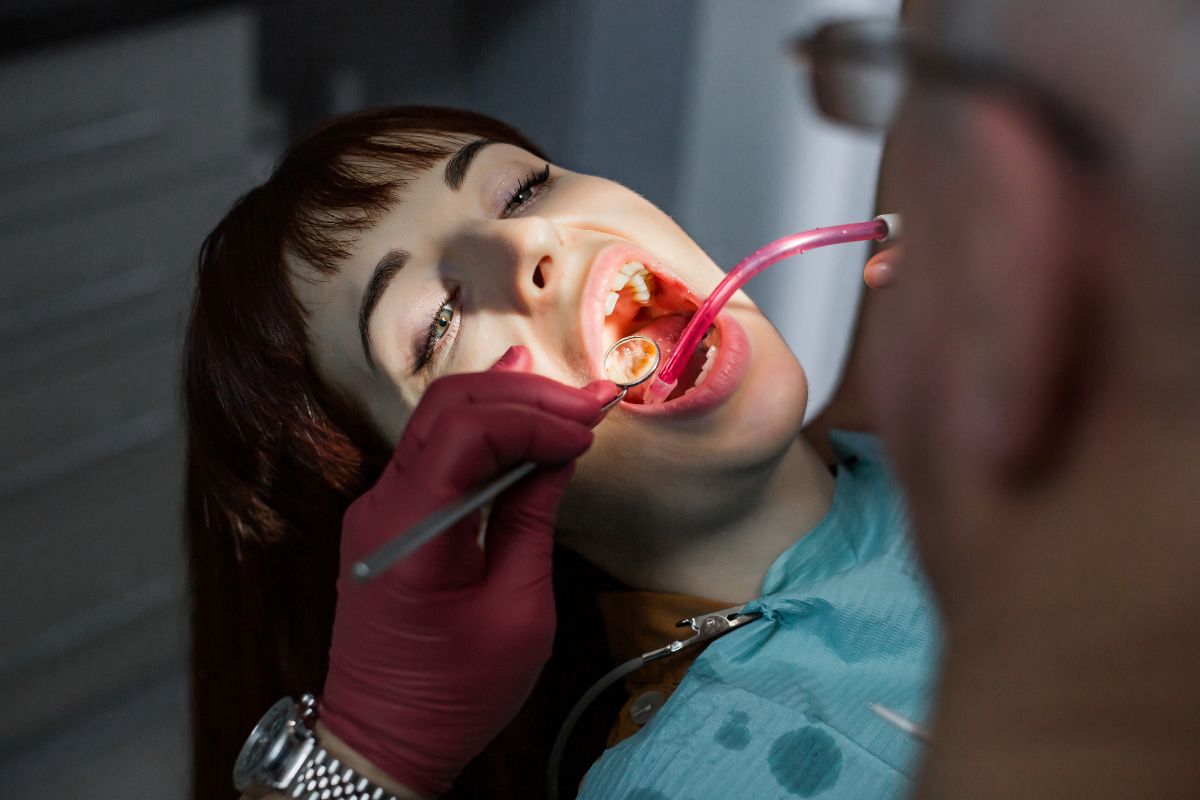
When you come in with bite-related tooth pain, your dentist won’t just take a quick look and guess. Here’s what a proper evaluation typically involves:
A detailed conversation about your symptoms. Our dentist will ask when the pain started, what makes it better or worse, and whether it’s constant or only triggered by pressure. This information is genuinely helpful. Details like “it’s worse when I eat something cold” or “it lingers for about 30 seconds” can point toward very different diagnoses.
A bite test. Your dentist may have you bite down on a small stick or a special testing device to determine which tooth is the source of the pain and from which direction the pressure is causing the pain. This is one of the most reliable ways to identify a cracked tooth.
X-rays. Dental X-rays help reveal decay, infections, bone loss, and root problems that aren’t visible to the naked eye. In some cases, a cone-beam CT scan may be used for a more detailed, three-dimensional view of the tooth and surrounding structures.
Visual and tactile examination. Sometimes a crack shows up only under a special light or when a dye is applied to the tooth surface. Our dentist will check for any visible fractures, damaged restorations, or signs of infection.
Once the cause is identified, treatment options typically include:
- Composite bonding or a new filling for minor decay or a small crack
- A dental crown to protect a tooth that is cracked or significantly weakened
- Root canal therapy if the nerve inside the tooth is infected or inflamed
- Gum treatment if periodontal disease is involved
- Bite adjustment if a restoration is sitting too high
- Antibiotics and drainage in the case of an abscess, followed by definitive treatment
The treatment your dentist recommends will depend entirely on what’s causing the pain, which is exactly why a proper diagnosis matters so much.
Can This Kind of Tooth Pain Be Prevented?
In many cases, yes. You won’t always be able to prevent a crack or an unexpected infection, but there are habits that significantly reduce your risk:
Get regular dental check-ups. Catching a small cavity, early-stage gum disease, or a hairline fracture before it becomes a bigger problem is one of the best things you can do for your dental health. Twice-yearly visits give your dentist a chance to spot trouble early and act on it.
Wear a night guard if you grind your teeth. Bruxism (tooth grinding) puts an enormous amount of force on your teeth, far more than normal chewing. Over time, it causes cracks, wears down enamel, and can even fracture existing restorations. A custom night guard made by your dentist can protect your teeth while you sleep.
Don’t use your teeth as tools. Opening packages, tearing tape, cracking nuts, and biting fingernails are all of these habits that put extra and unpredictable stress on your teeth and dramatically increase the risk of fractures.
Replace old dental work when needed. Fillings and crowns don’t last forever. If your dentist tells you a restoration is showing wear, take their advice seriously. Waiting until it fails completely usually means more extensive (and more expensive) treatment.
Eat a tooth-friendly diet. Crunchy, very hard foods and excessive sugar both take a toll on your teeth over time. Drinking plenty of water, limiting acidic beverages, and eating a balanced diet support strong enamel and healthier gums.
Take the First Step Toward Relief and Better Oral Health
Tooth pain shouldn’t take over your daily life or keep you from enjoying a meal. At our dental office, we understand how much that constant worry wears on you, and we’re here to help you get answers and real relief. Whether you’re dealing with a persistent ache, a sudden sharp jolt, or just something that feels a little “off,” our team provides the kind of attentive, experienced dental care that gets to the root of the problem.
If you’re searching for a trusted dentist in Yuma who takes your concerns seriously, listens carefully, and explains your options in plain language, you’ve found the right place. From thorough diagnosis to gentle, effective treatment, we’re committed to making your dental health a priority every step of the way. Book an appointment today and let us help you get back to eating, laughing, and living without that nagging bite pain holding you back. We proudly serve patients across Yuma Central, Yuma West, and Foothills because everyone in our community deserves a healthy, pain-free smile.
Frequently Asked Questions
Can sinus pressure cause tooth pain when biting?
Yes, sinus issues can create pressure in the upper teeth, leading to discomfort when chewing.
Is it normal for tooth pain to come and go?
Yes, but recurring pain often signals an underlying issue that should be evaluated.
Can stress affect tooth sensitivity when biting?
Stress can lead to clenching or grinding, which may cause discomfort over time.
Does drinking hot or cold beverages make the pain worse?
Temperature sensitivity can accompany biting pain, especially if the tooth is already irritated.
Can a misaligned bite cause pain when chewing?
Yes, uneven pressure from a misaligned bite can strain certain teeth and lead to discomfort.