Are you tired of hiding your smile because of uneven gums? Do you feel self-conscious about the appearance of your teeth? Well, worry no more! Gum contouring is the answer to all your dental woes. This cosmetic procedure can give you the perfect smile that you’ve always dreamed of. In this blog post, we will unlock the secret to a flawless smile by explaining everything you need to know about gum contouring. From its benefits and risks to the recovery process, we’ll cover it all. Get ready to show off those pearly whites with confidence!
What is Gum Contouring?
If you’re unhappy with the appearance of your gums, you may be considering gum contouring. This cosmetic dental procedure can help to create a more aesthetically pleasing smile by altering the shape and/or size of your gums. Gum contouring can be used to correct a number of different issues, including gummy smiles, uneven gum lines, and overly prominent gums.
The first step in undergoing gum contouring is to consult with a qualified cosmetic dentist. During your consultation, your dentist will examine your teeth and gums to determine if you are a good candidate for the procedure. Once it has been determined that you are a good candidate, your dentist will develop a treatment plan specifically for you.
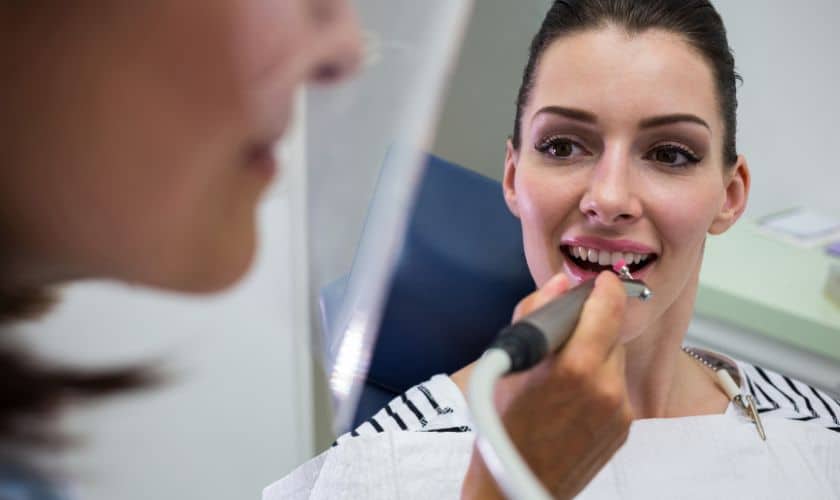
Gum contouring is typically performed using a laser. Your dentist will carefully direct the laser beam to remove excess gum tissue and sculpt the remaining tissue into the desired shape. The entire procedure usually takes less than an hour to complete and can be done in one or two visits to your dentist’s office.
After your gum contouring procedure, it is important to take care of your teeth and gums to ensure optimal results. You should brush and floss regularly and visit your dentist for regular checkups and cleanings. With proper care, you can enjoy your new smile for many years to come!
Benefits of Gum Contouring
There are a number of benefits that can be achieved through gum contouring. By improving the symmetry of your gum line, you can create a more aesthetically pleasing smile. In addition, gum contouring can also help to improve the function of your teeth by making it easier to brush and floss them. Additionally, this procedure can also help to reduce the appearance of gingival recession and make your teeth appear longer.
How Does Gum Contouring Work?
Gum contouring is a cosmetic dental procedure that involves reshaping the gum line to improve the appearance of the teeth. The procedure can be used to correct an uneven gum line, or to make the teeth appear longer or more symmetrical. Gum contouring is usually performed using a laser, and the results are immediate. There is usually no need for stitches, and the recovery time is short.
What are the Steps Involved in Gum Contouring?
If you have ever looked at your smile in the mirror and thought your teeth looked too short, you may be a candidate for gum contouring. Gum contouring, also called gum reshaping, is a cosmetic dental procedure that can improve the appearance of your smile by altering the shape of your gums.
The first step in gum contouring is to consult with your dentist or oral surgeon to see if you are a good candidate for the procedure. During this consultation, your dentist will examine your mouth and take X-rays to determine the best way to approach your treatment.
If you decide to move forward with gum contouring, the next step is to schedule an appointment for the procedure. On the day of your appointment, you will be given local anesthesia to numb the treatment area. Once you are comfortable, your dentist will use a laser or scalpel to carefully remove excess gum tissue.
After your excess gum tissue has been removed, your dentist will use a laser to sculpt your remaining gums into the desired shape. Once your gums have been contoured, they will be rinsed with sterile water and a bandage will be applied.
You can expect some discomfort and swelling after your gum contouring procedure, but this can be easily managed with over-the-counter pain medication. Most patients recover from gum contouring within one week and experience dramatic results!
Who is a Good Candidate for Gum Contouring?
If you’re unhappy with the look of your smile because your gums seem too large or uneven, you may be a good candidate for gum contouring. Gum contouring is a cosmetic dental procedure that can sculpt the gums to create a more balanced, symmetrical look. It can also be used to correct functional problems like uneven gum line or receding gums.
Good candidates for gum contouring are generally healthy, non-smokers who have realistic expectations for the results of the procedure. If you have any active gum disease, you will need to treat that first before considering gum contouring. Your dentist will also evaluate your overall oral health to make sure that you are a good candidate for the procedure.
If you’re interested in improving your smile with gum contouring, talk to your dentist about whether it’s right for you.
Risks and Complications Associated with Gum Contouring
There are a few risks and complications associated with gum contouring, but they are rare and can usually be avoided with proper care. The most common complication is infection, which can occur if the gums are not properly cared for after the procedure. Other potential complications include excessive bleeding, bruising, and swelling. In very rare cases, gum contouring can also cause nerve damage.
Alternatives to Gum Contouring
If your gums are too high or low, you may be a candidate for gum contouring. Gum contouring, also called gum reshaping, is a cosmetic dental procedure that can improve the appearance of your smile.
While gum contouring is an effective way to improve the look of your smile, it’s not the only option. There are several alternatives to gum contouring that can help you achieve the smile you’ve always wanted.
One alternative to gum contouring is dental veneers. Dental veneers are thin pieces of porcelain that are bonded to the front of your teeth. Veneers can be used to correct a wide variety of dental imperfections, including gummy smiles.
Another alternative to gum contouring is orthodontics. Orthodontics can be used to move your teeth into their proper position and alignment. This can often be done without having to remove any tooth structure, making it a more conservative treatment option than gum contouring.
If you’re not happy with your smile, talk to your dentist about all of your treatment options, including gum contouring, dental veneers, and orthodontics. Together, you can develop a treatment plan that’s right for you and will help you achieve the beautiful smile you’ve always wanted.
Conclusion
Gum contouring is an excellent way to achieve a perfect smile. It can help enhance your facial features, give you more confidence in your appearance, and even boost your oral health. With the right care, gum contouring can provide lasting results that will make you look and feel great. So if you’re looking for a way to unlock the secret to a perfect smile, consider gum contouring as an option worth exploring.
FAQs
If you’re considering gum contouring, you probably have a lot of questions. Here are some of the most frequently asked questions about gum contouring, with answers to help you make an informed decision.
What is gum contouring?
Gum contouring is a cosmetic dental procedure that involves removing excess gum tissue to improve the appearance of your smile. It can be done alone or in conjunction with other cosmetic dentistry procedures such as teeth whitening or veneers.
What are the benefits of gum contouring?
Gum contouring can improve the symmetry of your smile and give you a more polished look. It can also make your teeth look longer and your gums appear healthier. In some cases, it can also help with functional problems such as uneven bite or difficulty cleaning certain areas of your teeth.
What is the process of gum contouring?
Gum contouring is usually done using a laser, which precisely removes excess gum tissue while minimizing damage to surrounding tissues. The procedure is typically quick and easy, taking only 30 minutes to an hour to complete. You may experience some mild discomfort during the procedure, but this can be alleviated with local anesthesia.
Recovery time is usually short, with most people able to return to their normal activities within a few days. There may be some temporary side effects such as swelling or tenderness, but these should resolve within a week or so.