

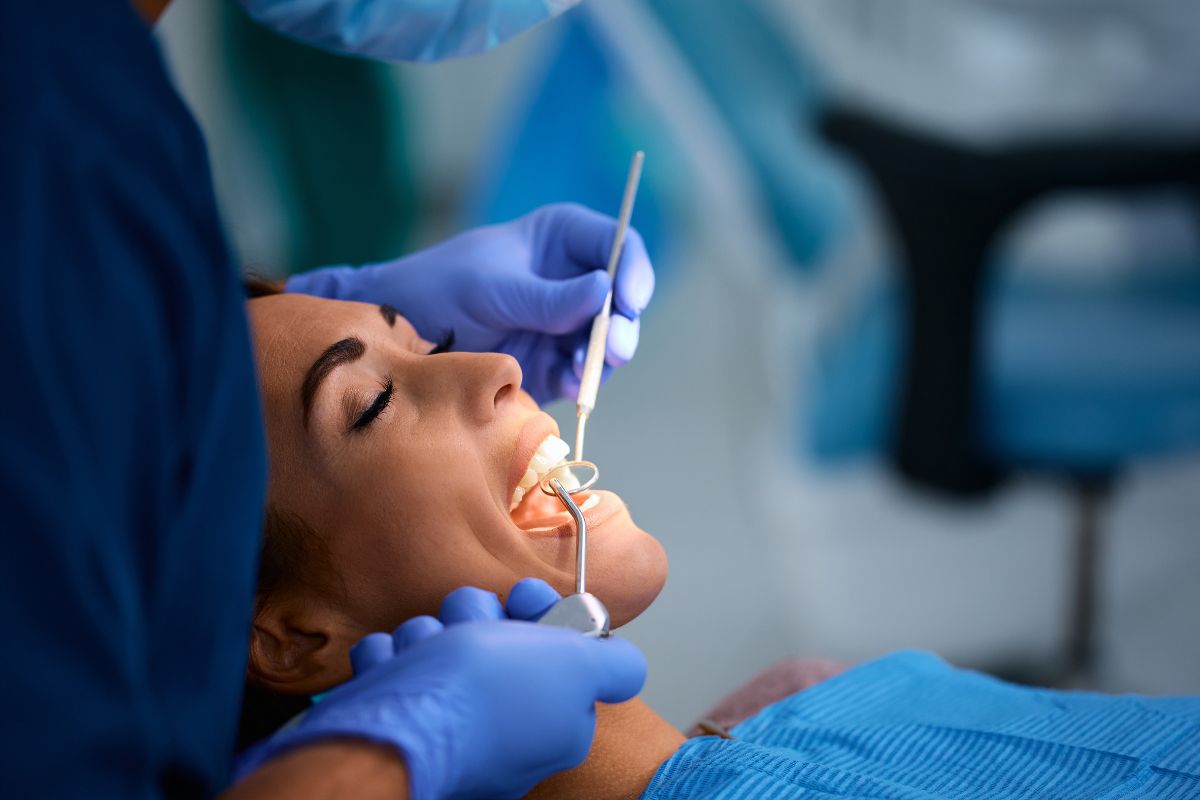
A healthy smile does more than improve appearance. It helps you eat comfortably, speak clearly, and feel more confident in everyday life. Damaged, decayed, or missing teeth can affect both your oral health and self-esteem, but modern restorative dentistry offers solutions that look natural and function like healthy teeth.
Whether you have a chipped tooth, cavities, worn enamel, or missing teeth, restorative dental treatments can help rebuild your smile and protect your long-term oral health. Today’s advanced procedures are more comfortable, durable, and natural-looking than ever before.
What Is Restorative Dentistry?
Restorative dentistry focuses on repairing or replacing damaged, decayed, or missing teeth. The goal is to restore the strength, function, appearance, and health of your smile while preventing future dental problems.
These treatments can help patients who are dealing with:
- Tooth decay or cavities
- Cracked or broken teeth
- Missing teeth
- Worn-down teeth
- Tooth infections
- Gum-related dental damage
- Difficulty chewing or speaking
Restorative dental care not only improves how your smile looks but also helps maintain proper bite alignment and jaw function.
Common Restorative Dentistry Procedures
Modern restorative dentistry includes several treatments designed to meet different dental needs. Your dentist will recommend the best option based on the condition of your teeth and gums.
Dental Fillings
Dental fillings are one of the most common restorative procedures used to treat cavities caused by tooth decay.
After removing the decayed portion of the tooth, the dentist fills the area with durable material to restore the tooth’s structure and function. Tooth-colored composite fillings are popular because they blend naturally with surrounding teeth.
Benefits of dental fillings include:
- Preventing further decay
- Restoring tooth strength
- Preserving natural tooth structure
- Improving appearance
Dental Crowns
Dental crowns, also called caps, cover and protect severely damaged or weakened teeth. Crowns are custom-made to match the shape and color of your natural teeth.
A crown may be recommended if you have:
- A cracked or broken tooth
- Severe tooth decay
- A large filling
- A weak tooth after a root canal
- Cosmetic concerns with tooth shape or discoloration
Crowns restore both function and appearance while protecting the tooth from additional damage.
Dental Bridges
A dental bridge replaces one or more missing teeth by anchoring artificial teeth to neighboring teeth or dental implants.
Missing teeth can lead to shifting teeth, bite problems, and jawbone loss over time. Bridges help restore your smile while improving chewing and speaking ability.
Benefits of dental bridges include:
- Filling gaps caused by missing teeth
- Restoring bite function
- Improving smile appearance
- Preventing teeth from shifting
Dental Implants
Dental implants are considered one of the most effective long-term solutions for missing teeth. Implants replace both the tooth root and visible tooth structure.
The implant is surgically placed into the jawbone, where it integrates naturally with the bone. A custom crown is then attached to complete the restoration.
Why do many patients choose dental implants?
- Natural appearance and feel
- Long-lasting durability
- Improved chewing ability
- Prevention of jawbone loss
- Stability without slipping
Dental implants can replace a single tooth, multiple teeth, or support full-arch restorations.
Dentures
Dentures are removable restorations designed to replace multiple missing teeth or full arches.
Types of dentures include:
- Full dentures for complete tooth loss
- Partial dentures for patients with some remaining natural teeth
- Implant-supported dentures for added stability
Modern dentures are more comfortable and natural-looking than older versions, helping patients regain confidence and oral function.
Benefits of Restorative Dentistry
Restorative dental care offers more than cosmetic improvements. It can significantly improve your overall oral health and quality of life.
Restores Oral Function
Damaged or missing teeth can make chewing difficult and uncomfortable. Restorative procedures help patients eat comfortably again and improve speech clarity.
Improves Smile Appearance
Treatments such as crowns, bridges, implants, and fillings create a healthier, more natural-looking smile that boosts confidence.
Prevents Future Dental Problems
Untreated dental issues often worsen over time. Restoring damaged teeth early helps prevent infections, tooth loss, jawbone deterioration, and bite complications.
Protects Remaining Teeth
Replacing missing teeth prevents neighboring teeth from shifting out of place, helping maintain proper alignment and bite balance.
Long-Term Durability
Modern restorative materials are designed to withstand everyday wear while maintaining a natural appearance for many years.
How to Choose the Right Restorative Dentist?
Choosing an experienced restorative dentist plays a major role in the success of your treatment.
When researching a dentist, consider:
- Experience with restorative procedures
- Advanced training and technology
- Patient reviews and testimonials
- Personalized treatment planning
- Comfortable office environment
- Clear communication about treatment options
Scheduling a consultation allows you to ask questions, discuss goals, and better understand your recommended treatment plan.
What to Expect During Restorative Dental Treatment?
The process varies depending on the procedure, but most restorative treatments begin with a comprehensive dental examination.
Your dentist may use digital X-rays or scans to evaluate your teeth, gums, and jawbone before creating a customized treatment plan.
During Treatment
Most restorative procedures are performed using local anesthesia to keep patients comfortable. Depending on the treatment, procedures may require one or multiple visits.
Your dentist will carefully repair or replace damaged teeth while ensuring the restoration matches your natural smile.
After Treatment
Mild sensitivity or soreness is common after treatment but usually improves within a few days.
To protect your restoration and oral health:
- Brush twice daily
- Floss regularly
- Avoid chewing hard objects
- Attend routine dental checkups
- Follow your dentist’s aftercare instructions
Proper oral hygiene helps restorative work last longer and keeps your smile healthy.
Who Is a Good Candidate for Restorative Dentistry?
You may benefit from restorative dentistry if you have:
- Cavities or tooth decay
- Chipped or broken teeth
- Missing teeth
- Difficulty chewing
- Worn enamel
- Tooth pain or sensitivity
- Older dental restorations that need replacement
A dental evaluation can determine which treatment is best for your specific needs.
Restore Your Smile and Confidence
Restorative dentistry can improve far more than the appearance of your smile. Whether you are dealing with damaged, worn, or missing teeth, the right treatment can restore comfort, improve oral function, and help you feel more confident in everyday life.
From dental fillings and crowns to bridges, dentures, and dental implants, modern restorative dentistry offers long-lasting solutions tailored to your needs and goals.
If you are looking for personalized restorative dental care in Yuma, AZ, the team at Gila Ridge Dental provides comprehensive treatment options designed to restore healthy, natural-looking smiles in a comfortable environment.
Frequently Asked Questions About Restorative Dentistry
How long do dental restorations last?
The lifespan of dental restorations depends on the procedure, materials used, and oral hygiene habits. Fillings may last several years, while crowns and dental implants can last decades with proper care.
Are restorative dental procedures painful?
Most restorative procedures are performed with local anesthesia to minimize discomfort. Patients may experience mild soreness afterward, but recovery is usually manageable and temporary.
Can missing teeth affect overall oral health?
Yes. Missing teeth can lead to shifting teeth, jawbone loss, bite problems, and difficulty chewing. Replacing missing teeth helps maintain proper oral function and prevents future complications.
Which restorative treatment is best for missing teeth?
The best treatment depends on your oral health, budget, and the number of missing teeth. Dental implants, bridges, and dentures are all common options. Your dentist can recommend the most suitable solution after an examination.


