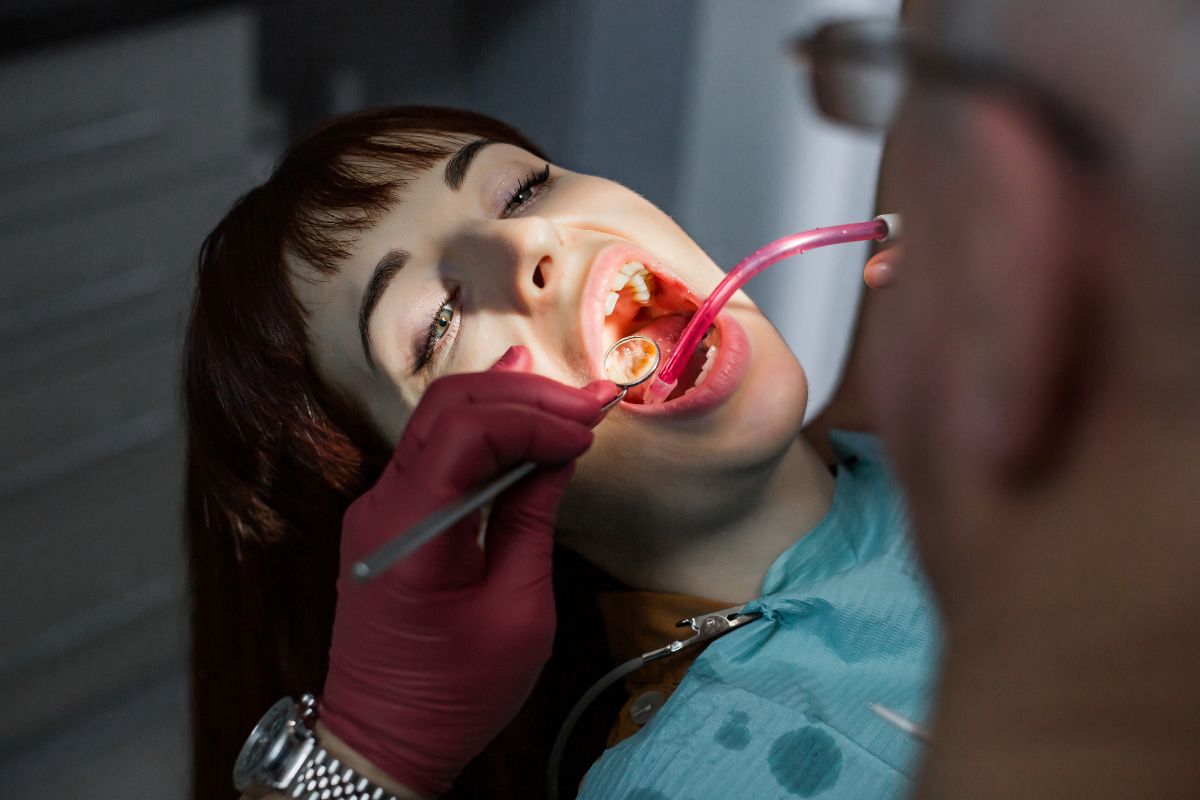
In dentistry, a wide array of dental procedures exists to address various oral health concerns and enhance your smile. From routine preventive care to advanced restorative and cosmetic treatments, understanding the different types of dental procedures can empower you to make informed decisions about your oral health. This comprehensive blog will explore various dental treatments, including dental cleanings, fillings, crowns, root canals, dental implants, teeth whitening, and more.
We will understand the purpose of each procedure, the benefits they offer, and when they might be recommended. Whether you’re seeking to maintain a healthy smile, address dental issues, or enhance the aesthetics of your teeth, this blog will be your guide to the world of dental procedures. Join us on this enlightening journey as we unravel the mysteries of dentistry, demystify dental treatments, and equip you with the knowledge to achieve optimal oral health and a confident smile. Say hello to a brighter, healthier smile with a deeper understanding of dental procedures!
What Is A Dental Procedure?
A dental procedure is a term used to describe any treatment or intervention performed by a dentist or dental specialist to address various oral health issues. These procedures encompass various treatments, from routine preventive care to more complex restorative and cosmetic procedures. Preventive dental procedures are focused on maintaining good oral health and preventing dental issues. Regular dental check-ups, cleanings, and oral hygiene instructions fall under this category.
These measures help detect early signs of dental problems and prevent the development of more significant issues. Restorative dental procedures aim to restore the function and appearance of damaged or decayed teeth. This may include treatments such as fillings to repair cavities, dental crowns to strengthen and protect weak teeth, and root canal therapy to save infected teeth. Cosmetic dental procedures focus on improving the aesthetics of a person’s smile.
Some common cosmetic procedures include teeth whitening, dental veneers, and orthodontic treatments like braces or clear aligners. Prosthetic dental procedures involve replacing missing teeth or supporting structures. Dental implants, bridges, and dentures are examples of prosthetic solutions to restore a complete and functional smile. Orthodontic procedures focus on correcting misaligned teeth and jaw discrepancies, improving aesthetics and bite function.
Each dental procedure is tailored to the specific needs of the patient. Dentists carefully assess the individual’s oral health, discuss treatment options, and develop personalized treatment plans. Regular dental visits and communication with the dentist are crucial for understanding the necessary procedures and maintaining optimal oral health.
Dentists follow strict safety protocols during any dental procedure while prioritizing patient comfort throughout every stage of treatment. It’s important to remember that each person’s oral health needs are unique; therefore, it’s crucial to consult with your dentist, who will recommend specific procedures based on their assessment of your condition.
Types Of Dental Procedures
Regarding dental health, various procedures can help improve and maintain your oral hygiene. Whether you need preventive care or treatment, understanding the different types of dental procedures encompasses a wide range of treatments designed to address various oral health issues and improve the overall dental well-being of patients. Here are some common types of dental procedures:
1. Dental Cleanings: Dental cleanings, or prophylaxis, involve the professional removal of plaque, tartar, and stains from teeth. This preventive procedure helps prevent gum disease and tooth decay, promoting optimal oral health. Regular dental cleanings are essential to maintaining a healthy smile and preventing dental problems.
2. Fillings: Dental fillings are restorative materials that repair teeth damaged by decay or fractures. They fill the cavities after removing the decayed portion, restoring the tooth’s function and preventing further decay. Common filling materials include amalgam, composite resin, and porcelain.
3. Root Canal Therapy: Root canal therapy is a dental procedure to treat infected or damaged tooth pulp. The inflamed pulp is removed, and the tooth is cleaned and sealed. Root canals are effective in restoring oral health and preserving a functional smile.
4. Dental Crowns: A crown is a tooth-shaped cap placed over a damaged or decayed tooth to restore its shape, size, strength, and appearance. It encases the entire visible portion of the tooth above the gum line. Dental crowns are durable and protect weakened teeth, enhancing function and aesthetics for a natural-looking smile.
5. Dental Bridges: Dental bridges are prosthetic devices used to replace one or more missing teeth. They consist of artificial teeth anchored to adjacent natural teeth or dental implants. They improve chewing ability, restore the smile’s appearance, and prevent surrounding teeth from shifting.
6. Dental Implants: Dental implants are titanium posts surgically placed into the jawbone to serve as artificial tooth roots. They provide a strong foundation for replacement teeth, such as crowns, bridges, or dentures. Dental implants offer a permanent and natural-looking solution for missing teeth, enhancing oral function and restoring self-confidence.
7. Dental Veneers: Dental veneers are thin, custom-made shells bonded to the front surface of teeth to improve their appearance. They can enhance teeth’ color, shape, size, or length, creating a more aesthetically pleasing smile. Veneers are popular for addressing dental issues like discoloration and chipped or misaligned teeth, resulting in a beautifully transformed and confident smile.
8. Teeth Whitening: Teeth whitening is a popular cosmetic dental procedure that aims to brighten and whiten discolored or stained teeth. It involves using safe bleaching agents that penetrate the enamel, breaking down stains and discoloration. This non-invasive treatment can significantly improve the appearance of teeth, resulting in a radiant and confident smile.
9. Orthodontic Treatments: Orthodontic treatments focus on correcting misaligned teeth and jaws to improve dental aesthetics and functionality. Braces, aligners, and other appliances apply gentle pressure, gradually shifting teeth into their desired positions. These treatments can address crowding, spacing, overbites, and underbites, resulting in a straighter smile and better oral health.
10. Periodontal Procedures: Periodontal procedures involve treatments related to the gums and supporting structures of the teeth. These may include scaling and root planing to remove plaque and tartar, gum grafting to cover exposed tooth roots, and periodontal surgery to address gum disease. These procedures aim to restore and maintain healthy gum tissue and prevent further damage to the teeth and gums.
By understanding these dental procedures, you can have better conversations with your dentist about recommended treatments. Remember that each person’s situation is unique, so it’s best to consult a dental professional to determine the most appropriate procedure.
Dentists carefully assess patient’s oral health, discuss treatment options, and develop personalized plans to ensure optimal dental health. Regular dental check-ups and communication with the dentist are essential for maintaining a healthy smile and preventing potential dental problems.
What To Expect During A Dental Procedure
When it comes to dental procedures, knowing what to expect can help ease any anxiety you may have. Understanding the process can make your visit much smoother, whether you go in for a routine cleaning or a more extensive treatment. Here’s a breakdown of what typically happens during a dental procedure. First and foremost, your dentist will start by examining your teeth and discussing any concerns or issues you may have.
They may also take X-rays to get a more detailed look at your oral health. Once the examination is complete, your dentist will determine the best course of action based on their findings. This could include anything from a simple filling to root canal therapy or even extractions if necessary. Before starting any procedure, your dentist will ensure you are comfortable and provide local anesthesia if needed. They will then proceed with the treatment while explaining each step.
During the procedure, you must communicate with your dentist if you experience discomfort or need breaks. Dentists understand that some patients may be nervous and will do their best to accommodate individual needs. After completing the treatment, your dentist will provide instructions for post-procedure care and schedule any necessary follow-up appointments.
Following these instructions carefully is crucial to promote healing and prevent complications. Every dental procedure is unique so additional steps may be involved depending on your required treatment. The most important thing is open communication with your dentist throughout the process so they can address any concerns promptly.
Knowing what to expect during a dental procedure makes you feel more at ease when visiting the dentist’s office. Regular check-ups and treatments are vital for maintaining good oral health, so feel free to reach out if it’s been too long since your last appointment!
Understanding the different types of dental procedures is essential for maintaining good oral health. From routine cleanings to complex surgeries, each procedure serves a unique purpose in keeping your teeth and gums healthy. Whether you need a filling, root canal therapy, or orthodontic treatment, clearly understanding what to expect during these procedures is important.
By being well-informed, you can approach your dental appointments with confidence and peace of mind. Remember that regular visits to the dentist are crucial for preventing dental problems from worsening. Make sure to schedule routine check-ups and follow any recommended treatment plans. Your smile will thank you! So next time you find yourself sitting in the dentist’s chair, take comfort in knowing that an array of dental procedures is available to address your needs.
Trust your dentist’s expertise and embrace the opportunity for better oral health. Maintaining good oral hygiene habits at home is equally important with professional dental care. Remember to brush twice daily using fluoride toothpaste, floss daily, eat a balanced diet, and limit sugary snacks. By understanding different dental procedures and taking proactive steps towards maintaining good oral health at home and with professional help, you can ensure that your smile remains bright and healthy for years to come! Don’t let fear or uncertainty keep you from achieving optimal oral health- reach out to your dentist today!