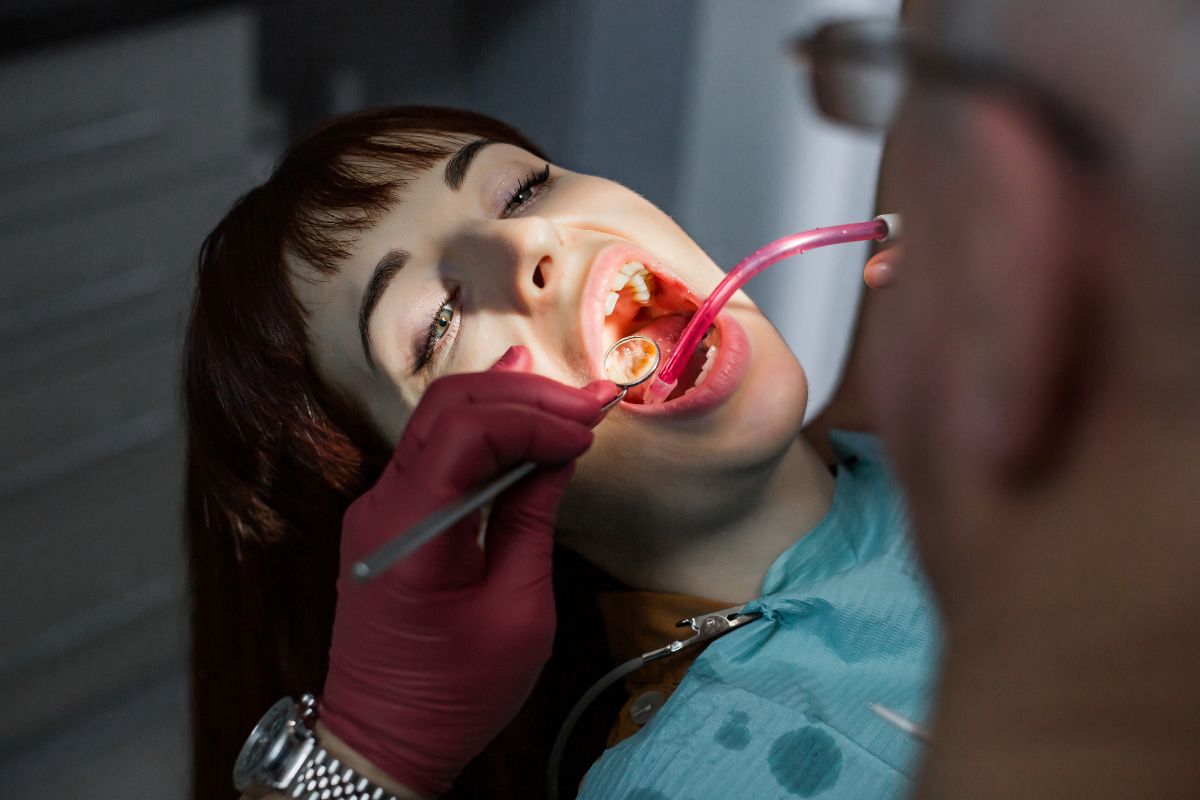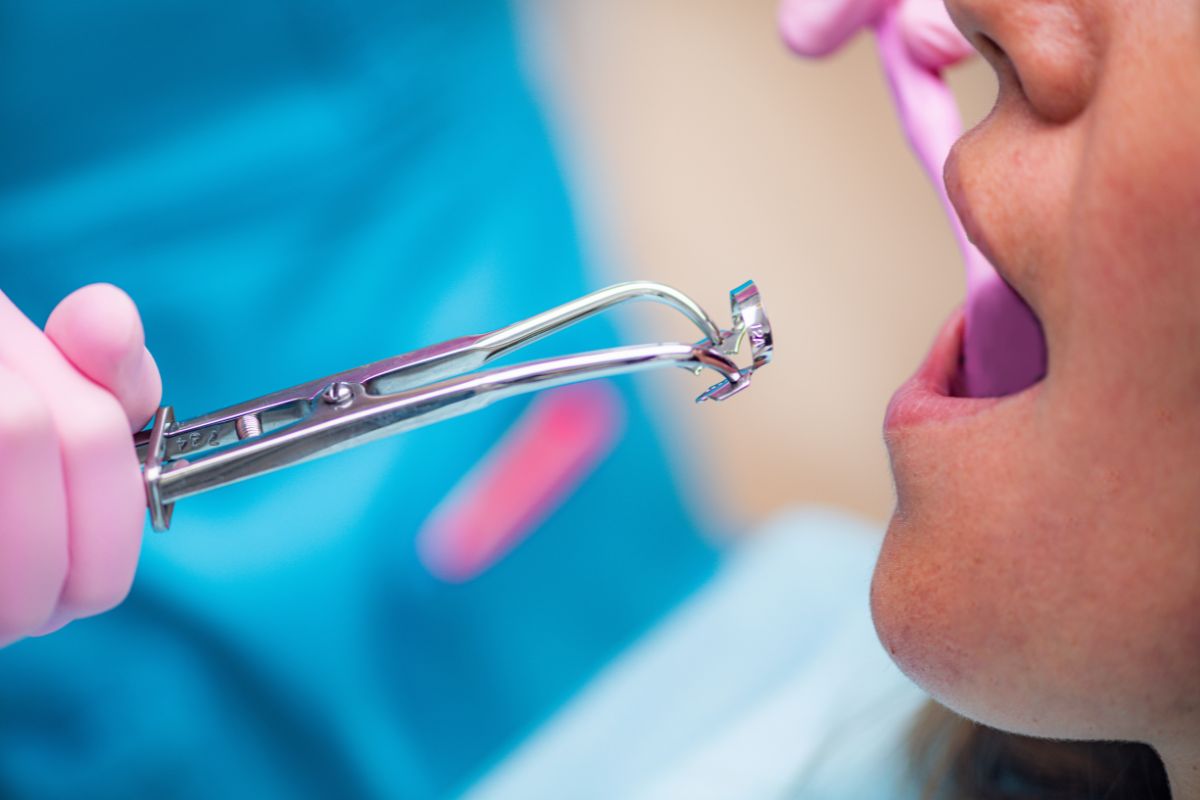
Having a tooth removed can bring relief from pain and discomfort, but what happens after the procedure is just as important as the extraction itself. Many people focus only on the treatment and overlook the healing process, which plays a major role in recovery.
The tooth extraction process does not end once the tooth is removed. Proper aftercare helps your mouth heal comfortably, lowers the risk of complications, and supports your overall oral health. Simple habits during recovery can make a big difference in how quickly and smoothly you heal.
Let’s take a closer look at why aftercare matters and what steps can help you recover successfully.
Why Proper Aftercare Matters?
After a tooth extraction, your mouth needs time to heal. The area where the tooth was removed forms a blood clot that protects the bone and nerves underneath. If that clot becomes disturbed too soon, healing may slow down, and discomfort can increase.
Good aftercare helps:
- Reduce swelling and discomfort
- Prevent infection
- Protect the healing area
- Support faster recovery
- Lower the chances of dry socket
Taking care of your mouth after an extraction can also help you return to your normal routine more comfortably.
What To Expect After A Tooth Extraction?
It is normal to experience some tenderness, swelling, or minor bleeding during the first day or two. These symptoms usually improve gradually as the area heals.
Most people recover within a few days, although complete healing may take longer depending on the extraction and overall oral health.
Important Aftercare Tips To Follow
Rest And Take It Easy
Your body heals best when it gets enough rest. Avoid strenuous activity during the first 24 hours after the extraction to help prevent bleeding and discomfort.
Keep The Blood Clot Protected
The blood clot is an important part of healing. Avoid using straws, spitting forcefully, or smoking because these actions can dislodge the clot.
Use Ice Packs For Swelling
Applying an ice pack on the outside of your cheek can help reduce swelling and ease discomfort during the first day after the procedure.
Choose Soft Foods
Stick to soft foods like yogurt, soup, mashed potatoes, or smoothies while your mouth heals. Avoid crunchy or spicy foods that may irritate the area.
Keep Your Mouth Clean Carefully
Good oral hygiene is still important after an extraction. Gently rinse your mouth with warm salt water after the first 24 hours to keep the area clean without disturbing healing.
Take Medications As Directed
If medication is recommended, follow instructions carefully. This can help manage discomfort and reduce the risk of infection.
Signs You Should Not Ignore
While mild discomfort is normal, certain symptoms may need attention. Reach out if you notice:
- Severe or worsening pain
- Heavy bleeding that does not stop
- Swelling that gets worse after several days
- Fever or signs of infection
- Difficulty swallowing or breathing
Getting help early can prevent more serious problems later.
Healing Takes Patience
Everyone heals differently, so it is important to give your body the time it needs. Trying to rush recovery or ignoring aftercare instructions may lead to unnecessary discomfort and longer healing times.
If you ever feel unsure about your recovery, it is always better to ask questions and get guidance.
Contact us if you have concerns about healing or need support after your procedure. Proper care and attention can make recovery easier and more comfortable.
Supporting A Smooth Recovery After Tooth Extraction
Recovering from a tooth extraction becomes much easier when you follow the right aftercare habits. Protecting the healing area, eating soft foods, and maintaining gentle oral hygiene can all help reduce discomfort and support recovery.
For patients looking for guidance during the healing phase of the tooth extraction process, visiting a trusted dental office for follow-up care and support can help ensure recovery stays on the right track.
Heal Comfortably And Safely
Healing after a tooth extraction takes proper care, patience, and attention to your oral health needs. At Gila Ridge Dental, we are committed to helping patients recover comfortably and confidently after dental procedures. If you are looking for caring support from a trusted dental office in Yuma, visit us and let our team help you protect your smile throughout the healing process.
Frequently Asked Questions
How long should I wait before brushing near the extraction area?
It is usually best to avoid brushing directly near the area for the first day and then clean gently afterward.
Can I sleep normally after a tooth extraction?
Sleeping with your head slightly elevated during the first night may help reduce swelling and bleeding.
Is it normal to feel tired after an extraction?
Yes, your body uses energy to heal, so mild tiredness can be normal during recovery.
When can I start eating regular foods again?
Most people gradually return to regular foods once tenderness improves and chewing feels comfortable.
Can stress affect the healing process after a tooth extraction?
Stress may affect how your body heals, so getting enough rest and staying relaxed can support recovery.