Most people sit down in the dental chair thinking one thing: I just need my teeth cleaned. But a routine dental exam is doing a lot more than that. Your mouth holds clues about what is happening throughout your entire body, and a trained dentist can often spot problems that have nothing to do with your teeth.
At Gila Ridge Dental, we believe that a dental exam is one of the most underestimated health checkups you can have. Every patient who comes through our doors gets more than a surface-level look. Our team takes the time to examine your gums, soft tissues, jaw, and bite because what we see in your mouth can tell us a great deal about your overall health.
We see this connection play out regularly in our practice. From early signs of diabetes to indicators of heart disease risk, your mouth speaks before many other parts of your body do. Understanding that connection is what this blog is about and why skipping your dental exam is never really just about your teeth.
What Is Actually Happening During Your Dental Exam?
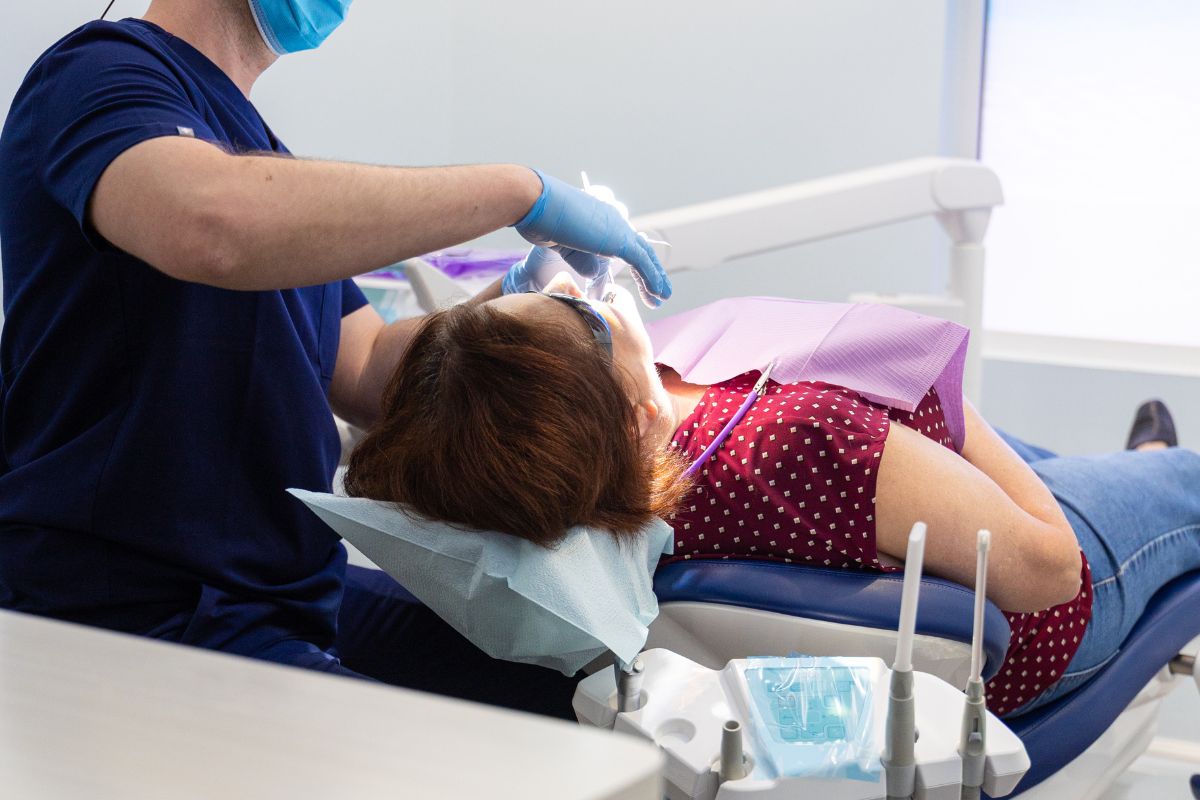
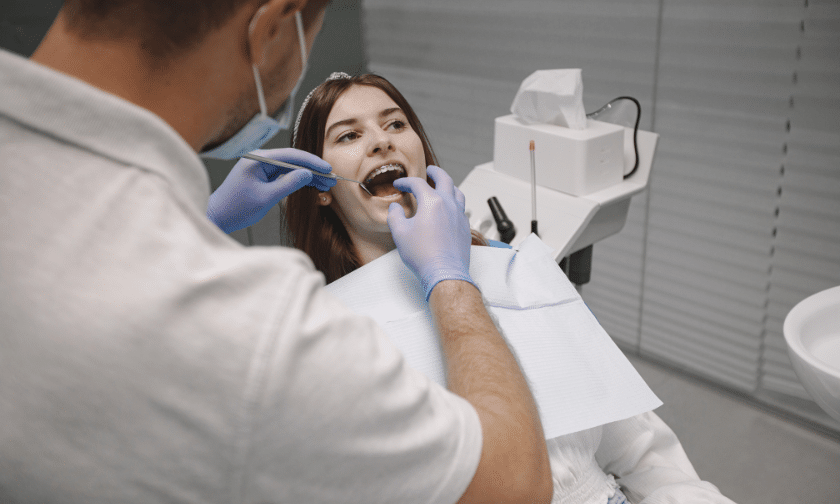
Many patients assume a dental visit means a cleaning and maybe a few X-rays. What most people do not realize is that a comprehensive dental exam involves a full assessment of your oral tissues, not just your teeth.
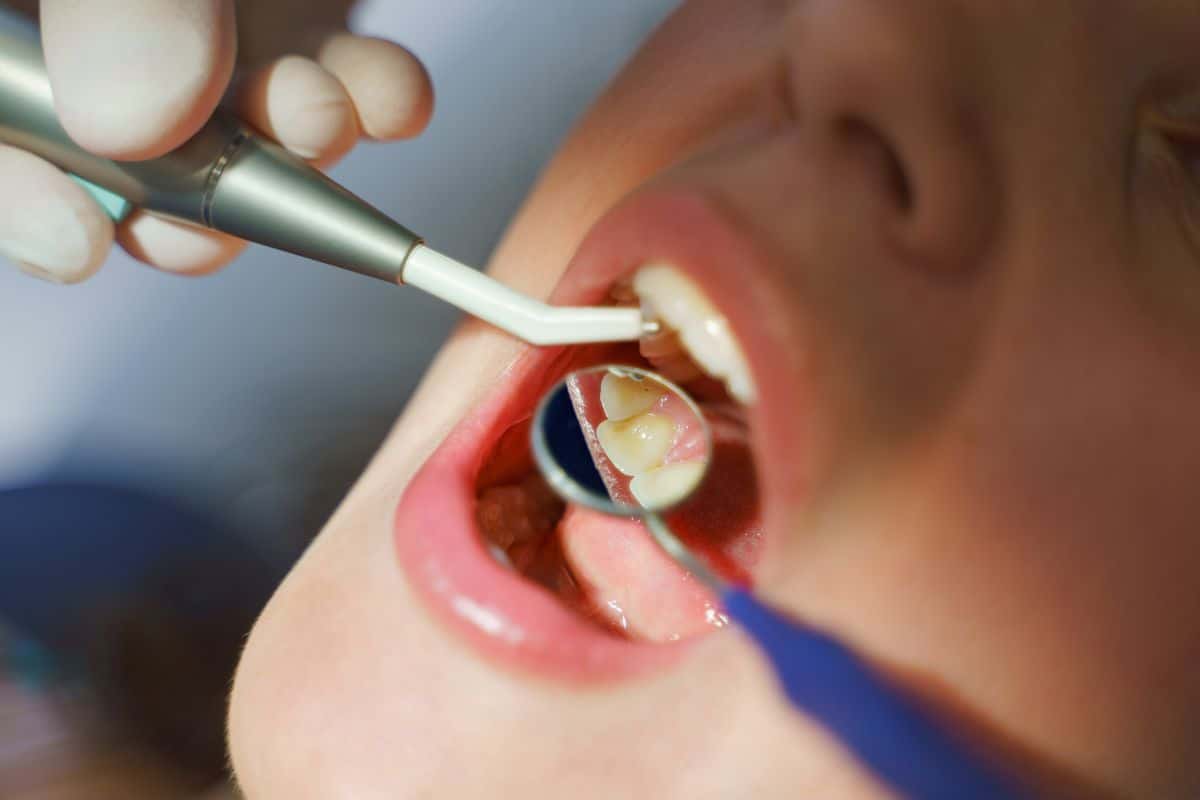
During a routine exam, your dentist is evaluating:
- Gum tissue health checking for inflammation, recession, or bleeding that may point to infection or systemic disease
- Soft tissue in the mouth, the tongue, cheeks, and throat, is checked for anything unusual that should not be there
- Your bite and jaw alignment, which can affect everything from headaches to sleep quality
- Bone levels in the jaw are visible on X-rays, and these can signal early osteoporosis long before it shows up elsewhere in the body
- Enamel wear patterns, which can reflect acid reflux, dietary habits, or nighttime grinding connected to stress or sleep disorders
None of that is strictly about your teeth. It is a health assessment.
The Connection Between Your Mouth and the Rest of Your Body
Here is something that surprises many patients: the bacteria in your mouth do not stay there.
When gum disease develops, even in its early stages, bacteria can enter your bloodstream through inflamed gum tissue. Once in the bloodstream, those bacteria can contribute to inflammation throughout the body. That inflammation has been connected through a growing body of research to serious conditions, including heart disease, stroke, and complications with blood sugar regulation.
The connection works in both directions. People living with diabetes, for example, are more prone to gum disease because elevated blood sugar creates an environment where bacteria thrive. But the relationship does not stop there. Untreated gum disease can also make it harder to control blood sugar, creating a cycle that affects both oral and overall health.
This is not about alarming anyone. It is about understanding that your mouth is not separate from the rest of your body; it is part of it.
Conditions Your Dentist May Spot First
Many serious health conditions leave early signs in the mouth before a patient notices anything wrong elsewhere. This is one of the most important reasons to keep up with regular dental exams.
Diabetes
One of the earliest signs of uncontrolled or undiagnosed diabetes is persistent gum disease that does not respond well to treatment. Dry mouth and slow-healing sores are also common early indicators. Dentists who see patients regularly are often the first to notice these patterns and prompt patients to follow up with their physician.
Heart Disease Risk
Research has consistently shown a link between periodontal (gum) disease and cardiovascular disease. While the exact mechanism is still being studied, chronic oral infection and inflammation appear to play a role in the buildup of arterial plaque. A healthy mouth may genuinely be part of a heart-healthy lifestyle.
Osteoporosis
Bone loss in the jaw, which shows up on dental X-rays, can be an early sign of osteoporosis, especially in women over 50. Dentists can identify this pattern and recommend further evaluation before the condition progresses.
Acid Reflux and GERD
Patients with acid reflux often do not realize it until a dentist notices enamel erosion on the backs of the upper teeth, a telltale sign that stomach acid is reaching the mouth, sometimes during sleep. Identifying this early can help protect both dental health and digestive health.
Oral Cancer
Every dental exam should include an oral cancer screening. This means your dentist is checking the lips, tongue, throat, cheeks, and floor of the mouth for any tissue changes that could signal a problem. Oral cancer is highly treatable when caught early and can be life-threatening when missed. This alone is a compelling reason to never skip an exam.
Gum Disease: What It Can Worsen Beyond Your Mouth
Once gum disease develops, it does not exist in isolation. Active periodontal disease has been associated with a range of systemic health concerns that go well beyond the gumline.
Respiratory Health: Bacteria from infected gum tissue can be inhaled into the lungs, which can lead to respiratory infections, including pneumonia. For patients who already have breathing concerns, this is worth taking seriously.
Pregnancy Complications: Studies have found that pregnant women with untreated gum disease have a higher risk of preterm birth and low birth weight. Dental exams during pregnancy are not just safe; they are recommended. Hormonal changes during pregnancy can also accelerate gum inflammation, making professional monitoring even more important.
Cognitive Health: Emerging research has begun to explore a possible link between chronic gum disease and cognitive decline. While this area of research is still developing, it adds to the growing picture of oral health as a meaningful factor in long-term wellness.
What We Do at Every Exam at Our Central Yuma Dental Office
At our Central Yuma dental office, every patient who comes in for a routine exam gets a thorough evaluation, not a rushed checkup. Our dentists, Dr. Stephen Garner, Dr. Thor G. Thorson, and Dr. Cecelia Nguyen, approach every exam with the understanding that what they find in the mouth can have real meaning for a patient’s broader health picture.
That means taking the time to ask the right questions. If a patient mentions fatigue, frequent thirst, or recent weight changes, those details matter in the context of what we see in the mouth. If we notice tissue changes, unusual bleeding, or bone density concerns on X-rays, we do not brush past them; we talk to the patient, explain what we see, and make sure they have the information they need.
We also make a point of coordinating with patients’ other healthcare providers when appropriate. Your dentist and your primary care physician should be on the same page when it comes to your health. To schedule an appointment or ask a question, call us at 928-249-3673
What Our Patients Say?
This was an extremely pleasant dental experience and I am quite critical! The welcoming front desk, X-ray techs and Dr. Garner were all friendly, professional and knowledgeable. Dr. Garner was engaging and provided a thorough exam, addressing all of my concerns. And…..Jessica, the hygienist, was incredible. Definitely the best cleaning ever!!–JB
Discover what our patients have to say. Explore our Google reviews and see why so many families trust us with their smiles.
How Often Should You Actually Come In?
The standard recommendation is a dental exam and cleaning every six months. For most healthy adults, this is enough to catch problems early and keep gum disease from taking hold.
That said, some patients benefit from more frequent visits. If you have a history of gum disease, use tobacco, live with diabetes, have a weakened immune system, or are pregnant, your dentist may recommend coming in every three to four months instead.
The “every six months” rule is a floor, not a ceiling. Your individual health history should guide the schedule.
If you have not been in for a while, do not let that stop you. Our team does not judge how long it has been. We focus on where you are now and how to help you move forward.
Why Putting Off Your Exam Costs More Than Just Your Health?
One thing that comes up regularly with patients who have delayed care is the assumption that waiting saves money. In most cases, it is the opposite.
A cavity caught at its earliest stage needs a small filling. Left alone, it deepens and may require a crown or a root canal. Gum disease caught in the gingivitis stage is reversible with a professional cleaning and improved home care. Advanced periodontal disease requires deep cleaning procedures, prescription medications, and sometimes surgery.
Early dental care is almost always less expensive than delayed dental care. The same is true for your overall health conditions: those identified early are generally easier and less costly to manage than those that have had time to progress.
Taking Care of Your Overall Health Starts Here
Your mouth is a starting point, not a separate system. A dental exam that looks only at your teeth is leaving a lot of important information on the table. Our goal is to give you a complete picture of what is happening, help you understand it, and support your health at every visit.
Whether you are due for a routine checkup, have not been in for longer than you would like to admit, or simply want to understand more about how your oral health connects to the rest of your body, we are here to help.
For patients in the Yuma, AZ, area looking for a dental team that takes a thorough, whole-health approach to care, we are ready to see you. Request an appointment with us today and take a step that benefits your smile and your health at the same time.
Along with our Central Yuma practice, we also serve patients at our West Yuma office and Foothills office, so quality, attentive dental care is always close to home.