If you have ever woken up with a small, painful sore on your gum that makes eating, drinking, or even talking feel uncomfortable, you are not alone. Canker sores are one of the most common oral complaints people deal with, yet many are unsure what causes them or what to do about them. The good news is that with a little knowledge and the right care, you can manage them and even reduce how often they show up.
At Gila Ridge Dental, Dr. Stephen Garner and our team regularly see patients who are frustrated by recurring canker sores. Whether it is your first one or your tenth, seeing a professional dentist makes a real difference in understanding what is triggering your sores and how to keep your mouth feeling its best.
What Exactly Is a Canker Sore?
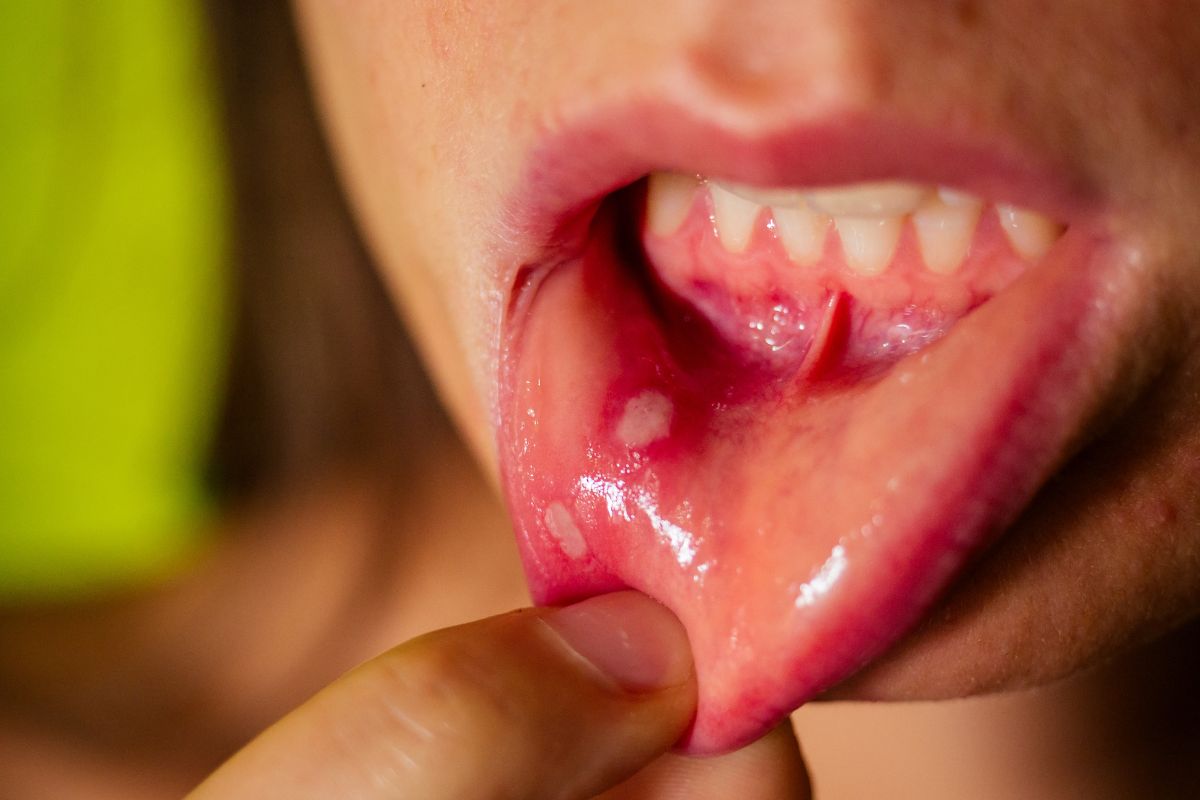
A canker sore, medically known as an aphthous ulcer, is a small, shallow wound that forms inside your mouth, including on your gums, the inside of your cheeks, under your tongue, or on the soft palate. They are usually round or oval with a white or yellowish center and a red border.
Here is something worth knowing right away: canker sores are not the same as cold sores. Cold sores appear on the outside of the lips and are caused by the herpes simplex virus. Canker sores form inside the mouth and are not contagious. You cannot pass one to someone else through a kiss or shared food.
They can range from mildly annoying to quite painful, especially when they sit on your gum line, where your teeth and food constantly come into contact.
Common Causes of Canker Sores on Gums
There is rarely one single reason a canker sore appears. More often, it is a combination of factors. Here are the most common causes:
1. Minor Injuries or Irritation
This is probably the most frequent trigger. Accidentally biting the inside of your cheek, brushing too hard, or getting poked by a sharp food, like a chip or pretzel, can create a small wound in your gum tissue that can develop into a canker sore. Ill-fitting dentures or braces can also cause repeated friction against the gums, making sores more likely.
2. Acidic or Spicy Foods
Citrus fruits, tomatoes, strawberries, pineapple, and spicy dishes are well-known triggers for many people. The acids in these foods can irritate the sensitive lining of your mouth, especially if your gums are already slightly inflamed or sensitive.
3. Stress and Lack of Sleep
This one surprises a lot of people, but emotional stress has a real, measurable effect on your immune system, and your mouth is one of the first places that shows it. People often notice canker sores flaring up during particularly busy or stressful periods in their lives.
4. Hormonal Changes
Some people, especially women, notice canker sores appearing at certain points in their menstrual cycle. Hormonal shifts during pregnancy or menopause can also make the gum tissue more reactive and prone to sores.
5. Nutritional Deficiencies
Low levels of certain vitamins and minerals, particularly vitamin B12, iron, zinc, and folate, have been linked to recurring canker sores. If your sores keep coming back without an obvious trigger, it may be worth discussing a blood test with your doctor.
6. Sodium Lauryl Sulfate (SLS) in Toothpaste
This foaming agent, found in many commercial toothpastes, can irritate the mucous membrane lining of the mouth in some people. Switching to an SLS-free toothpaste has helped many patients reduce how often they get canker sores.
7. Underlying Health Conditions
In some cases, frequent or unusually large canker sores can be associated with conditions such as celiac disease, inflammatory bowel disease, or a compromised immune system. If your sores are happening very often, are unusually large, or are not healing, that is worth a conversation with your dentist and doctor.
Signs You Might Have a Canker Sore
Canker sores tend to announce themselves fairly clearly. Here is what to watch for:
- A tingling or burning sensation in your gum before the sore appears
- A small, round, or oval ulcer with a white or gray center
- A red, inflamed border around the sore
- Pain that gets worse when you eat, drink, or brush your teeth
- Occasionally, swollen lymph nodes or a mild fever with more severe sores
Most canker sores fall into the “minor” category, meaning they are small (under a centimeter) and heal on their own. Major canker sores are larger, deeper, and may leave a small scar. These are less common but significantly more painful.
How Long Do Canker Sores Last?
Minor canker sores typically heal on their own within one to two weeks. You do not always need treatment, though the right steps can ease the pain while they heal.
Major canker sores can take up to 6 weeks to heal and may require treatment. If you have a sore that has not improved after two weeks, is getting larger, or keeps recurring in the same spot, that is a sign to get it checked out.
Dealing With Canker Sore Pain? We Can Help.
You do not have to tough it out on your own. If canker sores are becoming a regular problem or are making your daily life uncomfortable, our dental team is here to help. Contact us today to schedule a visit and get the relief and answers you need.
How to Prevent Canker Sores from Coming Back?
If canker sores are a regular visitor in your life, a few consistent habits can make a meaningful difference:
Watch what you eat – Keep a simple food diary to spot patterns. If your sores tend to appear after eating acidic or spicy foods, cutting back on those triggers can reduce how often they show up.
Brush gently with a soft-bristled toothbrush- Aggressive brushing is one of the most common ways people unintentionally irritate their gum tissue. A soft brush and gentle technique protect your gums without causing micro-abrasions.
Switch to an SLS-free toothpaste – If you suspect your toothpaste might be playing a role, look for brands that specifically list “SLS-free” on the packaging.
Manage stress- This is easier said than done, but even small habits like regular sleep, short walks, or a few minutes of deep breathing each day can help regulate your immune response.
Eat a balanced diet – Focus on getting enough B vitamins, iron, and zinc through leafy greens, lean proteins, beans, nuts, and whole grains.
Stay on top of your dental visits- Regular checkups allow your dentist to spot patterns, identify whether your sores might be linked to dental work or gum issues, and recommend targeted treatments.
When Should You See a Dentist About Canker Sores?
Most of the time, a canker sore is a minor inconvenience. But there are situations where you should not wait it out:
- The sore is unusually large (bigger than a centimeter)
- It has not started healing after two weeks
- You are getting three or more sores at the same time
- The sores are spreading or getting worse
- You have a high fever alongside the sores
- Sores keep appearing in the same spot repeatedly
Recurring sores in the same location can sometimes be a sign of something that needs closer attention, from a sharp tooth edge to a more systemic issue. Getting it checked by a skilled dentist who understands the full picture of your oral health gives you peace of mind and a clear path forward.
Keeping Your Mouth Comfortable and Healthy With Us!
Canker sores can be genuinely painful and disruptive, but they do not have to be a constant part of your life. With a better understanding of what triggers them, a few simple prevention habits, and the right care when they do appear, you can take real control of your oral comfort.
At our dental practice, our dentists and caring team are committed to helping every patient in Yuma and the surrounding areas feel confident and comfortable on their oral health journey. Whether you are dealing with recurring canker sores, gum sensitivity, or are just due for a checkup, we are here to help.
You can schedule your appointment with Gila Ridge Dental in Central Yuma, book a visit at Gila Ridge Dental in the Foothills, or make an appointment at Gila Ridge Dental in West Yuma, whichever location works best for you. No matter where you come in, our team is ready to help you find relief, understand your triggers, and keep your smile healthy and comfortable all year long.
FAQs About Canker Sores
Can canker sores be a sign of oral cancer?
Canker sores and oral cancer can look similar to the untrained eye, which is why it is worth having any sore that does not heal within two weeks examined by a dentist. Canker sores are benign and heal on their own; oral cancer lesions typically do not. Regular dental checkups include an oral cancer screening, which is one more reason to stay consistent with your visits.
Is it safe to pop or scrape a canker sore to make it heal faster?
No, please do not do this. Popping or scraping a canker sore can introduce bacteria into the wound, increase the risk of infection, and make the pain significantly worse. The best approach is to leave the sore alone and support its natural healing with gentle rinses and soft foods.
Can children get canker sores on their gums, too?
Yes, children can absolutely develop canker sores, and they can be especially uncomfortable for little ones who do not fully understand what is happening. If your child gets frequent canker sores, it is a good idea to bring it up at their next dental visit so the dentist can check for possible causes like nutritional deficiencies or an oral irritant.
Does drinking coffee or tea make canker sores worse?
It depends on the person. Hot beverages can irritate an existing canker sore and slow healing. Coffee is also mildly acidic, which may bother sensitive gum tissue. If you notice that your morning coffee makes your sore flare up, try letting it cool a bit before drinking or switching to lukewarm herbal tea temporarily while the sore heals.
Can my toothbrush spread bacteria and make canker sores worse?
An old or worn toothbrush can harbor bacteria and potentially slow the healing of a canker sore. It is a good practice to replace your toothbrush every three months, and if you have been dealing with a persistent sore, switching to a fresh brush and rinsing it thoroughly after each use is a simple, helpful step.