Losing one tooth is already a big deal, but losing two right next to each other? That raises a whole new set of questions. One of the most common ones we hear is: “Can I get two implants placed side by side?”
The short answer is yes, and it is actually more common than most people think. Two adjacent dental implants are a well-established solution for permanent tooth replacement when neighboring teeth are both missing. That said, not every situation is the same. There are a few important factors your dentist will need to look at before recommending this approach.
In this guide, we will walk you through how adjacent implants work, what makes someone a good candidate, and what the process looks like from start to finish.
Why Would Someone Need Two Implants Next to Each Other?
Teeth do not always go missing one at a time. In fact, neighboring teeth are often lost together for a handful of reasons:
- Gum disease that has spread across a section of the mouth
- Tooth decay that was left untreated and reached multiple teeth
- Injuries or accidents that knocked out more than one tooth
- Old dental work (like a bridge or crown) that failed and caused surrounding teeth to weaken
When two side-by-side teeth go missing, the gap it leaves behind does more than change the look of your smile. Over time, nearby teeth can start to drift toward that empty space, your bite can shift, and the jawbone in that area can begin to shrink, a process called bone resorption. Replacing both teeth sooner rather than later helps protect the rest of your mouth.
So, Is It Actually Possible to Place Two Implants Next to Each Other?
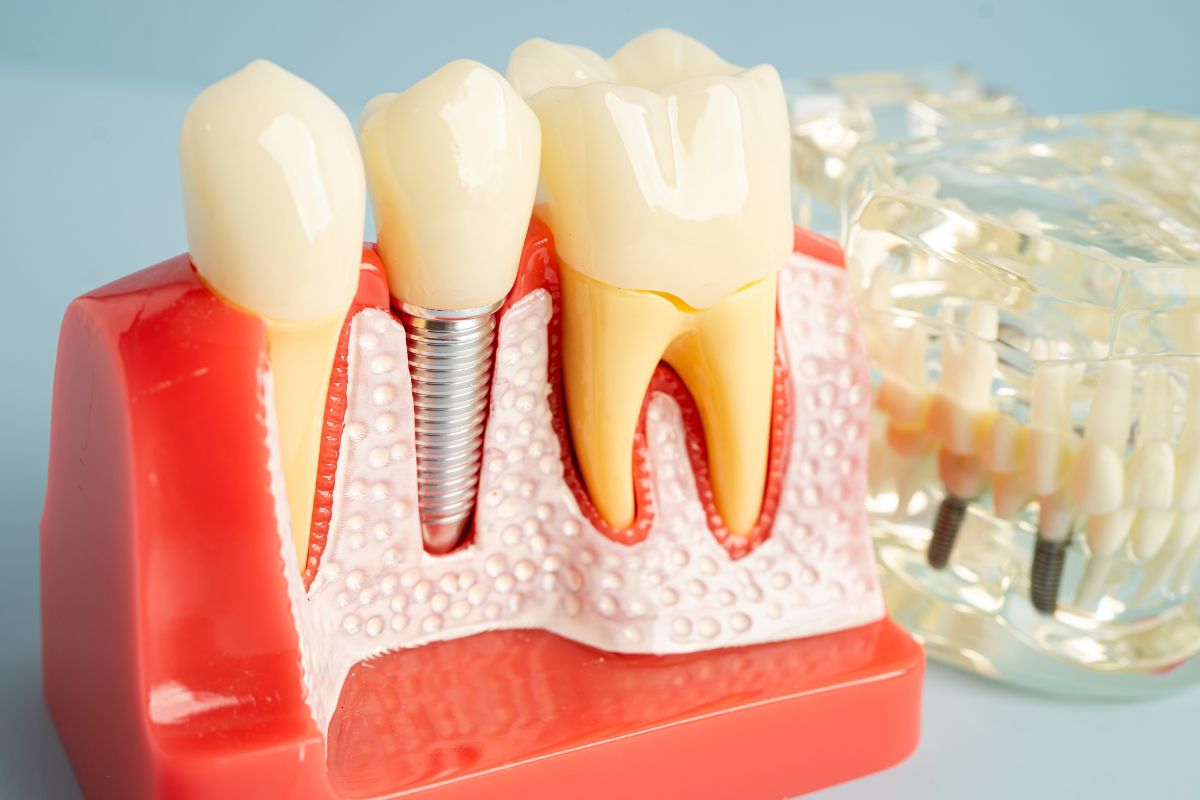
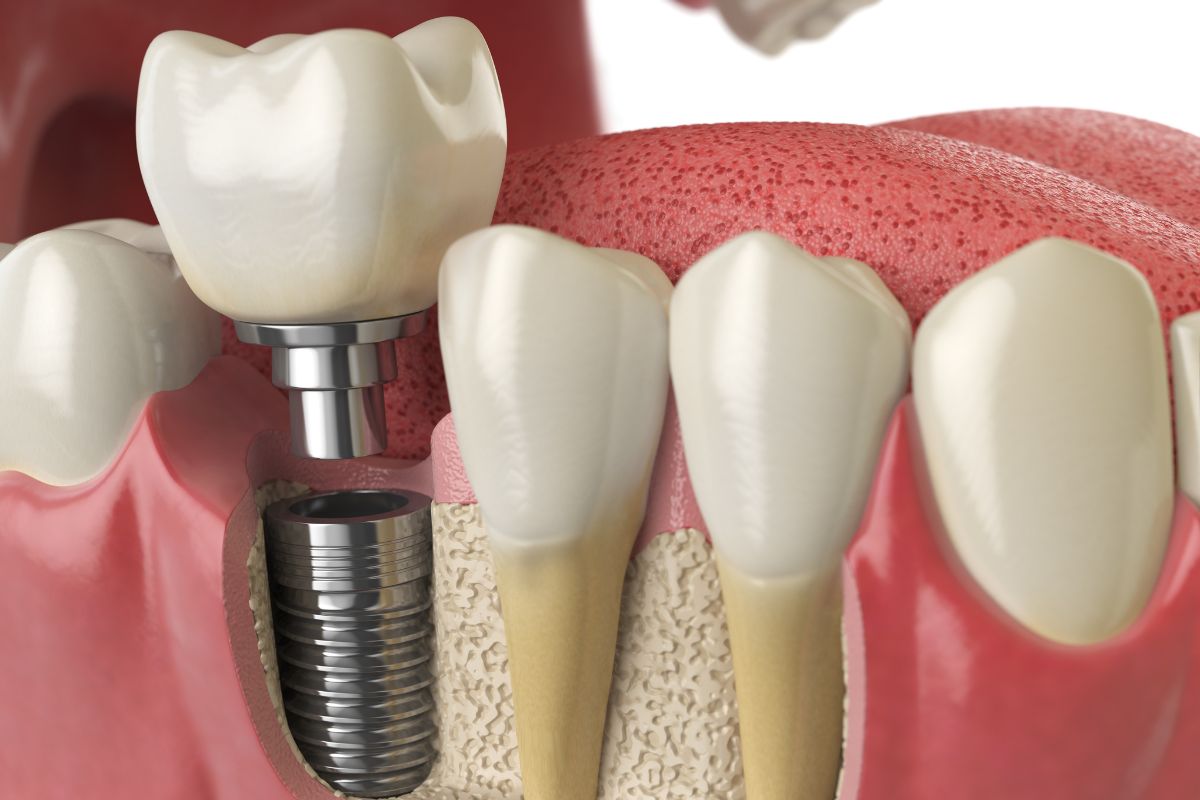
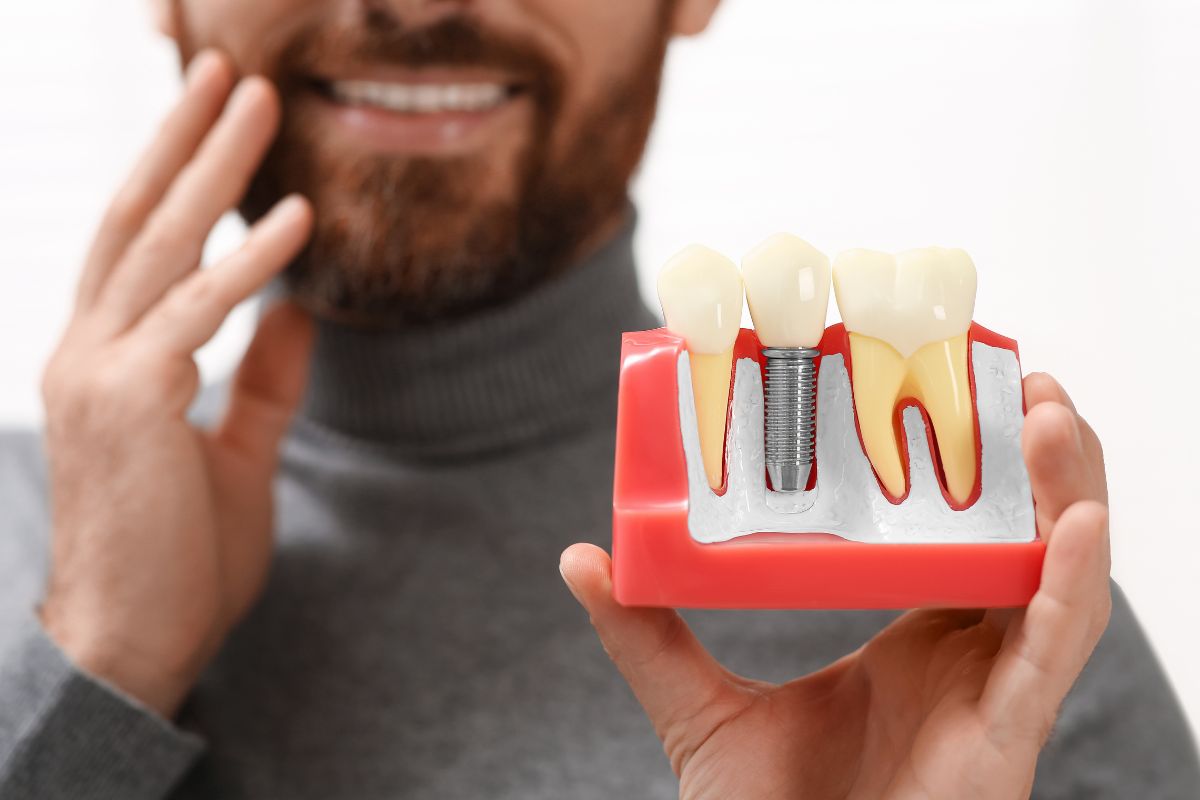
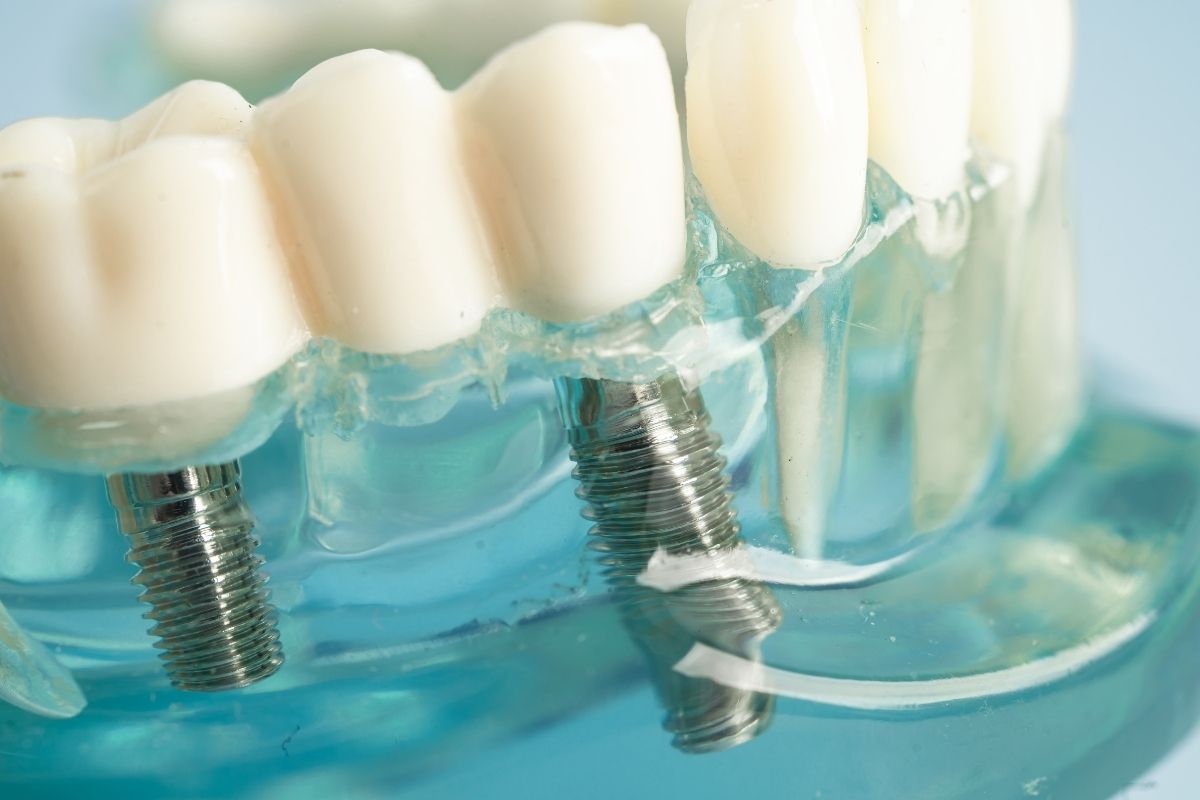
Yes, absolutely. Each implant is placed independently into the jawbone, one for each missing tooth. Each serves as an individual artificial root, and once they have healed and bonded with the bone (a process called osseointegration), a crown is attached to each. The result looks and functions like two separate natural teeth.
The key factor here is not whether it can be done; it usually can, but whether your mouth is in the right condition to support it. That is where your dentist’s evaluation comes in.
What Does Your Dentist Check Before Placing Two Adjacent Implants?
Before any implant goes in, your dental team will want to take a close look at a few things:
1. Bone Volume and Density
The jawbone needs to be thick and strong enough to hold two implants. If there has been bone loss in that area (which often happens after a tooth has been missing for a while), a bone graft may be needed first to build that foundation back up. This is completely routine.
2. Spacing Between Implants
There needs to be enough room between the two implants, typically at least 3 millimeters, so that the bone and gum tissue between them stay healthy. If the implants are placed too close together, it can lead to bone loss and make healing more difficult. Your dentist will use digital imaging to map out exactly where each implant should go.
3. Spacing from Natural Teeth
The implants also need to maintain a safe distance from any teeth that are still in place. Generally, at least 1.5 to 2 millimeters of space should be left between an implant and a neighboring natural tooth.
4. Gum Health
Healthy gums are essential for implant success. If there are signs of gum disease, that will need to be treated and resolved before implants can be placed. Gum disease left untreated can cause the implants to fail.
5. Your Overall Health
Certain health conditions, like uncontrolled diabetes, osteoporosis, or a history of radiation therapy to the jaw, can affect how well implants heal. Your dentist will review your medical history as part of the planning process.
Two Implants vs. a Dental Bridge: What Is the Difference?
This is a question that comes up a lot, and it is worth understanding both options clearly.
A dental bridge uses the two teeth on either side of the gap as anchors. Those healthy teeth are filed down to support the bridge, which means removing good tooth structure just to fill a space. A bridge also sits on top of the gum, meaning the jawbone beneath is not being stimulated and may continue to shrink over time.
Two individual implants, on the other hand, each go directly into the jawbone. This stimulates the bone the way natural tooth roots do, helping prevent the bone loss that comes with missing teeth. You also do not need to touch the surrounding healthy teeth at all. Each implant is cleaned and maintained just like a natural tooth, with regular brushing, flossing, and dental checkups.
For most people who qualify, two individual implants are typically the stronger, longer-lasting option.
What Does the Process Look Like?
Here is a simple overview of what to expect if you move forward with two adjacent implants:
Step 1 – Consultation and Imaging: Your dentist takes X-rays or 3D scans to assess your bone structure, gum health, and available space. A full treatment plan is created based on what your mouth needs.
Step 2 – Any Preparatory Work: If bone grafting or gum treatment is needed, this step comes first. Some patients skip this entirely; others need a few months for the graft to heal before proceeding.
Step 3 – Implant Placement: Two titanium posts are placed into the jawbone in a single surgical procedure. Local anesthesia is used, so you should feel minimal discomfort during the procedure. Sedation options are often available if you feel nervous.
Step 4 – Healing Period (Osseointegration): This is the waiting period where the implants fuse with the bone. It typically takes anywhere from three to six months. During this time, temporary restorations can often be placed so you are not left with a visible gap.
Step 5 – Abutments and Crowns: Once the implants have fully integrated, small connector pieces called abutments are attached. Then the permanent crowns, custom-made to match your natural teeth in shape and color, are placed on top.
Ready to Explore Your Options? We Are Here to Help.
If you are missing two teeth and wondering what your best path forward looks like, the right thing to do is to sit down with a dentist who can assess your specific situation. Every mouth is different, and there is no one-size-fits-all answer.
Contact Gila Ridge Dental to schedule a consultation. We will review your imaging, walk you through your options, whether that is two implants, a bridge, or something else entirely, and help you make a confident, informed decision for your smile.
How Long Do Two Adjacent Implants Actually Last?
This is one of the things that makes implants stand out from other tooth replacement options. The titanium post that goes into the jawbone can last a lifetime with proper care. The porcelain or zirconia crown that sits on top typically lasts 10 to 15 years before it may need to be replaced due to normal wear.
Compare that to a traditional bridge, which typically lasts 10 to 15 years before it needs to be replaced entirely, and may require adjustment or replacement sooner depending on the health of the supporting teeth.
Caring for adjacent implants is simple. Brush twice a day, floss daily (special floss threaders and water flossers make this easy around implants), and come in for regular cleanings and checkups.
Are There Any Risks to Know About?
Adjacent implants are safe and effective for the vast majority of patients who are good candidates. That said, like any surgical procedure, there are some things to be aware of:
- Implant failure is rare but can happen, usually as a result of insufficient bone, infection, or certain medical conditions. This is why the pre-treatment evaluation matters so much.
- Infection at the implant site is possible if oral hygiene is not maintained during the healing period.
- Nerve or tissue sensitivity around the area is common in the days following surgery and typically resolves on its own.
- Placing implants too close together without proper spacing can lead to bone loss between them over time. This is why working with an experienced provider matters.
Your dentist will go over all of this with you in detail during your consultation.
Keeping Your Smile Complete and Strong
Losing two teeth side by side does not have to mean living with a gap or settling for a solution that just gets the job done. Two adjacent dental implants, when properly placed by an experienced dental team, can restore the full function and appearance of your natural smile for the long term. At our dental practice, we are committed to providing comprehensive implant care tailored to your individual needs. Whether you are considering dental implants for the first time or exploring your options after hearing about implants from a friend, we are here to guide you every step of the way from the first consultation through to your final crowns. Request an appointment with our team today. We would love to help you figure out the best path forward for your smile.
Frequently Asked Questions
Can two implants be placed on the same day, or does it have to be done in separate appointments?
In most cases, yes, both implants can be placed in a single surgical visit, meaning one healing period instead of two. The exact approach depends on your treatment plan, but same-day placement is the standard.
Will the two implants look different from each other or from my other teeth?
No. The crowns are custom-made to match the size, shape, and shade of your surrounding teeth. Most people cannot tell them apart from natural teeth at all.
Is there a minimum age requirement for getting two adjacent dental implants?
Yes, implants are generally not recommended until the jawbone has finished developing, usually around age 18 to 20. There is no upper age limit; adults of any age can be good candidates.
Can I eat normally while I am waiting for the implants to heal?
You will need to stick to softer foods during the healing period and avoid anything very hard or crunchy near the implant site. Once the crowns are placed and healing is complete, you can eat normally.
What happens if one of the two implants fails? Does the other one have to be removed, too?
Not necessarily. Each implant is independent, so a problem with one does not automatically affect the other. A failed implant can often be removed, allowed to heal, and replaced with a new one.