Blog Summary:
Dental implants are a common way to replace missing teeth, but many patients wonder if there are any risks involved. This blog explains what dental implants are, the possible risks, how often they occur, and how they can be managed. You will also learn how lifestyle, health, and proper care affect the success of implants. If you live in Yuma, Yuma West, or the Foothills, this guide will help you make a clear and confident decision.
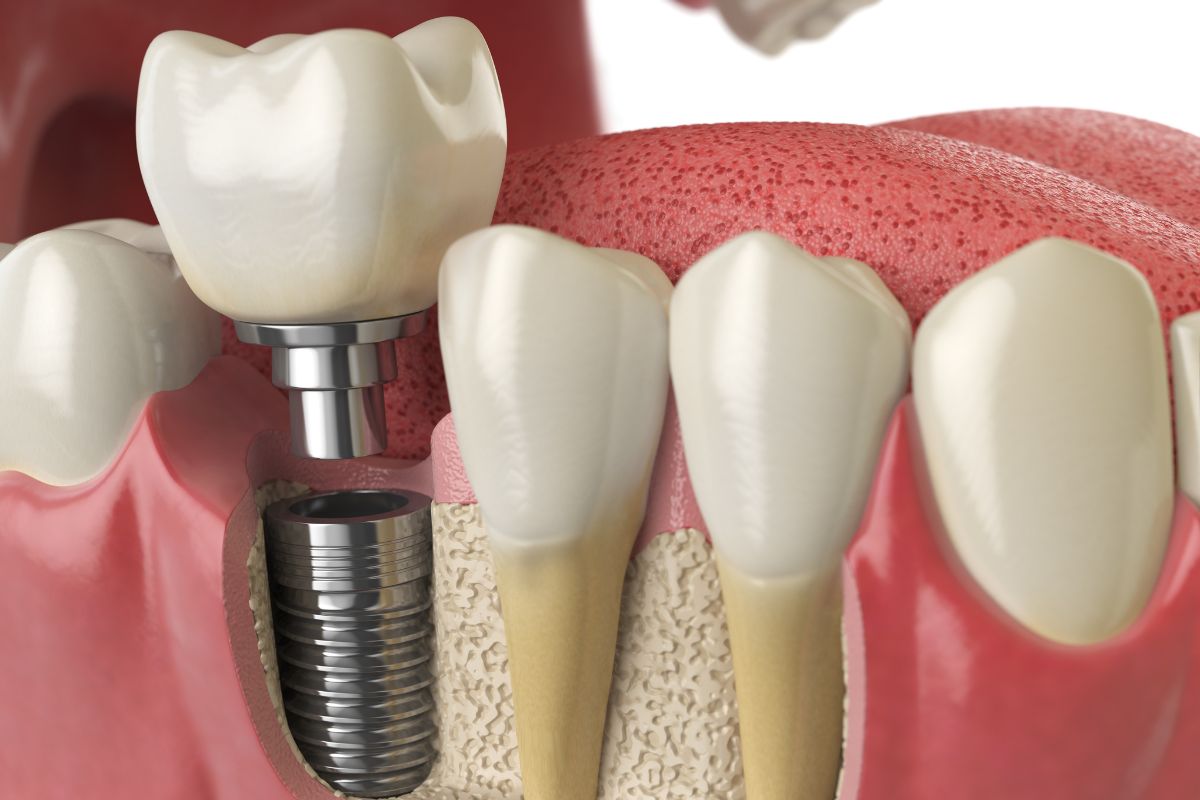
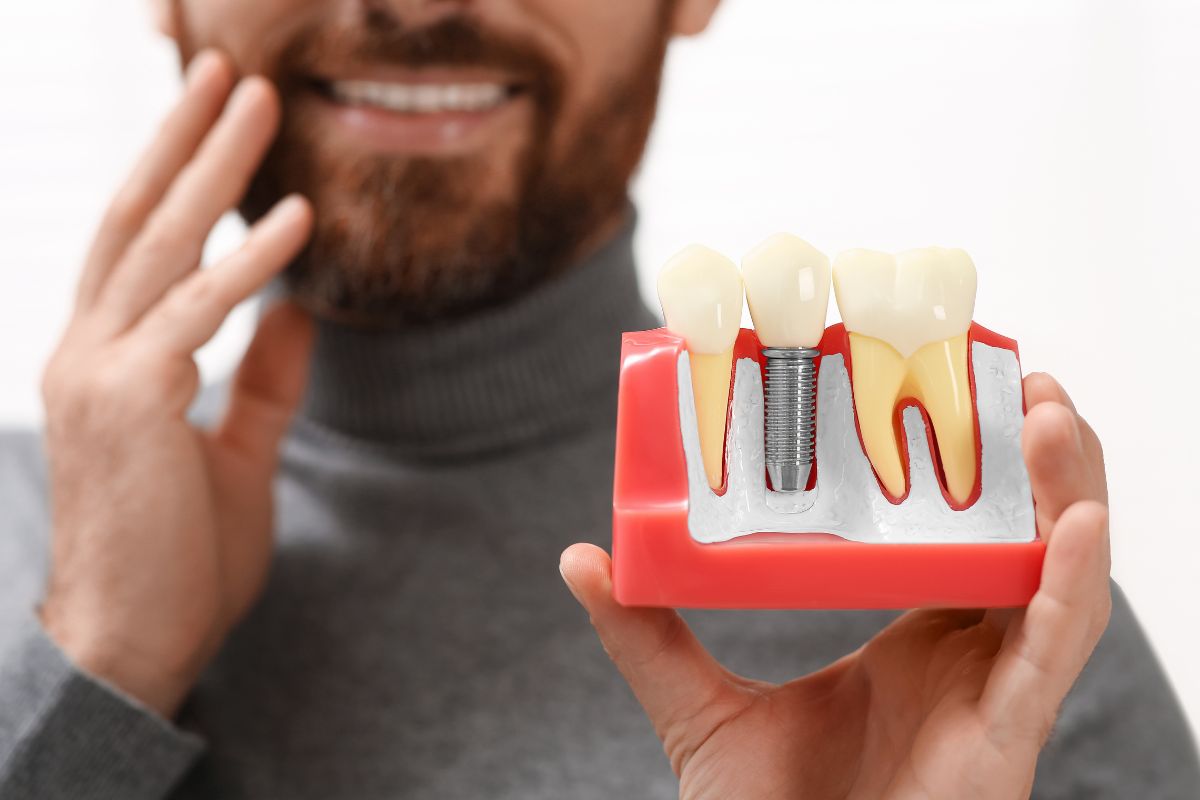
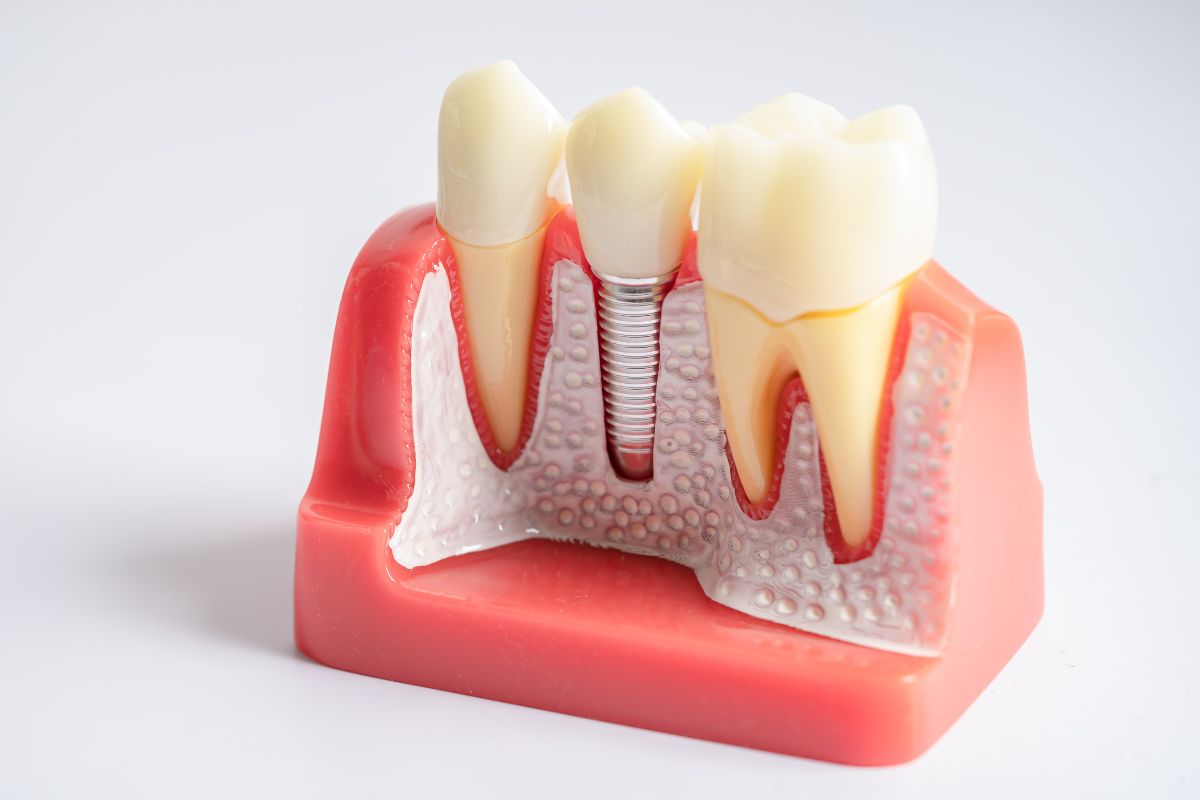
Dental implants are used to replace missing teeth by placing a small post in the jawbone that supports a crown. They are designed to look and function like natural teeth.
Many people choose implants because they feel stable and do not move like removable options. They also help maintain jaw structure, which can change when teeth are missing.
In areas like Yuma, Yuma West, and the Foothills, where people stay active and social, having a secure and natural-looking smile can make daily life more comfortable.
Ready to Smile Again? Schedule an Appointment Today!

Thanks so much for taking the time to learn more about the risks and benefits of getting treated with dental implants! We hope you feel more confident about making a decision for your oral health next time you stop by our Yuma, Yuma West, or Foothills locations. Your consultation is always personalized, so why wait? Dr. Stephen Garner, Dr. Thor G. Thorson, and Dr. Cecelia Nguyen love helping patients regain a secure, natural-looking smile, and they are ready to guide you every step of the way.
Schedule an appointment today and take the first step toward a healthier, more confident smile!
Are Dental Implants Safe for Most Patients?
For most people, dental implants are considered a reliable treatment option when planned properly.
The process has been used for many years, and success rates are high when patients follow care instructions and attend follow-up visits. However, like any medical or dental procedure, there are some risks to be aware of.
Understanding these risks does not mean avoiding treatment. It simply helps you prepare and make informed choices.
Common Risks Associated with Dental Implants
While many patients complete treatment without major concerns, some risks can occur.
Infection is one of the more common concerns. It can develop around the implant area if bacteria build up during healing. Keeping the area clean and following aftercare instructions helps reduce this risk.
Another possible issue is implant movement or failure to bond with the bone. This can happen if the bone does not heal properly around the implant.
There may also be minor swelling, discomfort, or bleeding after the procedure. These are usually temporary and improve within a few days.
Nerve sensitivity is less common but can occur if the implant is placed too close to a nerve. This is why careful planning is important before the procedure begins.
Factors That Can Increase the Risk
Not every patient has the same level of risk. Certain factors can make complications more likely.
Smoking can slow healing and affect how well the implant bonds with the bone. Health conditions such as uncontrolled diabetes may also impact recovery.
Bone density is another important factor. If there is not enough bone to support the implant, additional procedures like bone grafting may be needed.
Daily habits also play a role. Poor oral hygiene can increase the chance of infection or long-term issues around the implant.
How Dentists Reduce These Risks
Careful planning is one of the most important parts of implant treatment.
Before starting, your dentist evaluates your oral health, bone structure, and overall condition. Imaging and exams help determine the right placement and approach.
During the procedure, modern techniques are used to improve precision and reduce discomfort. After placement, patients are given clear instructions to support healing.
Regular checkups allow your dentist to monitor progress and address any concerns early.
What Recovery Usually Feels Like
Recovery from dental implants is different for each person, but most patients experience mild discomfort for a few days.
Swelling and tenderness are common at first, but they usually improve as the area heals. Following instructions, such as eating soft foods and keeping the area clean, helps speed up recovery.
For patients in Yuma and nearby areas, planning a few days of rest after the procedure can make the process easier to manage alongside daily responsibilities.
As one satisfied patient shared-
Front office was great explaining my new patient paperwork. DEntal Assistant did a X-Ray. She was friendly and efficient. Dentist evaluated the broken implant quickly and explained that he could not do the procedure but personally called in referral to a specialist who could do the procedure. Even gave me a new patient discount. Called the specialist in broken implants and I had a consultation next day. Great experience, Great dental office. SMILES! – D Slagle
Instead of just trusting us, check out our Google reviews and see what our patients have to say about their experience.
Long-Term Care and Maintenance
Once healed, dental implants need regular care just like natural teeth.
Brushing, flossing, and routine dental visits help keep the implant area healthy. Over time, neglecting care can lead to issues similar to gum disease around natural teeth.
Patients who stay consistent with oral hygiene often enjoy long-lasting results.
Worried about whether dental implants will feel and function like your natural teeth? Understanding how implants look, fit, and move can help you feel confident in your smile and make the treatment process much smoother.
What Patients in Yuma, Yuma West, and Foothills Should Know
Living in Yuma and surrounding areas often means balancing work, outdoor activities, and social life.
Dental implants are chosen by many because they fit well into an active lifestyle. They allow you to eat, speak, and smile without worrying about movement or discomfort.
Still, taking time for proper care and follow-up visits is important to protect your results.
A Careful Approach to Treatment Decisions
Choosing to move forward with implants is a personal decision that should be based on clear information.
At Gila Ridge Dental, patients are guided through each step of the process so they understand both the benefits and the possible risks. If you are thinking about getting treated with dental implants, having a clear plan and open communication can make the experience feel more manageable.
Understanding what to expect before, during, and after treatment helps patients feel more confident in their decisions.
Conclusion
Dental implants are a widely used solution for missing teeth, offering both functional and visual benefits. While there are some risks, most can be reduced with proper planning, healthy habits, and regular dental care.
Taking the time to learn about the process helps you feel more prepared and less uncertain. With the right approach, dental implants can be a long-term solution that supports both your oral health and daily comfort.
FAQs
What are the main risks of dental implants?
The most common risks include infection, implant movement, and temporary discomfort after the procedure.
How can I reduce the risk of complications?
Follow your dentist’s instructions, maintain oral hygiene, and attend regular checkups.
Are dental implants painful?
Most patients experience mild discomfort after the procedure, which usually improves within a few days.
What happens if an implant does not heal properly?
Your dentist will evaluate the situation and may suggest adjustments or additional treatment if needed.
How do I know if I am a good candidate for dental implants?
A consultation helps assess your bone health, oral condition, and overall readiness for the procedure.