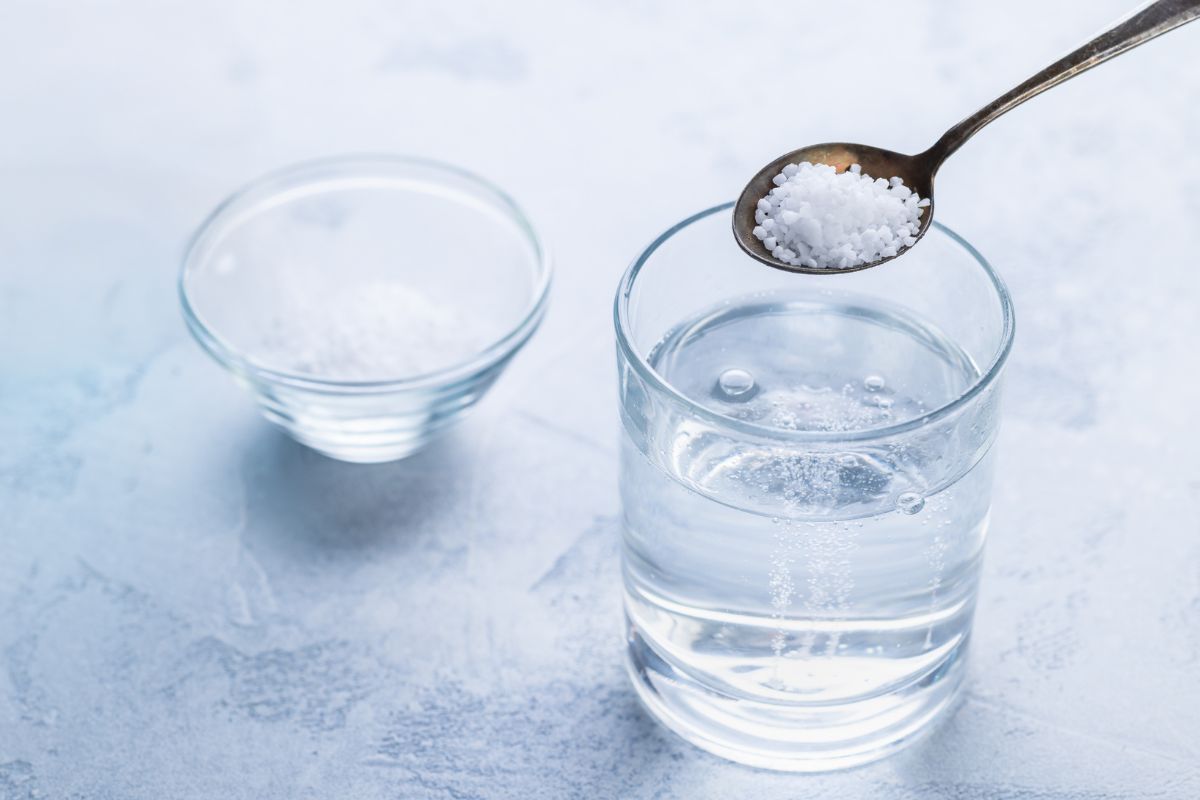
You’ve probably heard it at least once, maybe from a parent, a grandparent, or even a friend: “Just rinse with salt water.” It’s one of those age-old home remedies that gets passed down through generations. But does it actually work? Is swishing salt water around your mouth doing anything real for your dental health, or is it just a habit we’ve carried forward without questioning?
At Gila Ridge Dental, we get this question more often than you might think. And honestly, it’s a great one to ask. Whether you’ve just had a tooth pulled, you’re dealing with sore gums, or you’re simply looking for a natural way to support your oral hygiene routine, understanding what salt water can and can’t do for your mouth is genuinely useful. If you’re looking for a trusted dental care provider in Yuma who can guide you through questions like this one, we’re always here to help.
Let’s walk through everything you need to know.
What Happens When You Rinse With Salt Water?
Salt water, or saline solution, is essentially a mild antiseptic. When you mix salt into warm water and swish it around your mouth, a few things happen at once.
First, salt temporarily raises the pH in your mouth, creating a more alkaline environment. Bacteria that cause tooth decay and gum disease generally thrive in acidic conditions, so briefly disrupting that environment can be helpful. Second, salt draws fluid out of swollen or irritated gum tissue through a process called osmosis, which can reduce inflammation and ease discomfort. Third, the rinsing motion itself helps dislodge food debris and bacteria that might otherwise sit along the gum line.
None of this is magic, but it is real. The effects are temporary, and salt water is not a replacement for brushing, flossing, or professional care. That said, used correctly, it can be a solid addition to your routine.
When Salt Water Rinses Are Actually Helpful
Not every oral health situation calls for a saltwater rinse, but there are several cases where it genuinely makes a difference.
After a tooth extraction or oral surgery
This is probably where saltwater rinses shine the most. After a tooth is pulled or any kind of oral surgery is performed, the area is vulnerable to infection. A gentle saltwater rinse starting about 24 hours after the procedure helps keep the site clean without the harshness of commercial mouthwashes. Your dentist will usually recommend it for exactly this reason.
When your gums are sore or inflamed
If your gums feel tender, puffy, or irritated, rinsing with warm salt water can provide noticeable relief. The osmotic effect pulls excess fluid out of the inflamed tissue, and the mild antiseptic properties help calm the area. It won’t reverse gum disease on its own, but as a short-term comfort measure, it works well.
During a sore throat or mouth sore flare-up
Canker sores, minor cuts inside the mouth, and even a mild sore throat can respond well to salt water rinses. The solution helps keep the area clean and may speed up the healing process by reducing bacterial load around the sore.
As part of a daily oral hygiene routine
Some people include a daily saltwater rinse as part of their oral care alongside brushing and flossing. While it shouldn’t replace fluoride mouthwash if your dentist has recommended one, it can serve as a gentle, cost-effective supplement.
How to Make a Salt Water Rinse at Home?
There’s no need for anything fancy here. A proper saltwater rinse takes about 30 seconds to prepare.
You’ll want to dissolve about half a teaspoon of plain table salt or sea salt into a cup of warm water, not hot, just comfortably warm. Stir until the salt is fully dissolved. Then swish the solution around your mouth for 30 to 60 seconds, making sure it reaches the back of your mouth and along your gum line. Spit it out completely. Do not swallow it.
You can repeat this two to three times a day, especially after meals, if you’re dealing with a specific issue like post-extraction healing or gum soreness. For general use, once a day is typically enough.
Contact Us Today
Have questions about your oral health routine or want guidance on what’s right for your specific situation? Contact us, we’re happy to help you find what works best for your smile.
What Salt Water Can’t Do?
Here’s where it’s important to be straightforward with you. Salt water rinses have real limitations, and knowing them matters.
- It does not prevent cavities: Salt water has no fluoride, which is the mineral that strengthens enamel and actively protects against tooth decay. If cavity prevention is your goal, a fluoride toothpaste and, when appropriate, a fluoride mouthwash are what you need.
- It does not treat gum disease: If you have gingivitis or a more advanced stage of gum disease, salt water may reduce discomfort temporarily, but it won’t eliminate the infection or reverse the damage. You’ll need professional treatment for that.
- It can cause problems if used too frequently: This surprises a lot of people, but overusing salt water rinses can actually work against you. Too much salt exposure can dry out the soft tissues of your mouth and, over time, may erode tooth enamel. More is not better here. Stick to the recommended frequency and don’t use it as a substitute for your regular care routine.
- It’s not a substitute for brushing and flossing: Rinsing with salt water does not remove plaque from your teeth or clean the spaces between them. Brushing twice a day and flossing daily are still non-negotiable.
Salt Water vs. Store-Bought Mouthwash: Which Is Better?
This really depends on what you’re trying to accomplish.
Salt water is free, gentle, and well-tolerated by most people, including those with sensitive mouths or those who can’t use alcohol-based rinses. It’s ideal for short-term use, post-procedure care, and soothing irritated tissue.
Commercial mouthwashes, on the other hand, often contain active ingredients that do more targeted work. Antiseptic mouthwashes with chlorhexidine or cetylpyridinium chloride are effective against bacteria associated with gum disease. Fluoride rinses help strengthen enamel. Whitening rinses reduce surface staining over time.
Neither one is universally “better.” The right choice depends on your oral health needs. If you’re not sure which type of rinse fits your routine, that’s a great conversation to have with your dentist.
A Few Things to Keep in Mind Before You Start
If you’re pregnant, have high blood pressure, or are on a low-sodium diet, check with your doctor before incorporating regular salt water rinses into your routine. While you’re spitting it out and not swallowing it, it’s still worth being mindful, especially if you’re rinsing multiple times per day.
Children under a certain age may not be reliable about spitting rather than swallowing, so supervise them if you’re using a saltwater rinse for a younger child, and consult your dentist first.
And if you’re rinsing because something hurts a tooth, your gums, or a sore that won’t heal, don’t let the temporary relief delay a dental visit. Salt water can ease discomfort, but it can also mask a problem that needs real attention.
Keeping Your Smile Healthy Starts With the Right Information
Saltwater mouth rinses have earned their reputation for good reason. They’re simple, accessible, and genuinely useful for certain situations, particularly after dental procedures, during gum irritation, and for general oral comfort. But they work best as one part of a broader, consistent oral hygiene routine, not as a stand-alone fix.
At our dental office, we believe that great dental health starts with understanding your options clearly and making choices that are right for you. Whether you’re a long-time patient or someone who has been searching for a caring dentist in Yuma, our team is here to support your smile at every step. We work with patients across Yuma, AZ, who want straightforward, honest guidance on everything from daily home care habits to professional treatments. Request an appointment today, and let’s talk about building a routine that truly works for you.
Patient Questions We Hear All the Time
Can I use a saltwater rinse if I have dental implants?
Yes, it’s generally safe and helps keep the surrounding gum tissue clean, especially after placement. Just make sure to follow your dentist’s specific aftercare instructions during the healing phase.
Is it okay to use iodized salt, or does it have to be sea salt or kosher salt?
Any plain salt works fine, iodized, sea salt, or non-iodized. There’s no meaningful difference for a mouth rinse. What matters is the ratio: about half a teaspoon per cup of warm water.
My child has a loose baby tooth that’s bothering them. Will a saltwater rinse help?
It can ease soreness and keep the area clean. It won’t speed things up, but if your child can rinse and spit reliably, once or twice a day is a safe, soothing option while they wait for it to come out on its own.
Can saltwater rinses help with bad breath?
They can offer short-term relief by reducing bacteria and flushing out food particles. But if bad breath is a recurring issue, it usually points to an underlying cause like gum disease or dry mouth that a rinse alone won’t fix. Worth mentioning to your dentist.
How soon after a filling can I start using a saltwater rinse?
Usually, within 24 hours, once any initial sensitivity has settled. It’s not as sensitive a situation as a tooth extraction, so a gentle rinse is generally fine fairly quickly. If you’re unsure, a quick call to your dental office will confirm.