Most people expect adult teeth to have smooth, straight edges. So when they notice small bumps along the edge of a front tooth, their first thought is often that something is wrong. Some worry they chipped a tooth. Others assume it is a sign of poor oral health.
In many cases, those tiny bumps are simply mamelons, a completely natural part of tooth development. While mamelons are commonly seen on newly erupted permanent teeth in children, some adults retain them for years. Their presence often raises questions about whether they are normal, whether they should be removed, and whether they indicate an underlying dental issue.
At Gila Ridge Dental, our dentists frequently answer questions about tooth anatomy, bite alignment, and smile aesthetics. As trusted dentists, our team believes that informed patients make better decisions about their oral health. Understanding what is normal and when a professional evaluation may be beneficial can help you make confident decisions about your smile.
What Are Mamelons?
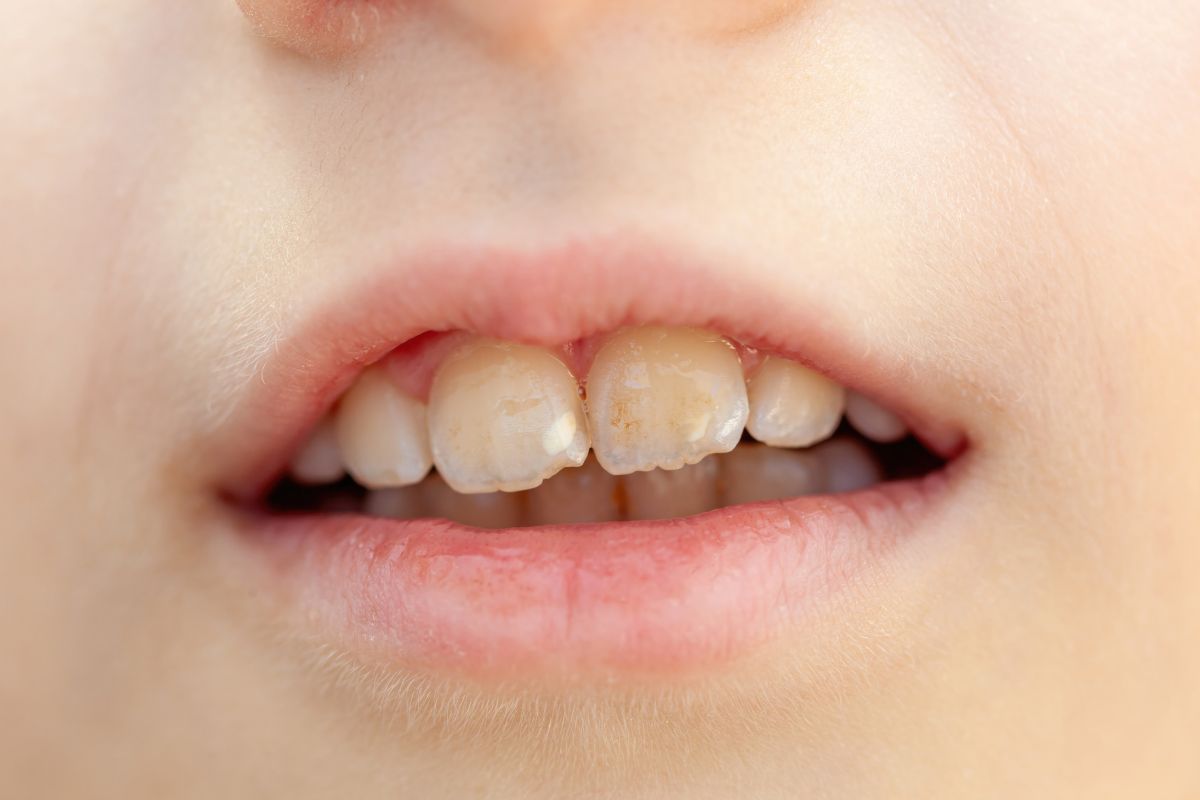
Mamelons are small, rounded bumps found on the biting edges of newly erupted permanent front teeth. They are a normal part of tooth development.
Each permanent front tooth develops from three growth centers called developmental lobes. When the tooth first emerges through the gums, these lobes create three distinct rounded projections along the edge of the tooth. These projections are known as mamelons.
In children, mamelons are considered completely normal. As teeth are used for chewing and biting over time, the edges gradually wear down, leaving the smooth appearance most people associate with adult teeth.
Mamelons are not a defect, disease, or sign of enamel weakness. They are simply a natural feature of tooth anatomy.
Are Mamelons Normal on Adult Teeth?
Yes. Adult mamelons are usually normal and harmless, especially when they are not causing functional or cosmetic concerns.
Many adults retain mamelons because their front teeth have not experienced enough friction to wear them away naturally. A trusted dentist in Yuma often considers retained mamelons as proof that the enamel has stayed largely intact.
Unlike cracks, chips, or fractures, mamelons typically appear symmetrical and evenly spaced across the edge of the tooth. They usually affect multiple front teeth rather than a single tooth.
The presence of mamelons does not increase your risk of cavities, gum disease, or tooth loss. Most adults who have them experience no symptoms at all.
Why Haven’t My Mamelons Worn Away?
Adult mamelons often remain because the front teeth do not make enough contact during normal chewing and biting.
This is one of the most common questions patients ask. The answer often comes down to how the upper and lower teeth fit together.
Several factors may contribute to retained mamelons:
Limited Front-Tooth Contact
When the front teeth rarely touch during daily function, the enamel edges receive little natural wear.
Bite Alignment Differences
Some bite patterns prevent normal contact between the upper and lower incisors. Even minor alignment differences can allow mamelons to remain visible into adulthood.
Orthodontic History
Adults who previously had crowded teeth corrected sometimes notice mamelons more clearly once their teeth become properly aligned.
Strong, Healthy Enamel
Some people simply have durable enamel that resists wear better than average.
Retained mamelons alone are not a problem. However, they sometimes encourage dentists to take a closer look at how the teeth function together.
Can Mamelons Indicate a Bite Issue?
Sometimes. While most mamelons in adult teeth are harmless, they can occasionally suggest that the front teeth are not contacting properly.
When mamelons remain because the front teeth never meet during normal function, an underlying bite condition may be present.
Examples include:
- Open bite
- Certain orthodontic alignment issues
- Tongue-thrust habits
- Abnormal wear patterns elsewhere in the mouth
This does not mean every person with mamelons needs orthodontic treatment. However, it highlights the importance of a professional evaluation.
At a comprehensive dental examination, your dentist can determine whether your mamelons are simply a cosmetic feature or part of a larger bite-related concern.
Do Mamelons Cause Any Problems?
In most cases, no. Mamelons are generally harmless and do not negatively affect oral health.
Mamelons typically do not:
- Cause pain
- Increase cavity risk
- Weaken teeth
- Damage enamel
- Lead to gum disease
For many adults, the primary concern is appearance.
This is especially true in a community where outdoor activities, year-round sunshine, and family gatherings are part of everyday life. Bright natural light often makes small details of a smile more noticeable in photographs. Some patients only discover their mamelons after seeing close-up pictures taken during local events, community celebrations, or outdoor adventures.
Because of this, cosmetic concerns are often the reason adults seek treatment rather than any actual dental problem.
Mamelons vs. Chipped Teeth
Many adults mistake mamelons for tooth damage.
| Feature | Mamelons | Chipped Tooth |
| Cause | Natural tooth development | Trauma or injury |
| Appearance | Rounded and symmetrical | Irregular or jagged |
| Pain | Usually none | May cause sensitivity |
| Location | Often on several front teeth | Usually one tooth |
| Treatment Need | Often unnecessary | Frequently recommended |
If you are unsure whether you have mamelons or a chipped tooth, a dental examination can provide a clear answer.
Should Mamelons Be Removed?
Most adults do not need treatment for mamelons unless they are unhappy with their appearance or a bite issue is contributing to their persistence.
The first step is determining whether treatment is actually necessary.
Observation
In many cases, no treatment is recommended. If the teeth are healthy and functioning properly, leaving mamelons alone is often the best option.
Enamel Contouring
For patients who prefer a smoother appearance, minor enamel reshaping may be performed. This conservative cosmetic procedure gently smooths the edges of the teeth.
Dental Bonding
Dental bonding can improve the appearance of tooth edges while preserving healthy enamel. It may be recommended when additional contouring is desired.
Porcelain Veneers
For patients pursuing a broader smile makeover, veneers can improve tooth shape, proportions, and overall aesthetics. Veneers are generally considered when multiple cosmetic concerns exist rather than for mamelons alone.
Orthodontic Treatment
If a bite issue is contributing to retained mamelons, orthodontic treatment such as ClearCorrect may be discussed to improve alignment and function.
These treatment options are available at our dental office when clinically appropriate and aligned with a patient’s goals.
When Should You See a Dentist About Mamelons?
You should schedule an evaluation if you are unsure whether the bumps are normal mamelons or signs of damage.
A dental examination is recommended if you notice:
- Sudden changes in tooth shape
- Rough or sharp edges
- Tooth sensitivity
- Difficulty biting food
- Jaw discomfort
- Cosmetic concerns affecting confidence
If you are looking for a trusted dentist in Yuma, a professional evaluation can help determine whether treatment is necessary or whether your teeth are simply displaying a normal developmental feature.
Schedule Your Personalized Smile Evaluation
For most adults, mamelons are simply a natural part of tooth anatomy that never fully wore away. They are not a sign of poor oral health and rarely require treatment. However, because retained mamelons can occasionally be associated with bite alignment concerns, it is always worthwhile to have them evaluated if you are unsure.
Whether you spend your weekends enjoying outdoor recreation, attending community events, or gathering with family and friends, feeling confident about your smile matters. Understanding what is normal and what deserves professional attention is an important step toward maintaining lifelong oral health.
Our team proudly serves Yuma West, Yuma Central, and Foothills, providing personalized evaluations and treatment recommendations according to your individual anatomy, smile goals, and oral health needs. If you have questions about mamelons, bite alignment, dental bonding, veneers, or ClearCorrect treatment, schedule an appointment for a comprehensive assessment.
Frequently Asked Questions
Do mamelons go away on their own?
In children and teenagers, mamelons often wear down naturally as the front teeth are used for biting and chewing. In adults, they usually remain unless natural wear occurs or they are cosmetically reshaped by a dentist.
Can mamelons become sensitive?
Mamelons themselves do not cause tooth sensitivity because they are made of normal enamel. If you experience sensitivity, it may be related to another dental issue, such as enamel wear, a cavity, or a cracked tooth.
Can I remove mamelons at home?
No. You should never attempt to file or reshape your teeth at home. Doing so can permanently damage the enamel and increase the risk of sensitivity or other dental problems. Any cosmetic reshaping should only be performed by a dental professional.
Do mamelons affect the way I bite or chew?
In most cases, mamelons do not interfere with biting or chewing. However, if they are associated with an underlying bite misalignment, your dentist may recommend an evaluation to determine whether treatment is needed.
Are mamelons more common on certain teeth?
Yes. Mamelons are most commonly found on the permanent upper and lower front teeth (incisors). They do not typically appear on canines, premolars, or molars because those teeth develop with different biting surfaces.