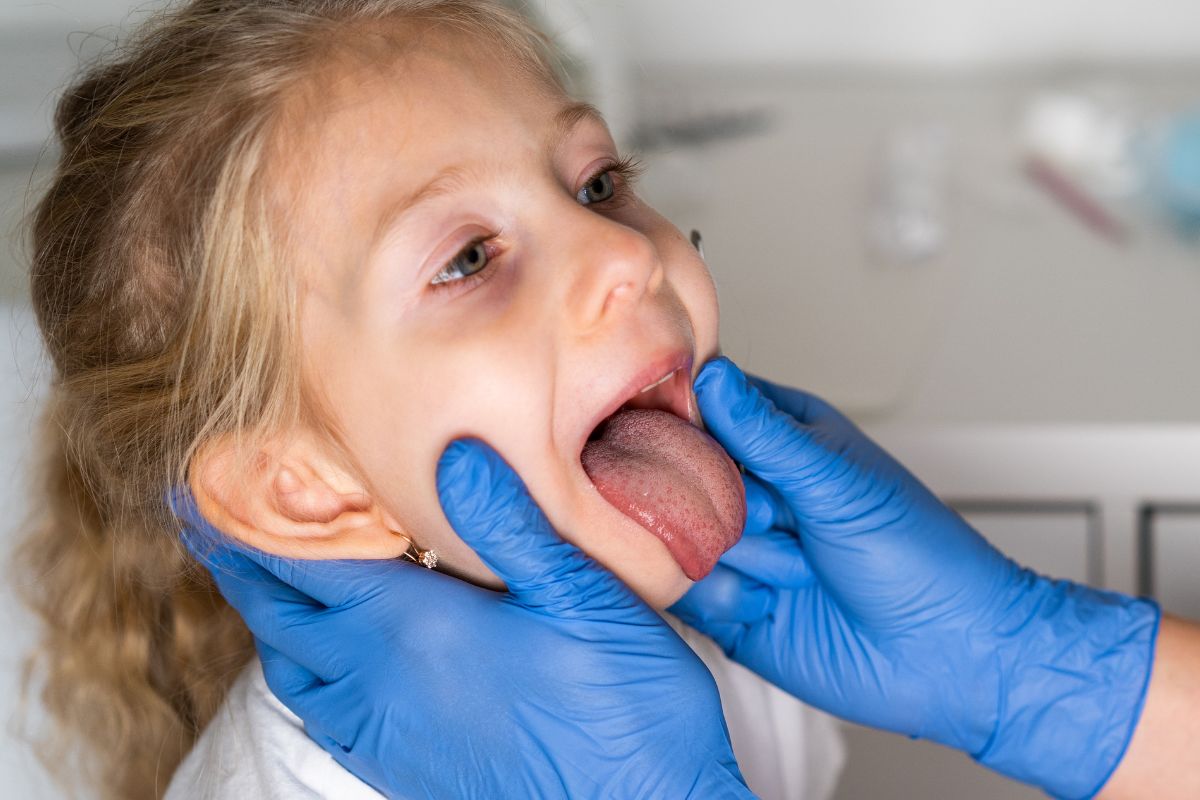
One day, your child is happily eating breakfast, and the next, they are complaining that their tongue feels itchy, sore, or uncomfortable. While this symptom can be alarming for parents, it does not always indicate a serious problem. In many cases, tongue irritation develops because of a minor issue such as a food sensitivity, dry mouth, or a small oral injury. However, persistent discomfort can sometimes signal an infection, nutritional deficiency, or another condition that deserves professional attention.
The challenge for parents is knowing when tongue irritation is a temporary annoyance and when it may be a sign of an underlying oral health concern. Understanding the most common causes can help you make informed decisions and ensure your child receives appropriate care when needed.
At Gila Ridge Dental, Dr. Thorson, Dr. Garner, and Dr. Nguyen regularly help families identify and manage oral health concerns affecting children. Their experience evaluating everything from minor tongue irritation to oral infections helps parents better understand the symptoms they are seeing. Through comprehensive pediatric dental care, our team provides personalized guidance to support your child’s oral health and development.
Why Does My Child’s Tongue Feel Itchy or Sore?
An itchy or sore tongue is usually the result of irritation, inflammation, infection, allergies, or trauma affecting the tongue’s sensitive tissues. The exact cause determines how severe the symptoms become and whether treatment is necessary.
The tongue contains thousands of nerve endings and taste receptors, making it one of the most sensitive structures in the mouth. Even minor changes in the oral environment can trigger noticeable discomfort.
Parents may notice symptoms such as:
- Itching or tingling sensations
- Redness or swelling
- Burning feelings
- White patches
- Small bumps or ulcers
- Pain while eating
- Increased sensitivity to spicy or acidic foods
Because several conditions can produce similar symptoms, a thorough evaluation is often the best way to determine the cause.
Could Food Allergies or Sensitivities Be the Cause?
Yes. Certain foods can trigger itching, tingling, or irritation on the tongue shortly after eating.
Children may develop mild reactions to:
- Fresh fruits
- Tree nuts
- Peanuts
- Dairy products
- Certain vegetables
- Food additives or preservatives
The symptoms often appear quickly after consuming the trigger food. If tongue itching is accompanied by facial swelling, hives, or breathing difficulties, seek immediate medical attention.
Parents sometimes notice recurring symptoms after the same meals or snacks. Keeping a food diary can help identify patterns and provide useful information during a professional evaluation.
Can Dehydration and Dry Conditions Affect the Tongue?
Absolutely. A dry mouth can make the tongue more vulnerable to irritation, soreness, and inflammation.
Families in the area spend much of the year enjoying outdoor sports, community events, and recreational activities. During warmer months, children can become mildly dehydrated without realizing it, particularly when they are active outdoors.
Saliva serves several important functions. It helps wash away bacteria, protects oral tissues, and keeps the tongue comfortable. When saliva levels decrease, the tongue may become:
- Dry
- Sensitive
- Irritated
- More susceptible to minor infections
Encouraging children to drink water regularly throughout the day can help maintain a healthy oral environment.
Could Oral Thrush Be Responsible?
Oral thrush is a fungal infection that can cause tongue soreness, irritation, and white patches inside the mouth.
Thrush occurs when Candida yeast grows excessively in the oral cavity. It is more common in:
- Younger children
- Children who recently used antibiotics
- Children with weakened immune systems
Common signs include:
- White creamy patches
- Redness beneath affected areas
- Tenderness
- Difficulty eating
- Cracking at the corners of the mouth
Because thrush requires proper diagnosis, persistent symptoms should be evaluated by a dental professional.
What Is Geographic Tongue?
Geographic tongue is a harmless condition that creates smooth, red patches on the tongue. Some children experience sensitivity, burning, or mild discomfort.
The patches often appear to move from one area of the tongue to another, giving the condition its name.
Although geographic tongue can look concerning, it is generally not dangerous. Some children notice increased discomfort when eating:
- Spicy foods
- Acidic foods
- Salty foods
Many cases require no treatment beyond monitoring and avoiding known irritants.
Can Canker Sores Make the Tongue Hurt?
Yes. Canker sores can develop on or underneath the tongue and often cause significant discomfort.
These small ulcers are not contagious but can make eating and speaking uncomfortable.
Possible triggers include:
- Minor injuries
- Emotional stress
- Certain foods
- Nutritional deficiencies
- Hormonal changes
Most canker sores heal naturally within one to two weeks.
Can Mouth Breathing Irritate the Tongue?
Yes. Children who frequently breathe through their mouths often experience dryness that can irritate oral tissues.
Mouth breathing may be linked to:
- Seasonal allergies
- Nasal congestion
- Enlarged tonsils
- Chronic airway obstruction
When the mouth remains open for extended periods, saliva evaporates more quickly, increasing the risk of tongue irritation and discomfort.
Parents who notice snoring, restless sleep, or persistent mouth breathing should mention these observations during a dental visit.
Could Nutritional Deficiencies Be Involved?
Low levels of certain vitamins and minerals can contribute to tongue soreness, redness, and sensitivity.
Deficiencies sometimes associated with tongue discomfort include:
- Iron
- Vitamin B12
- Folate
- Zinc
The tongue may appear unusually smooth, swollen, or bright red. Because nutritional concerns can affect overall health, professional evaluation is recommended when symptoms persist.
What Dental Problems Can Cause Tongue Irritation?
Sometimes the source of the problem is not the tongue itself but another structure inside the mouth.
A comprehensive dental examination can identify conditions such as:
| Possible Cause | Common Symptoms | Professional Evaluation Needed? |
| Sharp tooth edge | Localized irritation | Yes |
| Broken filling | Scratching sensation | Yes |
| Teeth grinding | Tongue trauma | Often |
| Orthodontic appliance | Friction or soreness | Sometimes |
| Poor oral hygiene | General inflammation | Yes |
| Oral infection | Pain and swelling | Yes |
This is one reason regular visits with a pediatric dentist are valuable. Early identification often prevents minor concerns from becoming larger problems.
When Should Parents Be Concerned?
Most cases of tongue irritation are temporary. However, symptoms that persist, worsen, or interfere with daily activities should be evaluated.
Schedule an examination if your child experiences:
- Symptoms lasting longer than two weeks
- Significant swelling
- Difficulty swallowing
- Fever
- Persistent white patches
- Recurring sores
- Pain that interferes with eating
Parents know their children best. If something feels unusual or continues despite home care, professional guidance is worthwhile.
How Can Parents Help at Home?
Supportive care can often reduce mild tongue irritation while the tissues heal.
Helpful measures include:
- Encouraging hydration
- Avoiding spicy or acidic foods
- Maintaining consistent brushing habits
- Using age-appropriate oral hygiene products
- Monitoring potential food triggers
- Limiting sugary snacks and beverages
These steps can improve comfort while supporting overall pediatric oral health.
Why Are Regular Dental Checkups Important?
Routine dental visits help identify oral health concerns before they become painful or more difficult to treat.
The tongue can reveal signs of:
- Oral infections
- Nutritional concerns
- Bite problems
- Dry mouth
- Developing dental disease
At our dental office, our pediatric dentist performs comprehensive examinations to evaluate the tongue, teeth, gums, and surrounding oral structures and determine whether the symptoms indicate a larger underlying issue.
Preventive care remains one of the most effective ways to support a healthy smile throughout childhood.
A Personalized Evaluation is the First Step
Every child’s oral health needs are unique. When tongue discomfort persists, a professional examination is the best way to determine the underlying cause and recommend the most appropriate care.
If your child has been experiencing tongue irritation, soreness, or unusual oral symptoms, book an appointment with us today and receive personalized guidance to help your child maintain a healthy, comfortable smile.