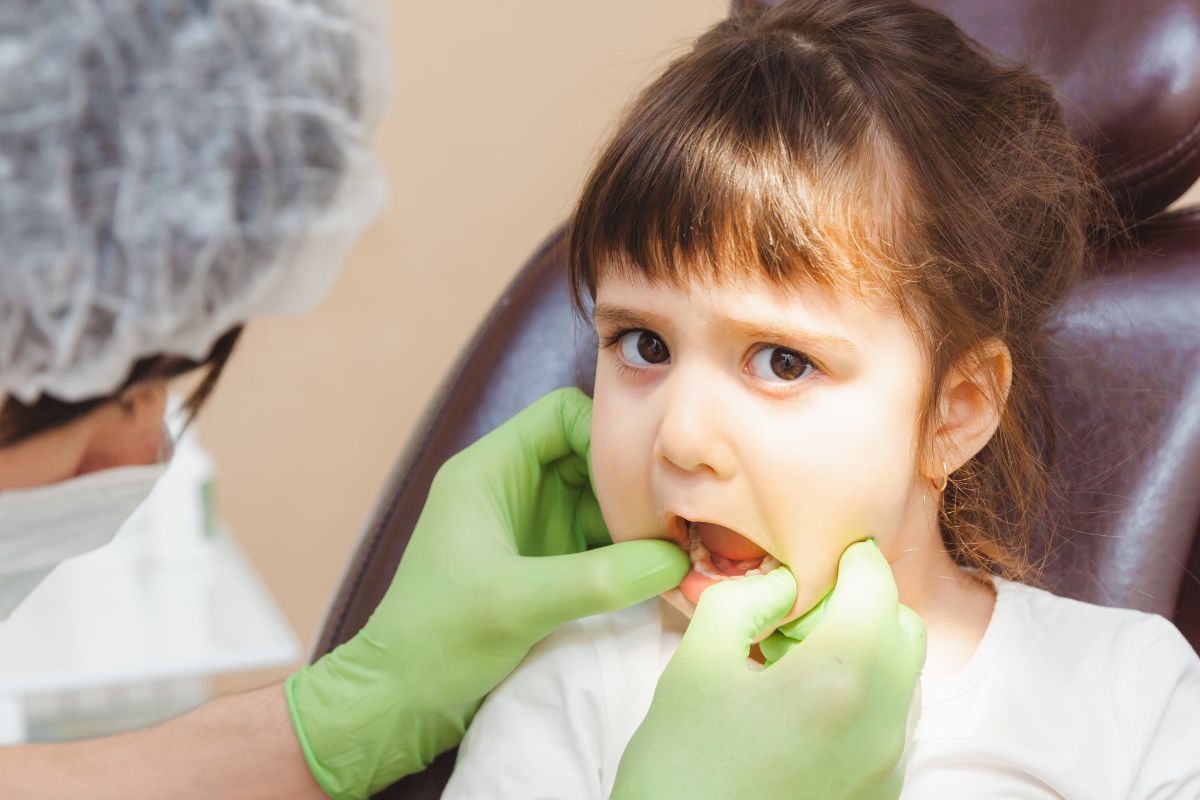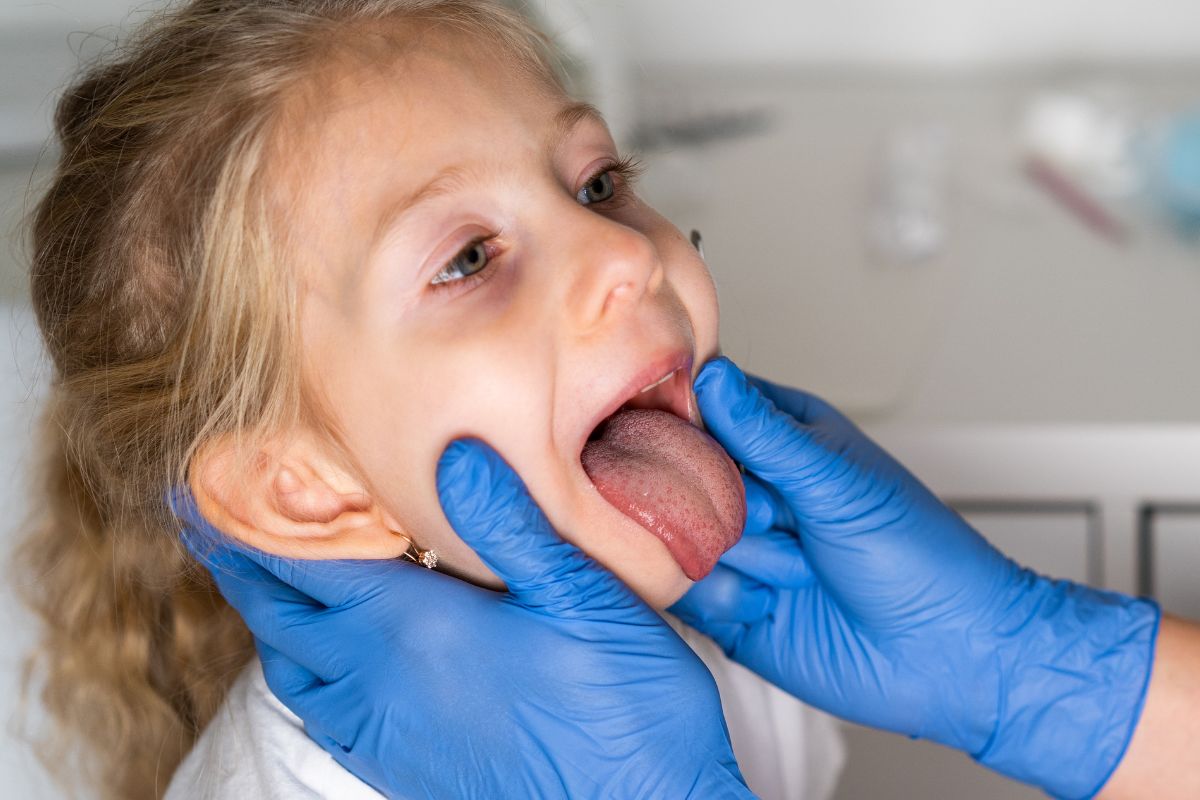
Parents often wonder when to begin caring for their baby’s mouth. The answer surprises many: right from birth. Even without teeth, a newborn’s gums need attention to build healthy habits. This simple routine prevents future problems and eases teething. Let’s dive into why it matters and how to do it right.
Why Early Oral Care Matters for Infants
Babies enter the world with gums ready for action. These soft tissues host future teeth. Neglecting them invites bacterial buildup. Early care removes residue from milk or formula. It also massages gums for comfort. Studies show this reduces infection risks. Plus, it gets babies used to mouth cleaning. As a result, they accept brushing later without fuss.
Experts recommend starting at birth. Wipe after each feeding. This keeps the mouth fresh. It also spots early issues like thrush. Parents report calmer babies during feeds. The practice supports overall health too. A clean mouth aids digestion. It even boosts immunity in those first months.
Step-by-Step Guide to Wiping Baby Gums
Gather supplies first. Use a soft, clean cloth or gauze. Dampen it with warm water. Avoid soaps or toothpaste at this stage. Hold your baby securely. Cradle their head in one arm. With the free hand, gently open their mouth.
Wipe in circular motions. Start at the back gums. Move forward slowly. Cover the upper and lower areas. Be gentle to avoid irritation. Do this at least twice daily. After night feeds work best. It clears overnight bacteria. Rinse the cloth between uses. Dry your baby’s mouth afterward.
For added ease, try silicone finger brushes. They fit over your finger. This gives better control. Always wash your hands before starting. If your baby resists, sing a song. Make it fun. Over time, they’ll enjoy the routine.
Addressing Common Parental Concerns
Many parents ask if wiping is really needed. Yes, it clears plaque precursors. Without it, early decay risks rise. Another worry: teething pain. Wiping soothes swollen gums. It prepares for tooth eruption around six months.
What if gums bleed slightly? That’s rare, but check for rough spots. Use softer pressure next time. Concerns about allergies? Stick to water only. No flavored wipes yet. These steps build confidence. They ensure your infant stays comfortable.
Finding a reliable pediatric dentist in Foothills, AZ, makes a difference. Local pros guide on custom routines. They check for developmental signs. This tailored advice fits your baby’s needs.
Comprehensive Services in Central Yuma
Families in other areas benefit too. Our branch in Central Yuma, AZ, provides the same comprehensive services. From infant exams to growth monitoring, we cover it all. Skilled teams handle gentle cleanings. They educate on home care. This ensures consistent support across locations.
The Benefits of Pediatric Dentistry in Action
Specialized care goes beyond basics. It focuses on prevention from infancy. Regular checkups catch issues early. This leads to fewer interventions later. Kids develop positive attitudes toward visits. They learn healthy habits that last.
Experts in this field use child-friendly tools. They explain procedures simply. Parents gain knowledge on the nutritional impacts. For example, limit sugary drinks. Choose tooth-friendly snacks. These insights empower families. They promote strong, cavity-free smiles.
Trending FAQs on Early Oral Care
Parents often search for quick answers online. Here are some trending FAQs based on common Google queries about wiping gums and pre-teeth care:
- When should I start wiping my baby’s gums? Begin right after birth. Wipe after each feeding to remove milk residue and bacteria. This sets a strong foundation.
- How do I properly wipe a baby’s gums? Use a damp, soft cloth or gauze. Rub gently in circles over upper and lower gums. Do it twice a day for best results.
- Why is early gum care important before teeth appear? It prevents bacterial buildup and infections. Plus, it gets your baby used to oral routines, easing future brushing.
- What if my baby doesn’t like gum wiping? Make it playful with songs or toys. Start slow and be consistent. Most babies adapt quickly.
- When is the first dental visit recommended? Schedule by age one or when the first tooth shows. Early visits spot potential problems.
These address top concerns from real parent searches.
Key Statistics on Childhood Oral Health
Early care pays off in numbers. Check this table for eye-opening stats from reliable sources like the CDC and NIDCR.
| Age Group | Statistic | Source |
|---|---|---|
| 2-5 years | 23% have dental caries | NHANES 2011-2016 |
| 2-5 years | Over 10% have untreated cavities in baby teeth | CDC 2024 Report |
| 5-19 years | 13.2% with untreated caries | CDC FastStats |
| 2-19 years | Prevalence exceeds 40% overall | AAP 2022 |
These figures highlight prevention’s role. Starting with gum wiping cuts risks sharply.
Additional Tips for Long-Term Success
As teeth emerge, switch to brushing. Use a rice-grain-sized fluoride paste. Brush twice daily. Watch for signs like white spots. These signals decay early. Limit pacifier use after six months. It affects jaw growth.
Encourage water over juice. This rinses the mouth naturally. Model good habits yourself. Brush together as a family. Kids mimic what they see. Track milestones like the first tooth. Note any delays for pros.
Involve the whole family. Siblings can help with routines. This builds team spirit. Stay informed on updates from health orgs. Knowledge evolves with research.
Taking these steps early creates lasting benefits. Your baby’s smile reflects the effort. It shines bright and healthy.
Ready to get started? Chat with a kids’ dentist near you for personalized advice. Call 928-770-1042 today to schedule an appointment. Your little one’s oral health journey begins now.