

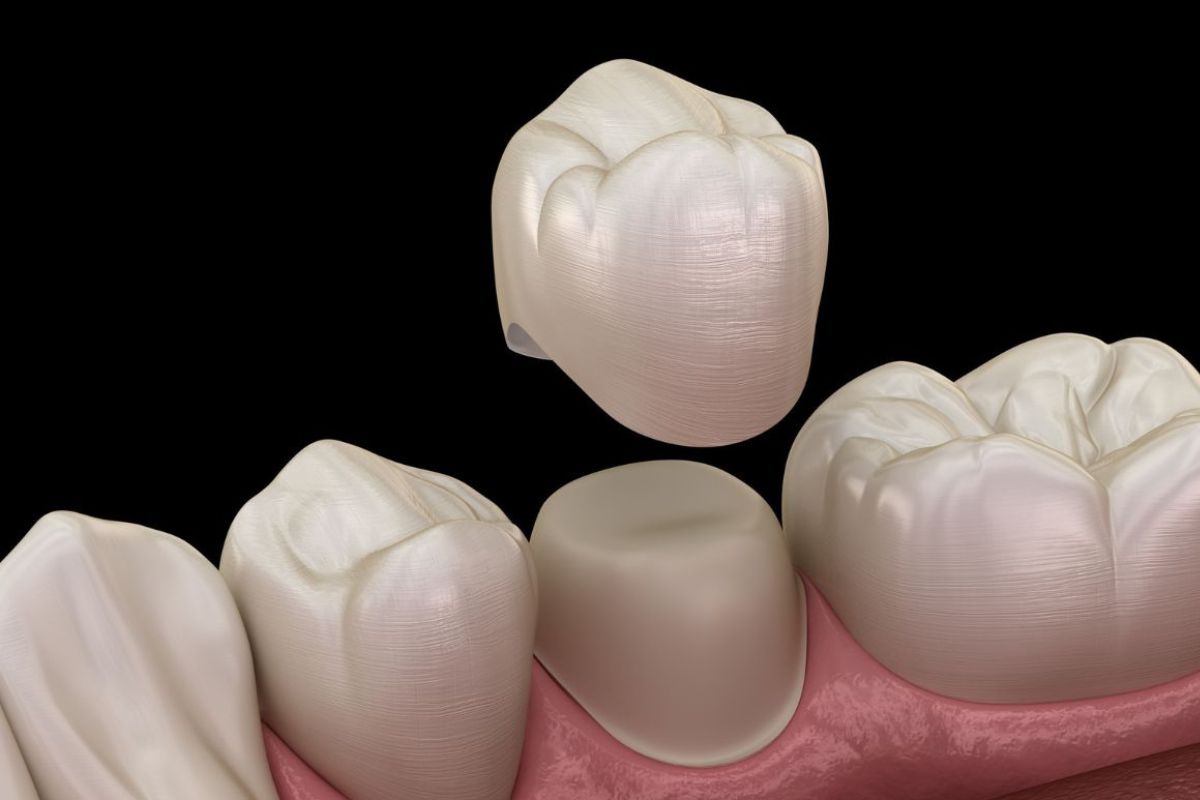
A dental crown (often called a tooth cap) is designed to shield a damaged tooth and restore your natural smile so you can chew, speak, and laugh with confidence. However, even though the porcelain or ceramic cap itself cannot decay, the natural tooth underneath is still real bone and tissue. If bacteria slip past the seal holding the cap in place, an infection can quietly build up inside.
At Gila Ridge Dental, our team delivers clear, gentle, and effective care to keep your smile healthy. If you are noticing discomfort around a cap, getting a checkup early makes all the difference. You can easily learn more about how modern restorations work by checking out our same-day crowns.
What Exactly Is a Dental Crown Infection?
An infected crown happens when mouth bacteria find a way past the dental glue (cement) holding your cap in place, reaching the soft nerve and natural tooth underneath.
When bacteria sneak under the cap, they settle into the small crevices of your real tooth. If they aren’t removed, they irritate the nerve inside, leading to swelling, toothache, and eventually an infection (abscess) at the tip of the tooth root.
Early Signs of Crown Infection
Recognizing early warning signs gives your dentist the chance to fix the issue before permanent damage occurs. Here are the main signs to watch for:
Persistent or Throbbing Pain
A continuous ache or throbbing feeling beneath your cap means bacteria have reached the inner nerve of your tooth. While a little sensitivity right after getting a cap is normal, pain that lingers or keeps you up at night is a clear warning sign.
Red or Swollen Gums Around the Cap
Healthy gums should be firm and pink. If the gums right around your capped tooth look dark red, feel puffy, or bleed when you brush and floss, bacteria may be irritating the tissue beneath the gumline.
Sensitivity to Hot, Cold, or Pressure
Does taking a sip of hot coffee or eating ice cream cause a sharp, lingering sting? Does biting down on food make the tooth feel tender? Lingering sensitivity to temperature and pressure usually means the nerve under the cap is inflamed.
Bad Taste in Your Mouth or Foul Breath
When bacteria gather in tiny gaps beneath a compromised cap, they produce a bad smell and taste. If you notice an unpleasant flavor in your mouth or persistent bad breath that chewing gum or mouthwash won’t fix, an infection might be hidden underneath.
A Pimple-Like Bump on Your Gums
A small, raised bump on your gums near the capped tooth (sometimes called a gum boil) is a sign that an infection at the root is trying to drain. This is a very clear indicator that you should have your tooth evaluated by a dentist promptly.
Why Do Infections Happen Under a Crown?
Dental caps are built to last for years, but everyday wear and tear can occasionally compromise them. Common reasons include:
- Worn-Out Dental Cement: Over time, the glue holding the cap to your tooth can slowly dissolve or wear down, creating microscopic gaps where bacteria can hide.
- Deep Tooth Decay Before the Cap: If the natural tooth had deep decay or trauma before the cap was placed, latent bacteria can sometimes cause trouble years later.
- New Decay Around the Edges: Plaque can build up right where the bottom of the cap meets your natural gumline, causing a new cavity underneath the cap.
- Teeth Grinding (Bruxism): Clenching or grinding your teeth at night puts heavy pressure on your caps, which can break the seal and let bacteria in.
Healthy vs. Infected Restorations: A Quick Comparison
| What to Look For | Healthy Capped Tooth | Infected Capped Tooth |
| Biting & Chewing | Feels normal, comfortable, and natural. | Sharp pain or a deep ache when you bite down. |
| Temperature Response | No lingering reaction to hot or cold drinks. | Severe, stinging pain that lingers after hot or cold foods. |
| Gum Appearance | Pink, firm gums that fit snugly around the tooth. | Red, swollen, or tender gums around the cap. |
| Fit & Seal | Smooth and tightly sealed to the natural tooth. | Visible gaps, loose feel, or decay along the edge. |
| Taste & Smell | Clean and fresh. | Persistent bad taste or lingering foul breath. |
How Dentists Diagnose and Fix the Problem
Treating an infection under a cap is straightforward once your dentist takes a look:
- Digital X-Rays and Exam: Your dentist takes quick, high-resolution X-rays to see beneath the cap and check the health of your tooth root and surrounding jawbone.
- Targeted Antibiotics: If there is swelling or active spread, your dentist may prescribe antibiotics to calm the infection down first.
- Root Canal Therapy: To save your natural tooth, the dentist gently cleans out the infected nerve tissue from inside the tooth, disinfects the area, and seals it completely.
- Replacing the Cap: If the old cap is damaged or no longer fits tightly, your dentist will clear away any decay and craft a fresh, custom tooth crown that seals out future bacteria.
How Local Climate and Lifestyle Play a Role
Living here in Yuma means enjoying plenty of sunshine, but our hot, dry desert climate makes staying hydrated extremely important. When you don’t drink enough water, your body produces less saliva. Saliva is your mouth’s natural protector; it washes away leftover food particles and neutralizes harmful acids that cause decay.
Enjoying local favorites like delicious citrus-marinated tacos or sweet, icy treats on a hot summer afternoon is part of life here. However, sugary and acidic foods can linger around the base of your tooth caps if plaque isn’t brushed away daily. When combined with dry mouth from the summer heat, this makes it easier for bacteria to break through the seal of an older cap. Staying well-hydrated and keeping up with daily brushing are two simple ways to protect your smile year-round.
Ensure Your Oral Health is in Safe Hands
If you ever feel discomfort under a tooth cap, getting it checked out right away is the best step you can take. We proudly serve Yuma West, Yuma Central, and Foothills and are here to help your whole family enjoy healthy, lasting smiles. Our dentists note that catching small leaks under a cap early prevents bacteria from reaching the jawbone, saving your natural tooth and keeping treatment quick and comfortable.
At our office, we use modern digital technology, including convenient single-visit techniques, to design precise, comfortable dental crown restorations that fit perfectly. If you are dealing with gum tenderness, biting pain, or sensitivity, book an appointment today so our caring team can restore your health and peace of mind.