A custom dental crown is one of the most durable, reliable ways to protect a damaged, cracked, or heavily restored tooth. When crafted and fitted properly, a crown can last for decades, restoring full chewing function and giving you complete confidence in your smile. However, many patients assume that because a crowned tooth is covered by porcelain or ceramic, it is completely immune to future problems.
The truth is that while the synthetic crown itself cannot decay, the natural tooth structure underneath, as well as the surrounding gum tissue, remains vulnerable to bacterial invasion. If bacteria manage to seep beneath the restoration or reach the inner pulp of the tooth, a serious infection can develop. Knowing how to identify the warning signs early can mean the difference between a simple repair and losing the underlying natural tooth.
At Gila Ridge Dental, our experienced team, led by Dr. Stephen Garner and Dr. Thor G. Thorson, is dedicated to helping our Yuma community protect their oral health through advanced, compassionate restorative care. Regarding any concerns about your crown or to learn more about our same-day dental crown, do not delay; contact our team for assistance.
Can a Tooth Under a Crown Really Get Infected?
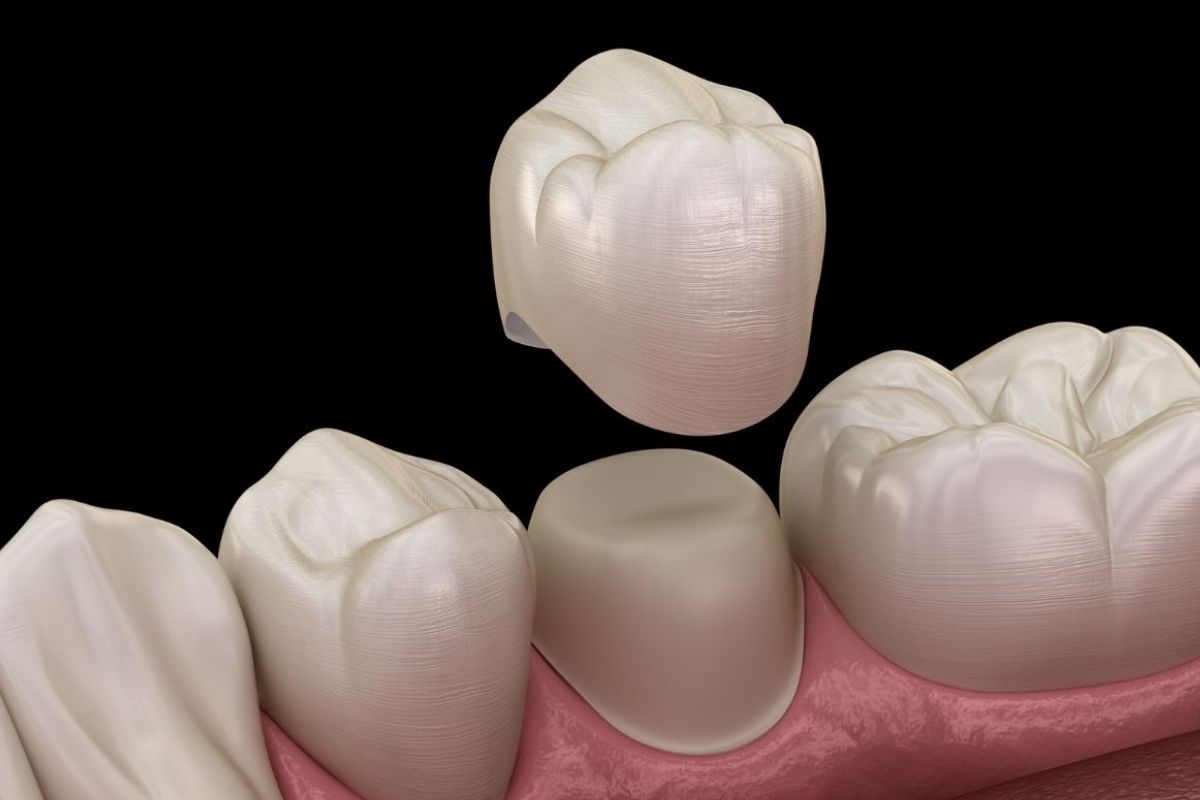
To understand how an infection forms under a crown, it helps to understand how a crown functions. These tooth caps act as a protective cap placed over a natural tooth that has been reshaped. Before the crown is cemented, any decayed portion of the tooth is removed.
However, bacteria can still find their way beneath the restoration through several common pathways:
- Microscopic Leaks or Damaged Cement: Over time, normal chewing forces or dental trauma can cause the protective dental cement to wash out or crack. This creates microscopic gaps where oral bacteria and food particles collect.
- Deep Tooth Decay: If micro-leakage occurs, bacteria feed on sugars in your food and produce acids that decay the remaining natural tooth structure beneath the cap.
- Nerve Inflammation (Pulpitis): Deep decay or severe trauma prior to placing the crown can traumatize the tooth’s inner nerve (pulp). Even if the crown is sealed perfectly, the traumatized pulp can gradually die off and develop a bacterial infection at the root tip.
- Advanced Gum Disease: Periodontal disease causes the gum line to recede. Receded gums expose the margin, the microscopic boundary where the crown meets your natural root, making it far easier for bacteria to slip underneath.
Key Symptoms of Dental Crown Infection
Recognizing an infected tooth under a crown early allows us to intervene before the infection spreads deeper into the jawbone or surrounding soft tissues. If you notice any of the following symptoms, schedule a professional evaluation as soon as possible.
Persistent, Throbbing Pain
One of the most obvious indicators of an infection is tooth pain that does not subside. This discomfort often feels like a deep, throbbing ache radiating through your jaw, cheek, or neck. Unlike temporary sensitivity, infected crown pain often worsens when you lie down flat because blood pressure to the head increases, putting additional pressure on the inflamed nerve tissue.
Extreme Sensitivity to Hot and Cold
While mild temperature sensitivity is normal for a few days after receiving a new restoration, sharp pain that lingers for 15 to 30 seconds after eating or drinking something hot or cold signals a problem. This prolonged response indicates that the internal nerve of the tooth is severely inflamed or infected.
Swollen, Red, or Tender Gums
Examine the gumline surrounding the crowned tooth. If the tissue appears bright red, swollen, puffy, or unusually tender to the touch, bacteria may have invaded the sulcus (the pocket between your tooth and gum). Healthy gums should fit snugly against the crown and appear light pink.
Foul Taste or Unpleasant Mouth Odor
When bacteria accumulate and multiply beneath a loose or leaking crown, they produce unpleasant byproducts. Patients often report a persistent foul taste in their mouth or bad breath (halitosis) that does not clear up even after brushing, flossing, or using antibacterial mouthwash.
Sharp Pain When Biting or Chewing
If biting down on food causes a sudden, sharp pain, the tissue surrounding the root tip (the periodontal ligament) is likely inflamed. Pressure forces the infected tooth slightly into its socket, compressing the swollen, highly sensitive nerves underneath.
A Pimple-Like Bump on the Gums (Dental Abscess)
A small, raised bump on the gums near the base of the crowned tooth, often called a gum boil or parulis, is a clear sign of an active dental abscess. This bump acts as a drainage port for pus building up at the root of the tooth. You may notice periodic drainage accompanied by a sudden, temporary reduction in pain as the built-up pressure releases.
A Loose or Raised Crown
If the crown feels unstable, moves when you bite, or feels “too high” compared to your other teeth, the cement holding it in place may have broken down. A compromised seal allows saliva and bacteria direct access beneath the crown, dramatically accelerating internal decay.
Differentiating Normal Post-Procedure Discomfort from an Infection
It is completely normal to experience mild soreness or slight pressure sensitivity for 3 to 7 days after having a crown placed. Your tooth and surrounding gums need time to heal from the preparation process.
| Symptom | Normal Post-Placement Healing | Active Crown Infection |
| Duration | Improves steadily over 3–7 days | Persists or gradually worsens over time |
| Pain Level | Mild to moderate dull ache | Severe, throbbing, or sharp stabbing pain |
| Swelling | Slight tender feeling around the gumline | Visible puffy, red gums or a bump/abscess |
| Response to Heat | Brief, mild reaction to temperature | Prolonged, lingering pain after hot foods/drinks |
| Foul Taste/Odor | None | Persistent bad taste or foul discharge |
Treatment Options for an Infected Crown
Treating an infected crowned tooth depends on the underlying cause and the extent of the damage:
- Root Canal Therapy: If the infection has reached the internal pulp, a root canal is usually the best way to save the natural tooth structure. The dentist creates a small access point through the top of the crown (or temporarily removes the crown), removes the infected pulp tissue, disinfects the inner canals, seals the space, and secures a new restoration.
- Crown Replacement: If decay has formed around the margins or beneath the cap, the old crown must be safely removed. Once all decay is cleaned away and the tooth structure is disinfected, a precise new restoration is crafted and sealed into place. If you need a fast, convenient solution, our team can restore your smile in a single visit with a high-quality same-day dental crown.
- Periodontal Deep Cleaning: When the infection is isolated to the surrounding gums rather than the nerve, scaling and root planing (a deep cleaning) can eliminate subgingival bacteria and allow the tissue to reattach cleanly.
- Tooth Extraction: In severe cases where the natural tooth root is fractured or decayed beyond repair beneath the gumline, extraction may be necessary to protect your jawbone. The extracted tooth can then be replaced with a long-lasting dental implant.
Advanced Same-Day Dental Crown Solutions in Yuma
Traditional crown replacements used to require multiple appointments spread over several weeks, uncomfortable putty impressions, and wearing fragile temporary caps while waiting for an off-site laboratory.
At our dental office, we leverage advanced CEREC technology so Yuma patients can receive a durable, custom-built same-day crown in just one convenient visit. Using 3D optical impressions, we design and craft a solid ceramic restoration right in our office while you relax. This eliminates the need for temporary crowns, which can leak or pop off easily, and allows us to treat underlying issues and restore your tooth with a permanent same-day dental crown all in the same morning or afternoon.
If you are experiencing severe discomfort or suspect your existing restoration has failed, our team can evaluate your tooth and determine whether a custom same-day tooth cap is the right solution to protect your smile long-term.
Strategies to Prevent Future Infection Risks
Taking proactive steps to care for your restorations protects your investment and maintains your overall health:
- Maintain Consistent Daily Hygiene: Brush at least twice daily using a soft-bristled toothbrush and fluoride toothpaste. Pay extra attention to the gumline around your crown to prevent plaque buildup at the margin.
- Floss Around Restorations Daily: Plaque easily settles between teeth where toothbrush bristles cannot reach. Use traditional dental floss or an interdental brush to clean the sides of your crowned tooth every day.
- Schedule Regular Professional Checkups: Visit your dentist every six months for routine cleanings and exams. Digital X-rays allow us to spot microscopic decay under a crown long before you feel pain.
- Wear a Nightguard for Teeth Grinding: If you grind or clench your teeth while sleeping (bruxism), the heavy force can crack the cement seal or fracture porcelain. A custom nightguard protects both natural teeth and crowns from excessive pressure.
- Avoid Chewing Hard Objects: Refrain from chewing on ice, hard candies, popcorn kernels, or non-food items like pens, which can fracture dental ceramic or break the cement bond.
Protect Your Smile with Gila Ridge Dental
Ignoring symptoms of dental crown infection can result in serious complications such as severe pain, bone deterioration, and the need for complex emergency treatments. Addressing these issues promptly is crucial to preserving your oral health and preventing further damage.
At our dental office, our experienced team utilizes the latest advanced technology combined with a gentle, patient-centered approach to accurately diagnose and treat dental problems. We understand the importance of a healthy smile and are dedicated to helping you maintain optimal oral well-being.
Don’t wait until pain or damage worsens; take proactive steps to protect your oral health. Gila Ridge Dental has conveniently located offices in Central Yuma, West Yuma, and Foothills, making it easier to access the dental care you need. Schedule an evaluation and learn more about protecting your teeth from recurring cavities.
Frequently Asked Questions
Can an infected dental crown heal on its own?
No, a dental crown infection cannot heal on its own. Bacteria trapped beneath the crown or inside the tooth nerve require professional dental treatment, such as a root canal or crown replacement, to be eliminated.
How do I know if my crown pain is an emergency?
If your pain is severe, accompanied by facial swelling, fever, or a visible pimple on your gums, it is a dental emergency. Contact an emergency dentist immediately to prevent the infection from spreading further.
Can antibiotic medication cure an infected dental crown?
Antibiotics can temporarily control bacterial growth and ease systemic symptoms, but they cannot cure the infection permanently. The infected physical tissue inside or under the crown must be removed by a qualified dentist.
How long can an infection hide under a dental crown?
An infection can develop silently beneath a crown for months or even years without causing pain. Regular dental checkups and diagnostic X-rays are essential for detecting hidden decay before severe symptoms begin appearing.
Is root canal treatment necessary for every infected crown?
Not always. If the infection is limited to surrounding gum tissue or superficial decay beneath the margin, a deep cleaning or crown replacement may suffice. Root canals are required only when the nerve is compromised.
What happens if I ignore signs of an infected crown?
Ignoring an infection can cause decay to destroy the underlying tooth structure completely, leading to tooth loss. The infection can also spread to surrounding jawbone tissue, causing severe pain and structural bone damage.
How can a dentist see decay under a porcelain crown?
Dentists use advanced digital X-rays and intraoral cameras to inspect the margins and root structures around a crown. These imaging tools reveal hidden bone loss, abscesses, or decay developing along the natural root.