A smile is personal. Maybe your teeth have become stained over the years, a small chip catches your attention every time you look in the mirror, or you wish your smile looked more even. Whatever you would like to change, understanding your options is the first step toward making an informed decision.
At Gila Ridge Dental, patients can explore a range of options, from whitening and dental bonding to porcelain veneers and ClearCorrect aligners. If you are considering a cosmetic dental treatment in Foothills, learning how these procedures differ can help you prepare for a conversation with your dentist.
The goal is not to choose the most extensive procedure. It is to find an option that addresses your concerns while respecting your natural teeth, oral health, and budget.
What Are Cosmetic Dental Treatments?
Cosmetic dental treatments are procedures designed to improve the appearance of your teeth, gums, or overall smile. Depending on your needs, treatment may focus on tooth color, shape, spacing, alignment, or gum contours.
Some options involve minimal changes to the natural tooth structure, while others require more preparation. Your dentist can explain the benefits, limitations, costs, and maintenance associated with each approach.
1. Professional Teeth Whitening: For Stained or Discolored Teeth
If your teeth look yellow or stained but their shape and alignment are generally satisfactory, professional whitening may be a good starting point.
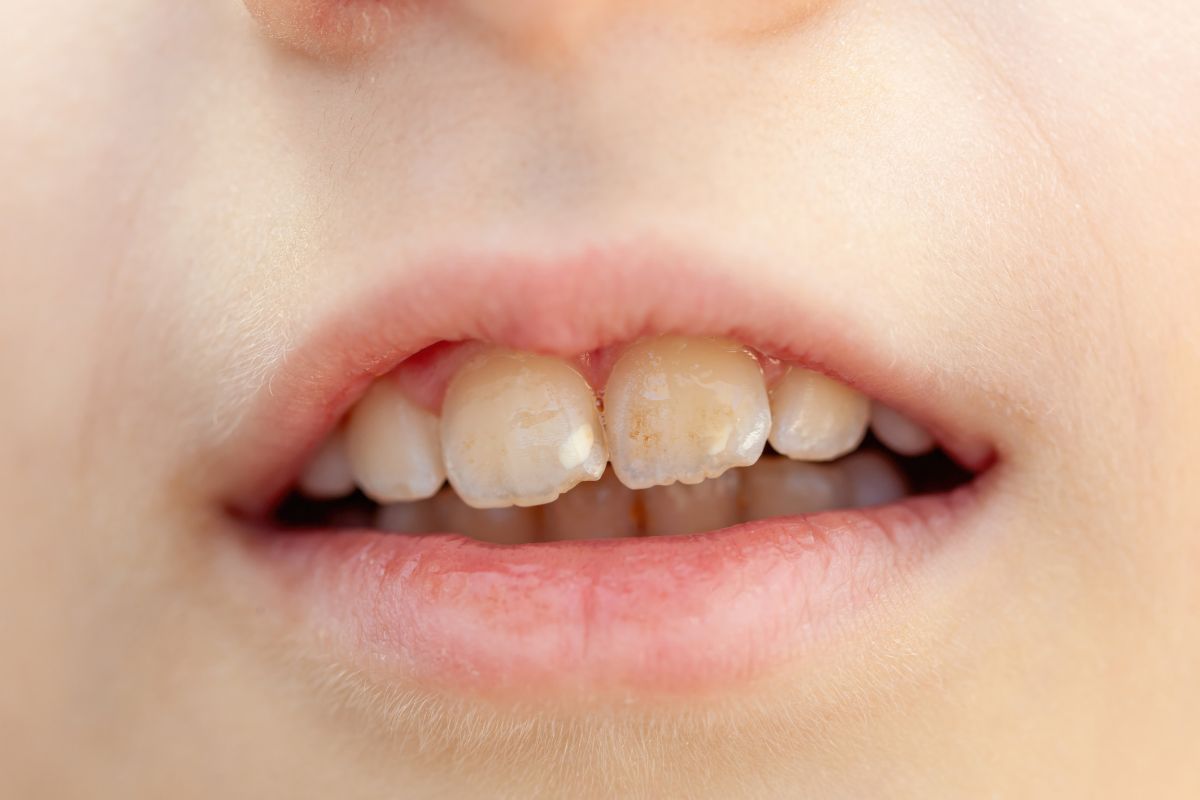
Coffee, tea, certain foods, tobacco, aging, and some medications can contribute to tooth discoloration. Professional whitening uses bleaching agents to lighten many types of stains on natural teeth.
Whitening may be worth considering if you:
- Want a brighter smile without changing tooth shape.
- Have stains caused by food, drinks, or aging.
- Prefer a treatment that does not require veneers or bonding.
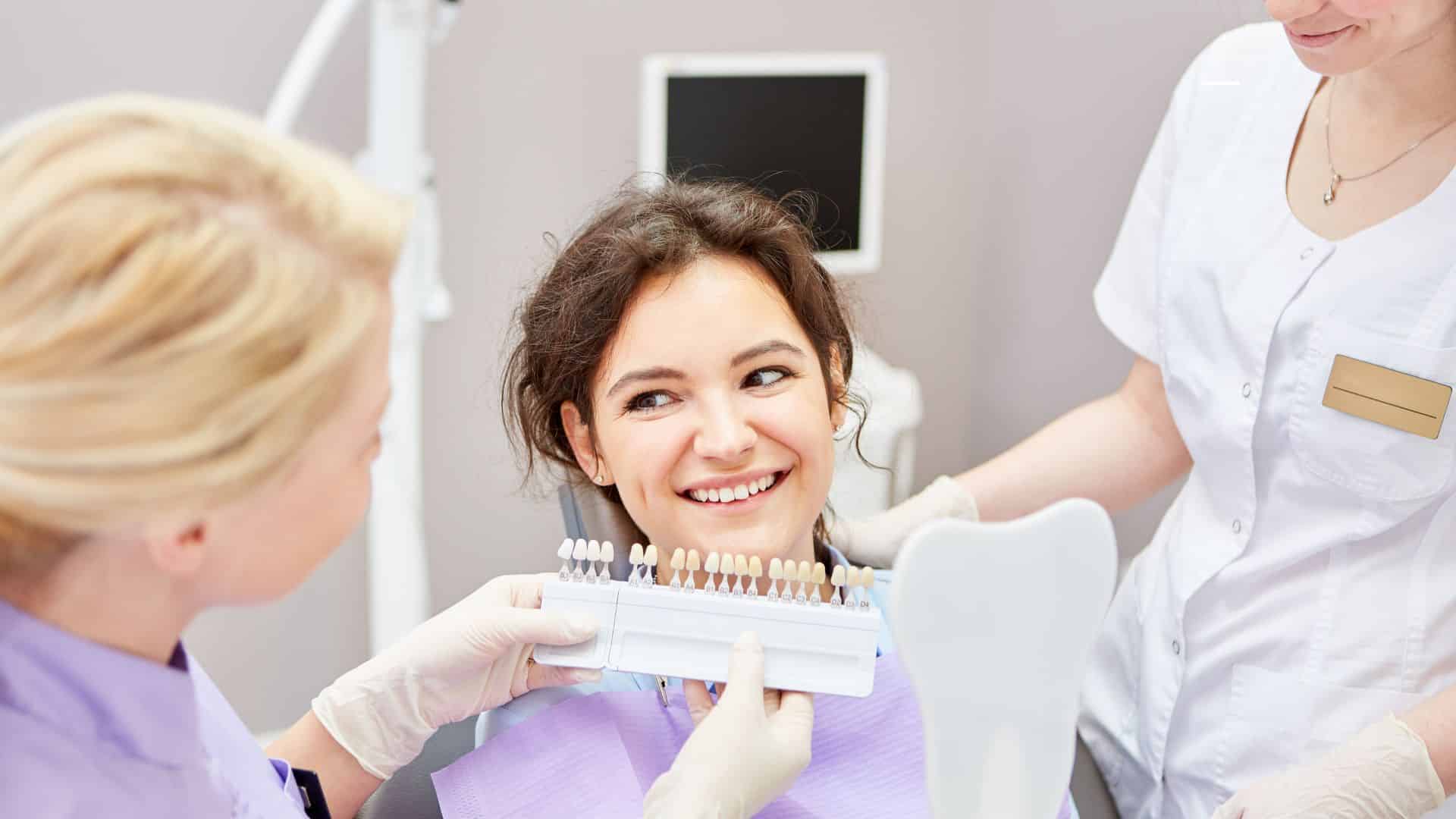
Your dentist can discuss in-office whitening or take-home options. Whitening does not change the color of crowns, fillings, or veneers, so existing restorations may remain a different shade. Tooth sensitivity and gum irritation are also possible.
If you have persistent discoloration or sensitive teeth, arrange an evaluation before using whitening products.
2. Dental Bonding: For Small Chips, Gaps, and Uneven Edges
Dental bonding uses a tooth-colored composite resin that is shaped and hardened on the tooth to improve its appearance. It can help address minor chips, small gaps, irregular edges, and selected discoloration concerns.
Bonding is often completed in one appointment, and it may require little alteration of the natural tooth. However, composite resin can stain or chip over time and may need repair or replacement.
Bonding may suit you if you want to make a relatively small change without committing to a more extensive restoration.
The size of the imperfection, your bite, and habits such as nail-biting or chewing hard objects can influence whether bonding is appropriate.
3. Porcelain Veneers: For More Comprehensive Smile Changes
Porcelain veneers are thin, custom-made coverings bonded to the front surfaces of teeth. They can change the appearance of tooth color, shape, size, and certain spacing irregularities.
Veneers may be considered when whitening alone will not address the concern or when several visible teeth need a coordinated cosmetic improvement.
However, veneers are not right for everyone. Preparing teeth for traditional porcelain veneers often involves removing some enamel, which means the treatment is generally irreversible. Veneers can also chip, loosen, or require replacement over time.
Before choosing veneers, discuss how much tooth preparation is needed, how your bite may affect them, and what future maintenance could involve.
4. ClearCorrect Aligners: For Selected Alignment Concerns
Sometimes the main concern is not tooth color but the way teeth sit in relation to one another. ClearCorrect uses a series of clear, removable aligners to move teeth gradually in suitable cases.
Aligners may help address certain types of crowding, spacing, and alignment problems. They are not suitable for every orthodontic concern, and treatment requires consistent wear according to your dentist’s instructions.
If you are considering aligners, ask whether your bite and tooth positions are appropriate for this approach. Correcting alignment may be more suitable than disguising crooked teeth with cosmetic restorations, depending on your circumstances.
5. Gum Contouring: For an Uneven Gum Line
Your gums contribute to the overall appearance of your smile. If excess gum tissue or an uneven gum line makes some teeth look shorter than others, gum contouring may be an option.
The procedure reshapes the gum line in selected cases. Your dentist will first evaluate your gum health and determine what is causing the appearance you want to change.
Not every uneven gum line requires treatment. If gum inflammation or another oral health concern is present, that issue may need attention before cosmetic treatment is considered.
How Do You Choose the Right Treatment?
Start by identifying what bothers you most about your smile. Then consider how much change you want, how long you hope the results will last, and what maintenance you are comfortable with.
Here is a simple guide:
- Stains or yellowing: Ask about professional teeth whitening.
- A small chip or gap: Discuss dental bonding.
- Changes to the shape or color of several visible teeth: Ask whether porcelain veneers are appropriate.
- Crowding or spacing: Explore ClearCorrect or other orthodontic options.
- An uneven gum line: Ask whether gum contouring could help.
These are starting points, not a diagnosis. Your dentist will also consider cavities, gum health, existing restorations, enamel condition, and your bite before recommending treatment.
If you are deciding between veneers and bonding, read our related guide on veneers vs bonding to compare their uses, preparation requirements, and maintenance.
What Should You Ask Before Starting Cosmetic Dentistry?
It is reasonable to have questions before committing to a procedure. During your consultation, consider asking:
- What is causing the concern I want to address?
- Are there less invasive alternatives?
- Will the treatment require removing healthy tooth structure?
- How long might the results last, and what maintenance will I need?
- Could the treatment affect sensitivity, my bite, or existing dental work?
- What is the total estimated cost, and are payment options available?
A good treatment plan should account for your oral health as well as your cosmetic goals. If a tooth has decay, significant damage, or another underlying problem, addressing that issue may need to come before elective cosmetic work.
Exploring Cosmetic Dentistry in Yuma
Choosing cosmetic dentistry should be a conversation, not a rushed decision. At Gila Ridge Dental’s Foothills office, Dr. Min Jung Jin and the team offer cosmetic options including professional teeth whitening, dental bonding, porcelain veneers, gum contouring, and ClearCorrect aligners.
Patients from Yuma and nearby Foothills communities can discuss their concerns, learn what each option involves, and work with the dental team to understand which treatments may suit their needs.
For more information about the practice, visit Gila Ridge Dental’s Foothills office to find the office and access its profile.
Frequently Asked Questions
Which cosmetic dental treatment is best for beginners?
It depends on your concern. Professional whitening may be a straightforward option for suitable natural teeth with stains, while bonding may address small chips. A dental examination can help identify an appropriate starting point.
Are cosmetic dental treatments permanent?
Not necessarily. Whitening results can fade, bonding may need repair, and veneers may eventually require replacement. Aligners and gum contouring have different treatment considerations. Ask your dentist about expected longevity and maintenance for your specific plan.
Can I combine different cosmetic dental procedures?
Yes, some patients benefit from a treatment plan that combines procedures, such as whitening and bonding. The order matters, particularly because whitening does not change the color of existing restorations. Your dentist can recommend an appropriate sequence.
Are cosmetic dental treatments painful?
Comfort varies by procedure and individual sensitivity. Whitening may cause temporary sensitivity, while bonding often requires little preparation. Veneers and gum contouring may involve local anesthesia or recovery considerations. Ask your dentist what to expect before treatment.
How much do cosmetic dental treatments cost?
Costs depend on the procedure, number of teeth involved, complexity, and materials used. Whitening, bonding, veneers, aligners, and gum contouring have different fees. Request a personalized estimate and ask whether any proposed treatment is considered elective or may have a functional component.
Take the Next Step Toward a Smile You Feel Good About
You do not need to know which procedure you want before scheduling a consultation. Start by explaining what you would like to change and what matters most to you, whether that is a brighter color, a more even appearance, or a minimally invasive approach.
Contact Gila Ridge Dental to discuss cosmetic dental treatments in the Foothills area of Yuma. A personalized evaluation can help you understand your options and make a decision that supports both your smile goals and your oral health.