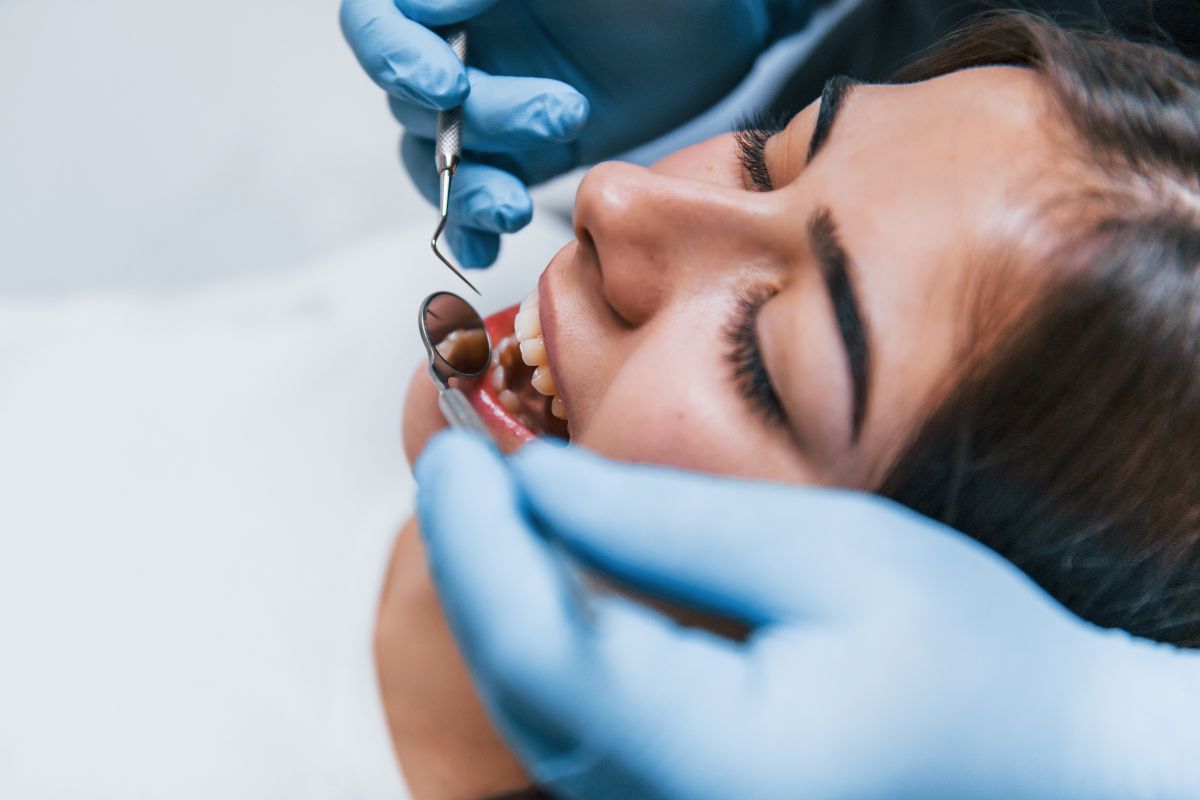
Living in Yuma means embracing endless sunshine and that signature dry heat that defines our desert home. But while we’re soaking up the rays, our smiles face unique hurdles from the relentless arid air. As a dedicated dental professional here in town, I’ve seen how the low humidity can quietly impact oral wellness. The good part? Simple, everyday adjustments can make a world of difference. Let’s explore hands-on strategies to protect your teeth and gums, keeping them strong against the Southwest’s toughest elements.
Understanding Yuma’s Unique Climate Challenges for Oral Health
Yuma’s weather is no joke. Summers push past 100°F regularly, with humidity dipping under 20%. This setup accelerates dehydration. Saliva production drops, and that’s a problem because saliva naturally cleanses your mouth and fights acids.
In dry zones like ours, issues spike. Tooth decay ramps up. Gums get irritated faster. Halitosis sticks around. Data from Arizona dental studies reveal xerostomia affects over 15% of residents in desert areas—more than in wetter regions. Children and older adults suffer most, as their systems shed moisture quickly in the blaze.
Picture this: A short outdoor errand leaves you thirsty. Your oral cavity does the same. Microbes flourish in the parched environment, forming plaque that hardens into tartar. Untreated, it invites periodontal problems, progressing stealthily.
Essential Hydration Strategies to Combat Dry Mouth
Prioritize fluids. Target at least eight cups of water each day, ramping up during heatwaves. Sip consistently to sustain moisture levels and clear away particles.
Dodge dehydrators. Coffee and sugary beverages pull water out. Choose unsweetened options or fruit-infused water for variety, minus the enamel wear.
Tote a water container always. Use app alerts for reminders. When rare rains hit, seize the moisture boost to replenish deeply, priming for drier spells.
Quick advice: Swish water post-snacks. It neutralizes residues swiftly. In arid settings, this cuts decay odds by nearly 25%.
Boosting Saliva Production Naturally in the Heat
Beat dryness head-on. Pop sugar-free gum after meals. Varieties with xylitol battle germs effectively while stimulating salivary glands.
Crunch on hydrating veggies and fruits. Celery, cucumbers, and watermelon scrub surfaces and add natural wetness. Toss in almonds for lasting chew.
Steer clear of nighttime mouth breathing. It exacerbates overnight dryness. Nasal aids help if the sinuses act up. Add a humidifier to your sleep space at 40-50% for indoor relief.
Locals often report less tackiness and healthier tissues with these tweaks.
Optimizing Your Brushing and Flossing Routine for Desert Days
Commit to brushing twice daily. Select gentle bristles and fluoride formulas to reinforce against erosion from windswept dust. Brush for two full minutes at a gumline angle.
Floss every evening. It targets hidden crevices where debris lodges in our dusty air. Use smooth motions to avoid injury.
Consider powered brushes. They outperform manuals by 25% in low-moisture mouths. Finish with a fluoride rinse for extended safeguarding.
Dietary Choices That Support Oral Health in Arid Conditions
Nourish wisely. Embrace dairy and greens for calcium to bolster defenses.
Limit clingy candies. They linger in dehydrated mouths, fueling decay. Favor whole foods over refined.
Citrus in check. Enjoy sparingly, then rinse to protect surfaces. Antioxidant-rich options like berries curb swelling.
High-water eats help too. Think melons or salads—they hydrate while satisfying. Steer from excess salt to prevent further drying.
| Oral Health Risk in Dry Climates | Prevalence in the Arizona Deserts | Prevention Impact |
|---|---|---|
| Dry Mouth (Xerostomia) | Over 15% of adults | 35% reduction with consistent hydration |
| Cavities | 30% higher than the national average | 45% less with fluoride routines |
| Gum Disease | Impacts 55% of seniors | 30% drop through daily flossing |
| Tooth Sensitivity | Affects 20% of locals | Reduced by 55% via xylitol products |
These figures, pulled from state health insights, underscore how focused actions diminish dangers.
Home Remedies and Tools Tailored for Yuma Living
Grab over-the-counter mouth sprays for instant relief. Ideal for long commutes through the sands.
Apply aloe for gum soothing. A light touch post-cleaning cools in our warmth.
Tongue scraping daily banishes odor-causing layers. Weekly oil pulling with coconut oil draws impurities.
Shield brushes from UV with covered holders. Our sun degrades them quickly. Keep them aired to dodge bacteria, echoing outdoor hygiene.
Trending FAQs on Oral Care in Yuma’s Heat
Wondering how to tackle the desert’s effects on your pearly whites? Based on frequent searches, here are key questions:
- How does a dry climate affect your teeth? It reduces saliva, heightening risks for decay and infections. Counter with extra moisture and cleanings.
- What causes dry mouth in hot, dry weather? Mainly dehydration from heat and low humidity. Caffeine and meds can worsen it.
- How can I prevent dry mouth in a desert area? Hydrate often, chew xylitol gum, and use humidifiers indoors.
- Does extreme heat lead to tooth sensitivity? Yes, by exposing nerves through thinned enamel. Desensitizing pastes offer quick help.
- How frequently should I visit a dentist in arid climates? Every six months, or sooner if symptoms arise, for tailored checks.
These cover the top concerns from online queries.
If you are searching for a Yuma dentist, consider one attuned to our local environment for personalized guidance.
Adopting these practices builds lasting protection. Your grin shines amid Yuma’s vibrant landscapes.
As a committed dental expert in Yuma, AZ, I encourage weaving these tips into your daily life. Small shifts deliver major benefits. To discuss your needs or book a visit at our Central Yuma office or reach out at 928-249-3673. Together, we’ll ensure your smile thrives in the desert.