As a parent, you want your baby to have a bright, healthy smile. But did you know that baby bottle tooth decay can harm those tiny teeth early on? This common issue, also called early childhood caries, affects many infants and toddlers. The good news? You can prevent it with simple steps. This guide shares practical tips to keep your child’s teeth strong and healthy, addressing common concerns with expert advice.
What Is Baby Bottle Tooth Decay?
Baby bottle tooth decay happens when a child’s teeth are exposed to sugary liquids for long periods. Milk, formula, or juice in a bottle can pool around teeth, especially during sleep. Bacteria in the mouth feed on these sugars, producing acids that erode tooth enamel. This leads to cavities, discoloration, or even tooth loss in severe cases.
Why Prevention Matters
Healthy baby teeth are crucial for chewing, speaking, and guiding adult teeth into place. Decay can cause pain, infections, and costly dental visits. Early prevention builds lifelong oral health habits. Let’s explore how to protect your child’s smile.
Key Steps to Prevent Baby Bottle Tooth Decay
Limit Sugary Drinks in Bottles
Bottles with milk, formula, or juice can harm teeth if used for too long. Offer these drinks during meals, not as a pacifier. Avoid letting your child fall asleep with a bottle, as this increases decay risk. Instead, use water in bottles between meals or at bedtime.
Clean Teeth Early
Start oral care before the first tooth appears. Wipe your baby’s gums with a clean, damp cloth after feedings. Once teeth erupt, brush them gently with a soft, infant-sized toothbrush and a smear of fluoride toothpaste (about the size of a rice grain). For children under 3, consult a kids’ dentist in Yuma, AZ, to ensure proper technique.
Avoid Sharing Germs
Bacteria that cause decay can spread from parents to babies. Don’t share spoons, clean pacifiers with your mouth, or taste food with the same utensil. Keeping your own oral health in check also reduces the risk of passing harmful bacteria to your child.
Schedule Early Dental Visits
The American Academy of Pediatric Dentistry recommends a first dental visit by age 1 or when the first tooth appears. Regular checkups in a pediatric dentistry in Yuma, AZ, help catch issues early. Dentists can apply fluoride treatments or sealants to protect teeth.
Wean Off Bottles by Age 1
Prolonged bottle use increases decay risk. Transition to a sippy cup by 12 months. Choose cups with no-spill valves to reduce liquid pooling around teeth. Encourage drinking water to rinse away sugars and promote saliva production.
Healthy Feeding Habits
Breastfeeding and Tooth Decay
Breastfeeding offers many benefits, but prolonged nighttime feeding can contribute to decay. After 6 months, introduce water to rinse the mouth post-feeding. Brush teeth before bed to remove any milk residue.
Pacifiers and Sippy Cups
Dipping pacifiers in honey or sugar is a big no-no. It introduces sugars directly to teeth. Similarly, avoid filling sippy cups with juice or soda. Stick to water or unsweetened herbal teas for hydration.
Trending FAQs on Baby Bottle Tooth Decay
Parents often have questions about protecting their child’s teeth. Here are answers to some of the most searched questions:
What causes baby bottle tooth decay?
Sugary liquids like milk or juice lingering on teeth feed bacteria, leading to enamel erosion and cavities.At what age should I start brushing my baby’s teeth?
Begin cleaning gums with a cloth from infancy. Brush teeth with a tiny amount of fluoride toothpaste once they appear.Can breastfeeding cause tooth decay?
Yes, if milk pools around teeth during frequent nighttime feedings. Rinsing with water and brushing help prevent decay.When should my child see a dentist?
Schedule the first visit by age 1 or when the first tooth erupts for preventive care and guidance.How do I know if my baby has tooth decay?
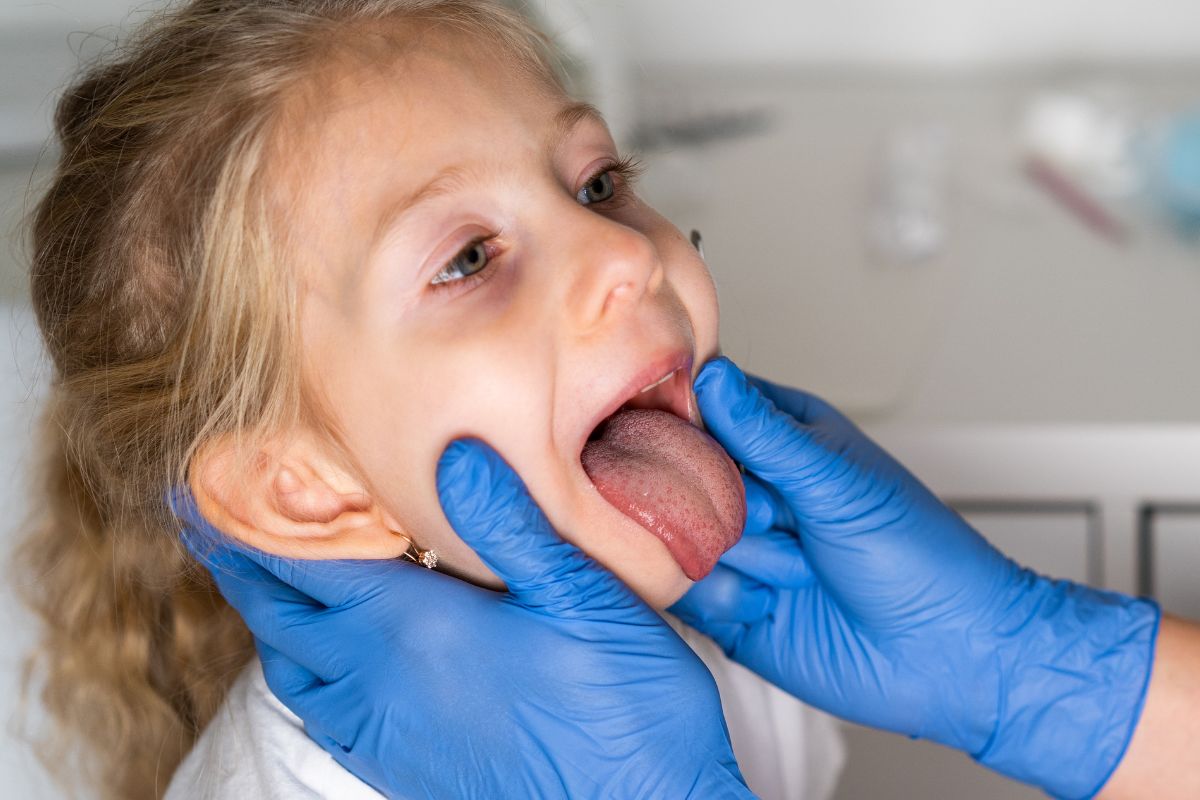
Look for white spots, brown discoloration, or sensitivity. A dentist can confirm with an exam.
Building Lifelong Oral Health Habits
Prevention goes beyond bottles and brushing. Teach your child to enjoy dental care. Make brushing fun with songs or colorful toothbrushes. Offer healthy snacks like fruits and veggies instead of sugary treats. Limit sticky foods like candies that cling to teeth. These habits set the stage for a cavity-free smile.
Partner with a Pediatric Dentist
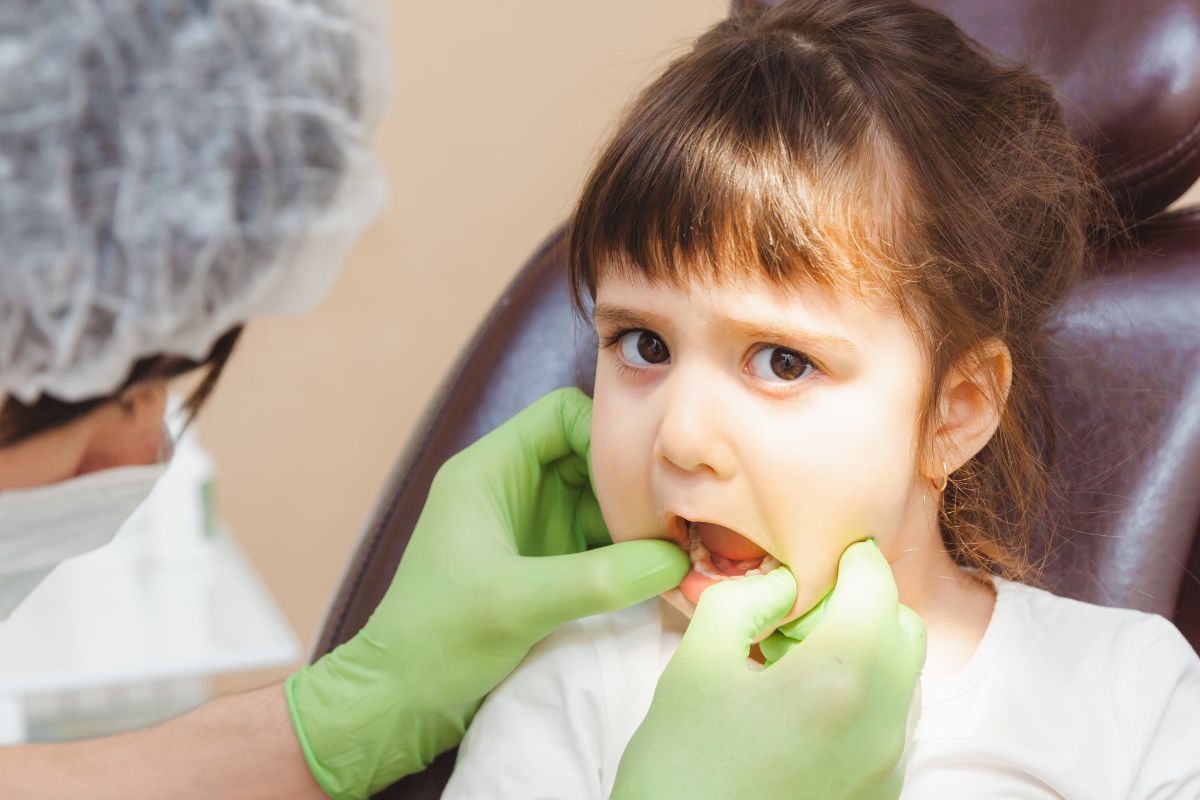
A pediatric dentist specializes in children’s unique dental needs. They create a welcoming environment, easing anxiety for both you and your child. Regular visits ensure teeth develop properly and catch issues before they worsen. Look for a trusted professional who prioritizes education and prevention.
Common Mistakes to Avoid
Ignoring early signs: White spots or discoloration are early decay warnings. Act quickly to prevent worsening.
Overusing bottles: Prolonged bottle use past age 1 increases decay risk. Transition early to cups.
Skipping dental visits: Early checkups are vital, even if teeth seem fine. Prevention is better than treatment.
Using sugary pacifiers: Never coat pacifiers in sweet substances, as this directly harms teeth.
A Bright Smile for Your Child
Protecting your baby’s teeth from bottle decay is simple with the right steps. Start early, stay consistent, and partner with a dental expert. By fostering good habits now, you’re giving your child a healthy smile for life. Take action today—wipe those gums, brush those tiny teeth, and schedule that first dental visit. Your baby’s grin is worth it!