Dental implants have become a go-to solution for replacing missing teeth, offering a natural look and feel that can last for decades with proper care. However, while they boast an impressive success rate, there are instances where implants fail, leaving patients concerned and seeking answers. If you’re considering this procedure or already have implants, understanding the causes of failure and how to prevent them is key to ensuring a healthy, confident smile. In this blog, we’ll explore the common reasons behind dental implant failure, share practical prevention tips, and address frequently asked questions to help you make informed decisions about your oral health.
Understanding Dental Implants: A Quick Overview
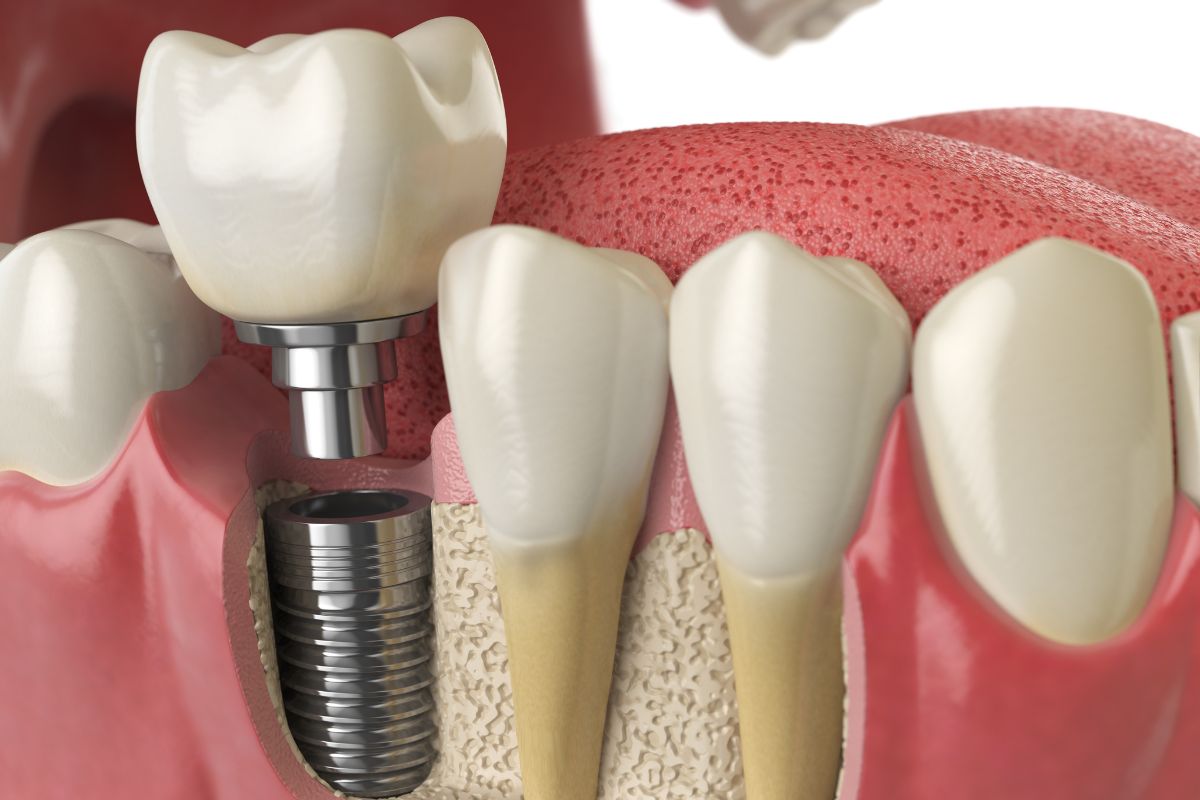
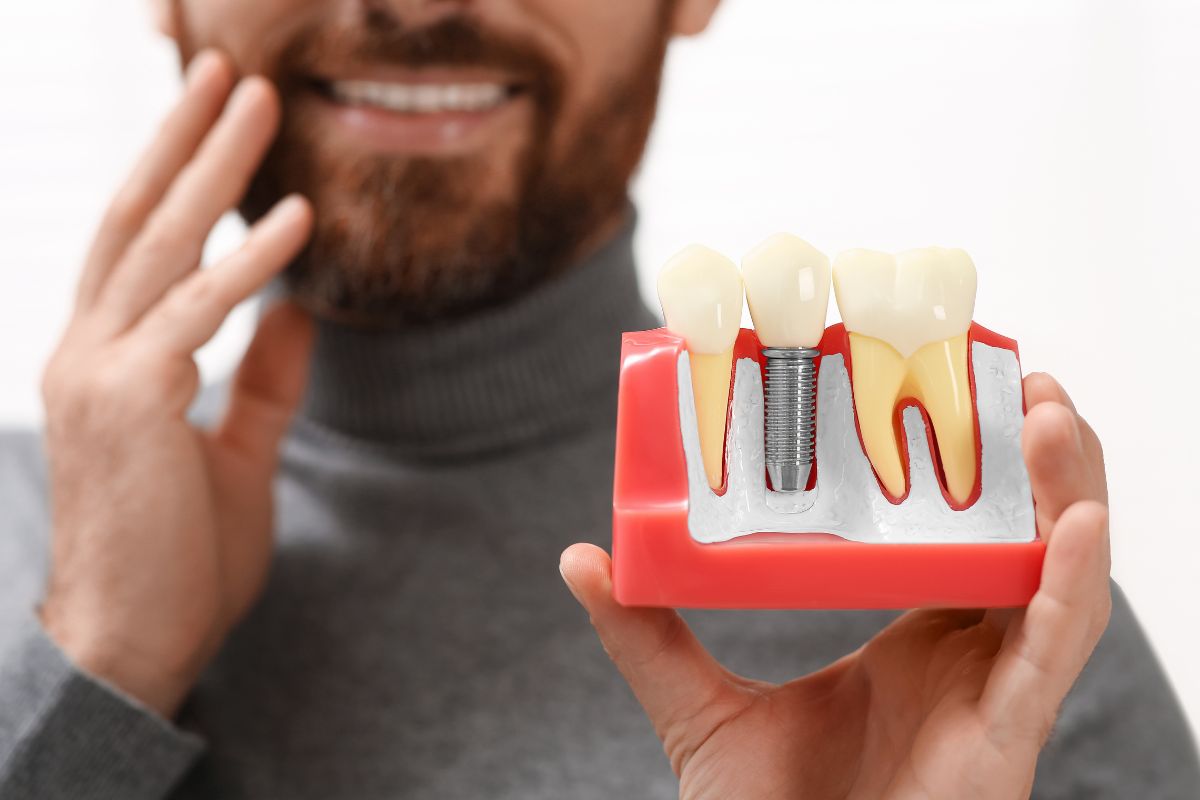
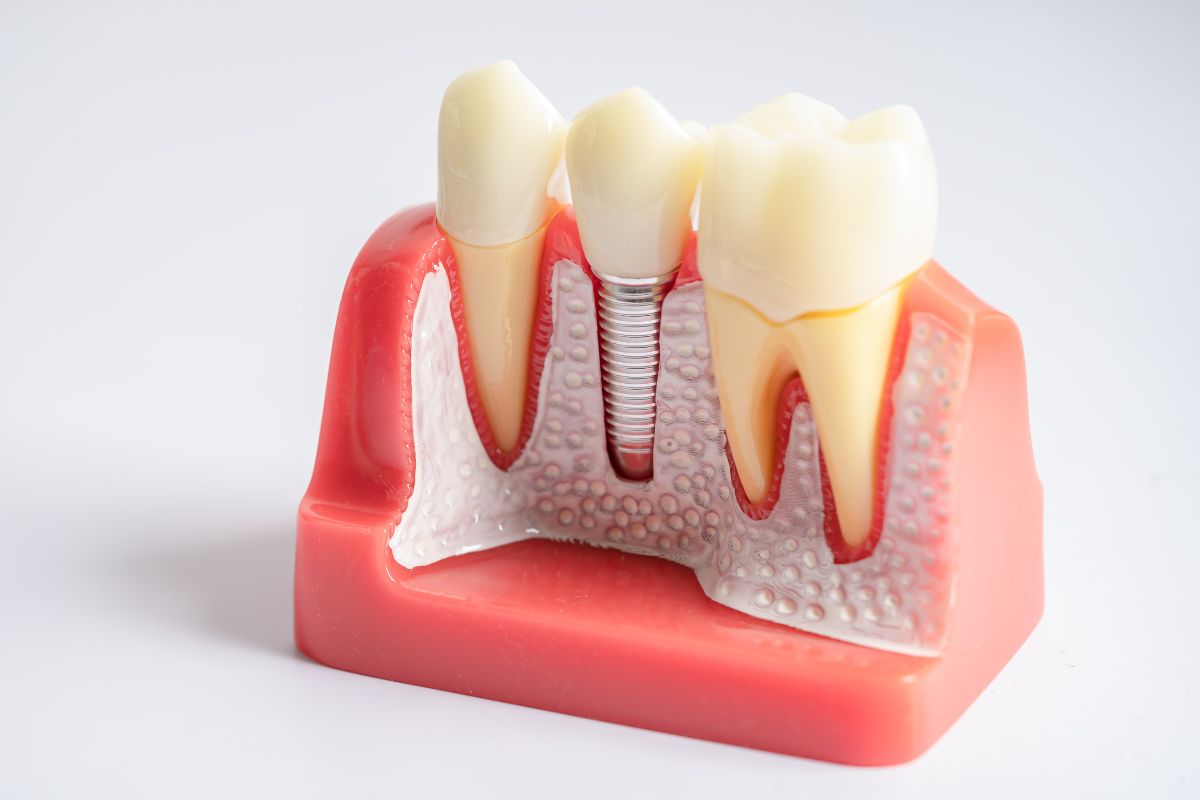
Dental implants are titanium posts surgically placed into the jawbone to act as artificial tooth roots. Through a process called osseointegration, the implant fuses with the bone, providing a stable base for a crown, bridge, or denture. This innovative procedure mimics the function of natural teeth, allowing patients to chew, speak, and smile with confidence. According to the American Academy of Implant Dentistry, over 3 million people in the U.S. have implants, with a success rate of around 98%. Despite this high success rate, failures can occur, often due to preventable factors. Let’s dive into the reasons why implants might fail and how you can safeguard your investment in oral health.
Common Causes of Dental Implant Failure
Dental implant failure can occur for a variety of reasons, ranging from biological issues to lifestyle factors. Understanding these causes can help you take proactive steps to avoid complications.
Poor Osseointegration
Osseointegration is the process where the implant fuses with the jawbone. If this process doesn’t occur properly, the implant may become loose or fail entirely. This can happen due to insufficient bone density, improper implant placement, or excessive pressure on the implant during the healing phase. Patients with conditions like osteoporosis or those who have experienced significant bone loss may be at higher risk.
Peri-Implantitis and Infections
Peri-implantitis is a gum infection that develops around the implant, similar to gum disease around natural teeth. It’s caused by bacterial buildup, often due to poor oral hygiene, and can lead to inflammation and bone loss if untreated. This infection can weaken the implant’s foundation, causing it to fail. Early signs include redness, swelling, or bleeding gums around the implant site.
Mechanical Issues
Implants can sometimes fail due to mechanical problems, such as a fractured implant, loose screws, or a damaged crown. These issues may arise from excessive force, like grinding teeth (bruxism), or from an implant that wasn’t properly designed for the patient’s bite. Regular dental checkups can help identify and address these problems before they lead to failure.
Lifestyle Factors
Certain lifestyle habits can increase the risk of implant failure. Smoking, for example, impairs blood flow to the gums, slowing healing and increasing the likelihood of infection. Excessive alcohol consumption can also interfere with the body’s ability to heal. Additionally, poor nutrition, lacking essential vitamins like calcium and vitamin D, can weaken bones and gums, compromising the implant’s stability.
Medical Conditions
Underlying health conditions can play a role in implant failure. Uncontrolled diabetes, for instance, can slow healing and increase infection risk. Autoimmune diseases or medications that suppress the immune system may also hinder the body’s ability to integrate the implant. It’s crucial to discuss your medical history with your dental professional before undergoing the procedure.
Prevention Tips for Long-Lasting Dental Implants
While some factors are beyond your control, many causes of implant failure can be prevented with proper care and attention. Here are actionable tips to help ensure your implants thrive.
Maintain Excellent Oral Hygiene
Good oral hygiene is the cornerstone of implant success. Brush twice daily with a soft-bristled toothbrush and floss carefully around the implant to remove plaque and bacteria. Using an antimicrobial mouthwash can also help reduce the risk of infection. For those with implants in Yuma, AZ, local dental practices often provide tailored advice on keeping your implants clean and healthy.
Schedule Regular Dental Checkups
Routine visits to a dentist near you are essential for monitoring the health of your implants. A professional can spot early signs of issues like peri-implantitis or mechanical wear and address them before they escalate. Regular cleanings also help remove tartar buildup that can’t be managed at home, keeping your gums and implants in top shape.
Avoid Harmful Habits
If you smoke, consider quitting or reducing your intake, as smoking significantly increases the risk of implant failure. Avoid chewing on hard objects like ice or pens, which can damage the implant or crown. If you grind your teeth, talk to your dentist about a custom nightguard to protect your implants from excessive pressure.
Support Healing with a Healthy Diet
A balanced diet rich in calcium, vitamin D, and protein supports bone health and healing. Foods like dairy, leafy greens, and lean meats can strengthen your jawbone and gums. During the initial healing phase after implant placement, stick to soft foods like yogurt, smoothies, and mashed potatoes to avoid putting stress on the implant site.
Manage Underlying Health Conditions
If you have a condition like diabetes, work with your healthcare provider to keep it under control before and after implant surgery. Inform your dentist of any medications you’re taking, as some may affect healing. A collaborative approach between your medical and dental teams can help minimize risks.
Trending FAQs on Dental Implant Failure
To address common concerns, here are answers to some frequently asked questions about dental implant failure, sourced from popular Google searches:
- What are the signs of dental implant failure? Early signs include pain, swelling, or redness around the implant, while later signs may involve a loose implant or difficulty chewing.
- How long does it take for an implant to fail? Failure can occur within weeks if osseointegration doesn’t happen, or years later due to infection or mechanical issues.
- Can a failed implant be replaced? Yes, after addressing the cause of failure and allowing the site to heal, a new implant can often be placed successfully.
- Does smoking cause implant failure? Smoking increases the risk by impairing healing and raising the likelihood of infection, but quitting can improve outcomes.
The Importance of Choosing the Right Dental Professional
The success of your implants largely depends on the expertise of the dental professional performing the procedure. A skilled oral surgeon or implantologist will assess your bone health, medical history, and oral condition to ensure the implant is placed correctly. They’ll also provide detailed aftercare instructions to support healing. When selecting a provider, look for someone with experience in implantology, positive patient reviews, and a commitment to ongoing education in the field. This ensures you’re in capable hands for both the procedure and any follow-up care.
Dental implants can be a life-changing solution for missing teeth, offering functionality and aesthetics that boost your confidence and quality of life. By understanding the causes of implant failure and taking proactive steps to prevent it, you can enjoy the benefits of your implants for years to come. Prioritize oral hygiene, make healthy lifestyle choices, and maintain a strong partnership with a dentist near you to safeguard your smile. If you’re considering implants or have concerns about an existing one, don’t hesitate to reach out to a trusted expert for guidance tailored to your needs.