You just had your dental implant placed. The procedure went well, your dentist gave you the go-ahead, and you’re on your way to a restored smile. But then you notice something unexpected, a strange, metallic taste lingering in your mouth. Is that normal? Should you be worried?
At Gila Ridge Dental, we hear this question from patients more often than you might think. And the honest answer is that, in most cases, a metallic taste after dental implant treatment is completely normal. It’s a temporary part of the healing process, and it usually takes care of itself. But understanding why it happens and knowing when it might point to something that needs attention can give you real peace of mind during your recovery.
Let’s walk through everything you should know.
What Exactly Is That Metallic Taste?
The medical term for a persistent metallic, bitter, or copper-like taste in the mouth is dysgeusia, a change in normal taste perception. It can feel like you’re constantly chewing on a coin, or like your morning coffee has taken on a strange, iron-like edge.
After a dental implant procedure, this sensation can range from mild to more noticeable, and it may come and go throughout your recovery. Most patients find it fades within a few days to a few weeks. But to understand why it happens, it helps to look at what’s actually going on in your mouth after the implant is placed.
Common Reasons You May Experience a Metallic Taste
1. Normal Healing and Mild Bleeding
Right after your implant is placed, your body immediately gets to work healing the surgical site. During those first couple of days, mild bleeding or inflammation around the gum tissue is completely expected. Blood carries iron, which your taste buds can pick up, creating that familiar metallic sensation.
This is one of the most common and straightforward reasons for the taste, and it typically resolves within a few days as the bleeding stops and the initial swelling begins to subside.
2. Post-Procedure Medications
If your dentist prescribed antibiotics or pain relievers after your procedure, those medications could also be playing a role. Certain antibiotics are well known for leaving a metallic aftertaste, and some pain medications or anti-inflammatory drugs can temporarily shift how things taste to you.
If you started noticing the taste around the time you began your medication, that’s worth keeping in mind. Once your prescription course is complete, the taste often resolves on its own.
3. Dry Mouth
Reduced saliva flow can make any odd taste in your mouth far more noticeable. After a dental procedure, it’s common to experience some degree of dry mouth, whether from the medications you’re taking, stress, or simply not drinking enough water during recovery.
Saliva plays an important role in neutralizing tastes and keeping your mouth feeling clean. When there’s less of it, metallic or unusual flavors tend to stick around longer.
4. Oral Hygiene Challenges During Recovery
In the days following your implant placement, brushing and flossing around the surgical site require extra care. This can make it harder to keep the area fully clean, and any buildup of plaque or food particles near the implant site can contribute to unpleasant tastes.
This isn’t a sign that anything has gone wrong; it’s just a natural side effect of the careful, gentle cleaning approach required right after surgery.
5. Galvanic Reaction (Rare)
In some cases, if you have older metal restorations like amalgam fillings alongside a new titanium implant, a mild electrical interaction between the two metals can occur. This is called a galvanic reaction, and it can sometimes produce a metallic taste.
This scenario is uncommon, but it’s worth mentioning to your dentist if you suspect it might apply to you.
6. Titanium Sensitivity (Very Rare)
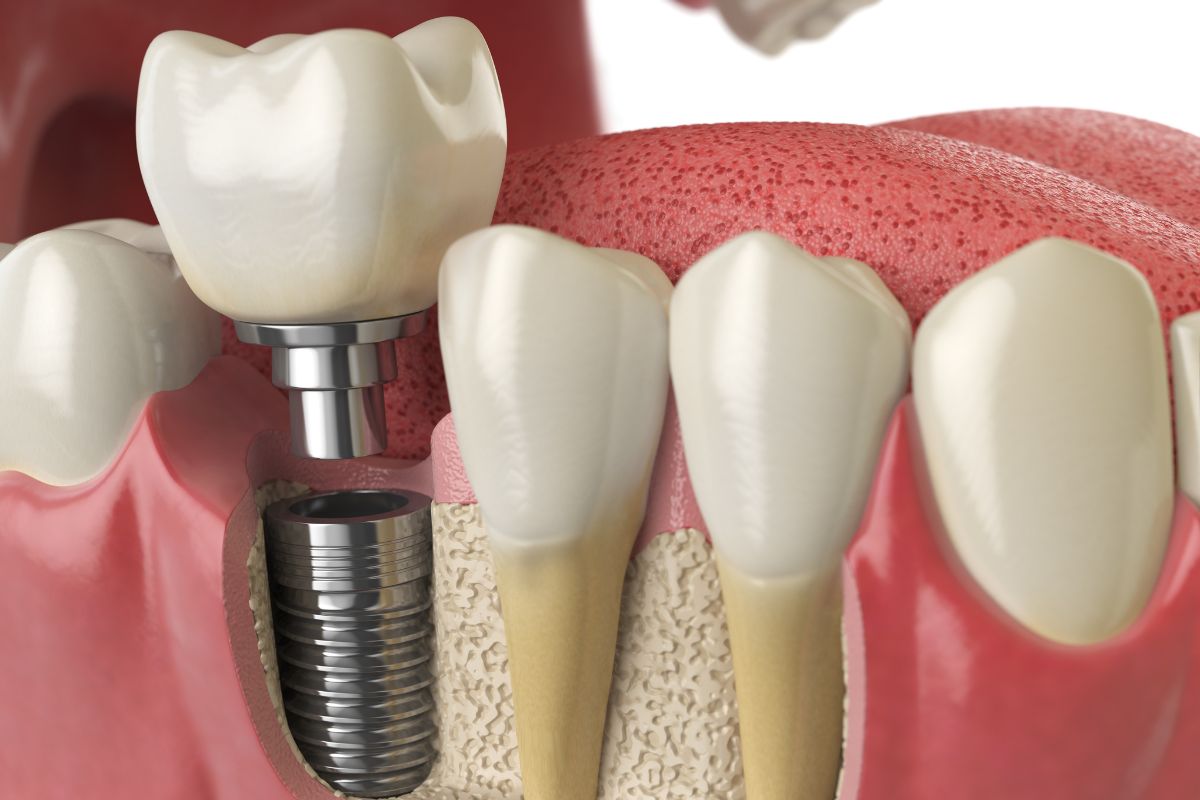
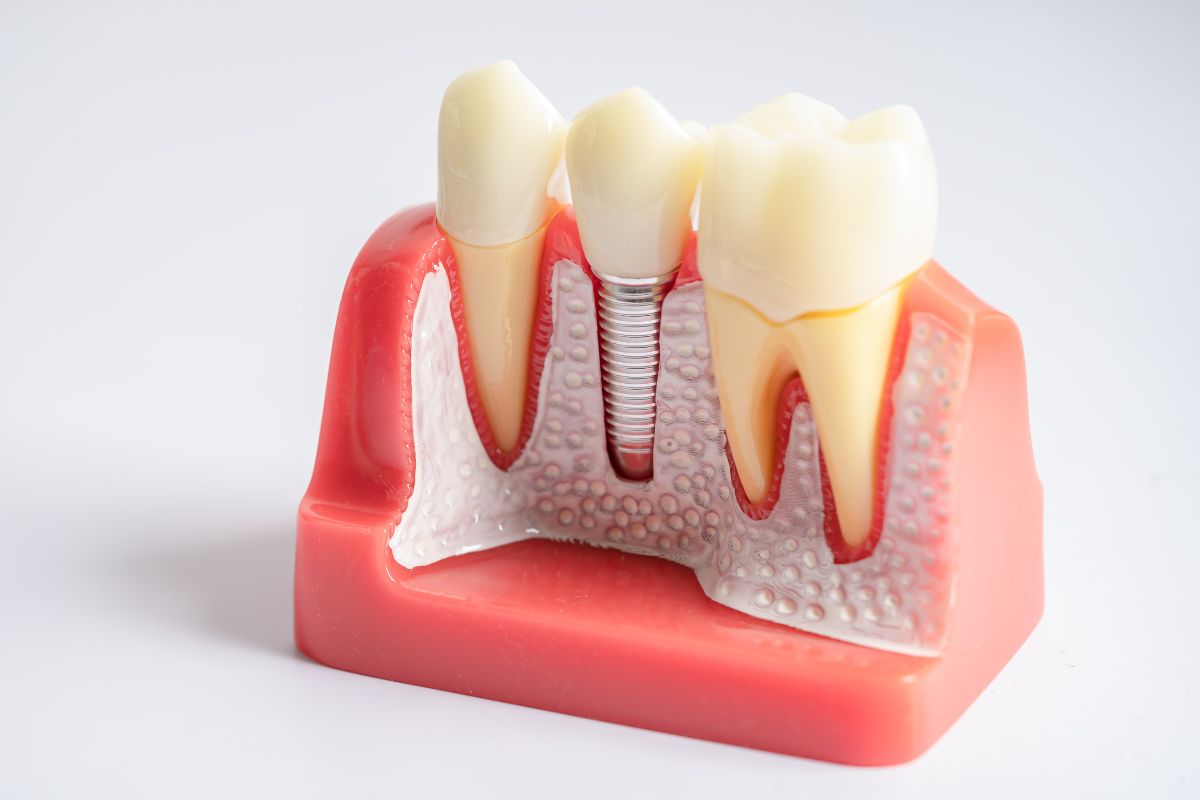
Most dental implants are made from titanium, which is widely used in both dental and medical procedures because it is highly biocompatible, meaning it naturally integrates with the body without triggering a reaction in the vast majority of patients.
True titanium sensitivity is extremely rare. If the metallic taste is accompanied by symptoms like persistent swelling, itching, or pain well beyond the expected healing window, let your dental team know so they can evaluate what’s going on.
How Long Does the Metallic Taste Last?
Most patients notice improvement within several days to a few weeks. The exact timeline depends on healing speed, oral hygiene habits, medications, and overall health.
| Time After Surgery | What You May Experience |
| First 24-48 Hours | Blood-related metallic taste is most common |
| Days 3-7 | Healing tissues and medications may continue affecting taste |
| Weeks 1-3 | Most patients notice steady improvement |
| Weeks 3-6 | Taste sensations often return to normal |
| Beyond 6 Weeks | Persistent symptoms should be professionally evaluated |
If the metallic taste becomes stronger instead of improving, a dental examination may be recommended.
When Should You Be Concerned?
A metallic taste on its own, in the first few days or weeks after your procedure, is generally not a cause for alarm. However, you should contact your dental office if you notice:
- The taste is getting worse, not better, over time
- Persistent or worsening pain at the implant site
- Noticeable swelling, redness, or warmth around the gum area that isn’t improving
- Bleeding that doesn’t settle down
- A foul taste or bad breath that doesn’t go away with normal oral hygiene
- Visible loosening or movement around the implant
These symptoms together could be early signs of peri-implantitis, an infection of the tissue surrounding the implant, which is manageable when caught early. The sooner you bring these concerns to your dentist, the better the outcome.
What Can You Do to Feel More Comfortable?
The good news is that there are several simple things you can do to ease the metallic taste while your mouth heals.
- Stay well hydrated: Drinking plenty of water throughout the day helps rinse the mouth naturally and keeps saliva levels where they should be. Dehydration can make unusual tastes more noticeable, so keeping up with your water intake is one of the easiest things you can do.
- Rinse gently after meals: A gentle saltwater rinse can help keep the surgical area clean and reduce any lingering tastes. Your dentist may also recommend an antibacterial mouthwash; follow their guidance on when and how to use it.
- Brush carefully but consistently: Use a soft-bristled toothbrush and brush gently around the implant site, being careful not to disturb the healing tissue. Consistent oral hygiene prevents bacteria from accumulating and causing unwanted flavors.
- Avoid acidic or strongly flavored foods: Acidic foods and beverages can irritate the healing tissue and make taste distortions feel worse. Sticking to softer, milder foods in the early recovery days can make a real difference.
- Skip smoking: Smoking slows down the healing process significantly and can increase the risk of infection, both of which can contribute to prolonged or worsening taste issues after implant surgery.
- Chew sugar-free gum (when cleared to do so): Sugar-free gum can stimulate saliva production, which naturally cleanses the mouth and helps neutralize metallic flavors.
Have Questions or Concerns About Your Recovery? Contact Us.
Every patient’s healing journey is a little different. If you’re unsure whether what you’re experiencing is normal or if something just doesn’t feel right, contact us. It’s always better to ask questions and get peace of mind during the healing process. Our team is here to guide you through your recovery and help make sure everything is healing properly and staying on track.
Tips for a Smooth Implant Recovery Overall
The best way to avoid complications, including prolonged taste issues, is to follow your post-procedure care instructions closely. Here are a few reminders that go a long way:
- Attend all your follow-up appointments so your dentist can monitor how the implant is integrating
- Keep up with twice-daily brushing and flossing as soon as your dentist clears you to resume normal hygiene
- Let your dental team know about any medications you start or stop, since these can affect healing
- Give your body time to heal. Pushing through discomfort or skipping rest can slow the process
Do Dental Implants Themselves Actually Cause the Taste?
This is a fair question, and it’s worth addressing directly. Titanium, the material used in the vast majority of implants, is not the primary cause of a metallic taste. Titanium is highly biocompatible, and the implant itself typically does not dissolve or release particles into the mouth that would cause a sustained metallic flavor.
The taste is almost always connected to indirect factors: the healing process, medications, oral hygiene during recovery, or environmental conditions in the mouth. That’s reassuring, because it means the sensation is almost always something that resolves as your mouth gets back to normal.
Keeping Your Mouth Comfortable and Your Recovery on Track: That’s What We’re Here For
A metallic taste after your dental implant procedure can feel unsettling, but it’s one of the most common and manageable parts of the healing process. With the right aftercare, a little patience, and good communication with your dental team, it typically fades without any lasting effects.
At our dental practice, we’re committed to making sure every step of your implant journey, from the initial consultation through your full recovery, is as smooth and comfortable as possible. Our team takes the time to walk you through what to expect, answer your questions honestly, and be there when something comes up along the way. If you’ve been considering dental implant treatment in Yuma, AZ, or if you’re already in the healing process and want some guidance, we’d love to help. Request an appointment today, and let us make sure your smile gets the care and attention it deserves.
Patient Questions We Often Hear
Can I eat normally right after my implant is placed?
Stick to soft foods for the first several days to avoid putting pressure on the healing site. As recovery progresses, your dental team will let you know when it’s safe to reintroduce your regular diet.
Will the metallic taste affect my ability to taste other foods normally?
Usually not in a major way. You may notice certain flavors seem slightly off, but complete taste disruption is uncommon. As healing progresses and medications are finished, your normal sense of taste typically returns.
Is it safe to use mouthwash after my dental implant surgery?
Alcohol-based mouthwashes are generally not recommended right after surgery as they can irritate healing tissue. Your dentist may suggest a gentle saltwater rinse or a specific antibacterial rinse; always check before adding anything new to your routine.
My metallic taste came back weeks after it had gone away. Should I be worried?
It could be related to a new medication or a change in oral hygiene habits, but if it’s accompanied by swelling, discomfort, or any changes around the implant site, contact your dentist for a check-in sooner rather than later.
Can stress after surgery affect the way things taste?
Yes. Stress can reduce saliva production, leading to a dry mouth, which makes unusual tastes more noticeable. Getting proper rest and managing stress during recovery can genuinely make the healing process more comfortable.