

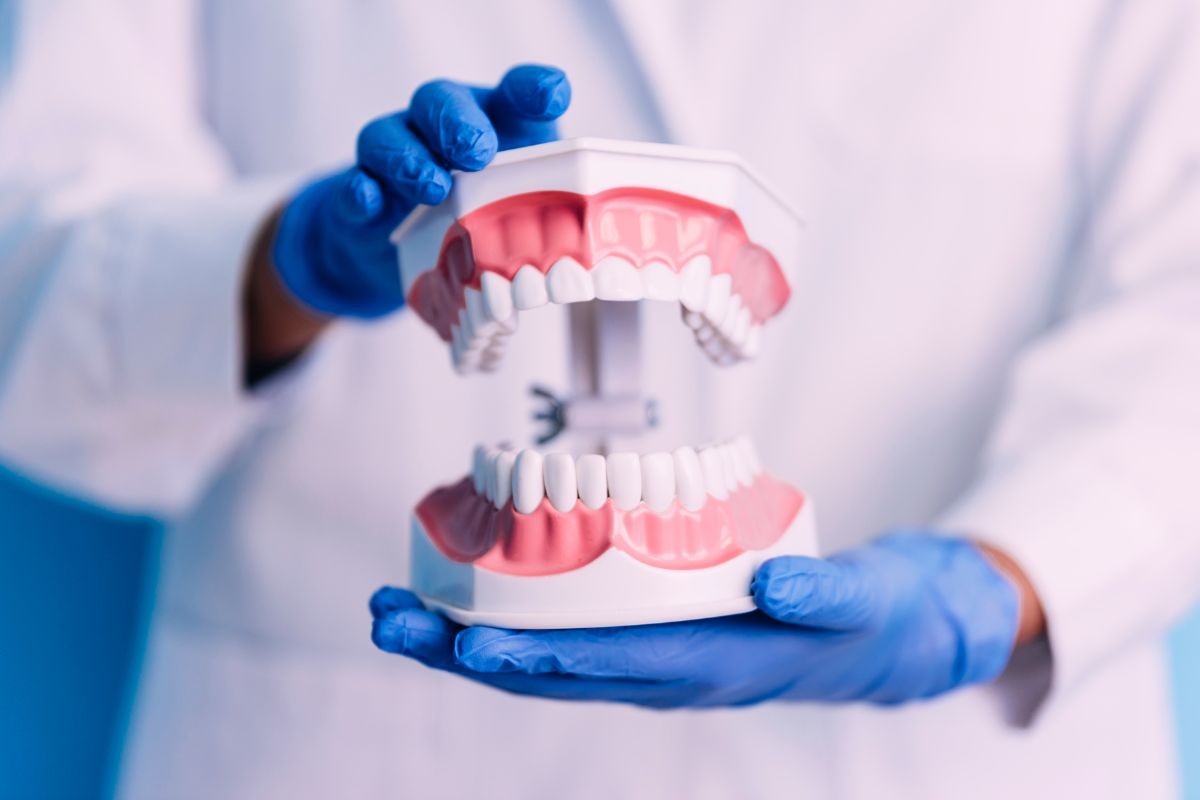
Losing teeth can change more than the way your smile looks. It can make chewing certain foods harder, affect how clearly you speak, and leave you wondering what options are available to replace missing teeth. If you are considering dentures and partials, understanding the difference between the two can make the decision feel much less confusing.
Dentures are removable dental appliances designed to replace missing teeth and make everyday activities such as eating and speaking easier. But not everyone needs the same type of denture. Some people may need to replace all the teeth in an upper or lower arch, while others may still have healthy natural teeth that can remain in place.
So, how do you know whether full or partial dentures may be right for you? The answer depends on several factors, including how many teeth are missing, the condition of your remaining teeth, your gum health, and your overall oral needs. Understanding how each option works can help you have a more informed conversation with your dentist about your tooth-replacement choices.
What Are Full Dentures?
Full dentures, sometimes called complete dentures, replace all the teeth in one dental arch.
For example, if all the teeth in your upper arch need to be replaced, you may receive a complete upper denture. If both the upper and lower arches are missing teeth, complete dentures may be made for both.
Full dentures sit over the gums and are designed to provide support while you eat and speak. A properly fitted denture should feel secure during normal activities, although it can take some time for your mouth to adjust to wearing it.
Who May Need Full Dentures?
Full dentures may be considered when:
- Most or all teeth in an arch are missing.
- Remaining teeth are too damaged or unhealthy to be preserved.
- Several teeth need to be removed, and another tooth-replacement option is not appropriate.
- A person needs to replace an entire upper or lower arch.
The decision should not be based only on the number of missing teeth. Your dentist will also need to look at the health of your gums, remaining teeth, and the tissues supporting the denture.
What Are Partial Dentures?
Partial dentures are designed for people who have several missing teeth but still have some natural teeth remaining.
Unlike full dentures, partial dentures fit around your existing teeth. Depending on the design, they may use a framework or clasps to gain support from the natural teeth. This allows the replacement teeth to fill the spaces created by tooth loss while leaving healthy natural teeth in place.
Who May Need Partial Dentures?
Partial dentures may be considered when:
- Several teeth are missing.
- Some natural teeth remain healthy enough to provide support.
- The missing teeth are creating noticeable gaps.
- Tooth loss is affecting chewing or speaking.
- A removable tooth-replacement option is appropriate.
Keeping healthy natural teeth is important when possible. Your dentist will evaluate those teeth before deciding whether they can safely support a partial denture.
Full Dentures vs. Partial Dentures: What’s the Difference?
The biggest difference is simple: full dentures replace all teeth in an arch, while partial dentures replace some missing teeth while working around the natural teeth that remain.
However, there are a few other differences worth understanding.
Number of Missing Teeth
If all teeth in an arch are missing or need to be replaced, a full denture may be considered.
If you still have several healthy natural teeth, a partial denture may be an option.
How They Stay in Place
Full dentures rest over the gums and rely on their fit and the shape of the mouth for stability. In some situations, a dentist may also recommend a denture adhesive for additional stability.
Partial dentures can gain additional support from the natural teeth they are designed around. The exact design depends on the location of the missing teeth and the condition of the remaining teeth.
Eating and Speaking
Both types of dentures are intended to help restore everyday functions affected by tooth loss.
However, you may need some time to become comfortable eating and speaking with either type. Starting with softer foods and gradually introducing foods with different textures can make the adjustment easier.
Speaking may also feel different at first. Practicing words aloud can help your tongue and mouth become accustomed to the new appliance.
Daily Care
Both full and partial dentures require regular cleaning.
Partial denture wearers also need to continue caring for their natural teeth and gums. Those teeth are important for maintaining oral health and, in some cases, supporting the partial denture.
Which Type of Denture Might Be Right for You?
There is no single denture option that is right for everyone.
Your dentist may consider several things before recommending full or partial dentures, including:
- How many teeth are missing
- Where the missing teeth are located
- The condition of your remaining teeth
- Gum health
- The shape and condition of the jaw
- Your ability to clean and maintain the denture
- Your comfort and daily needs
- Other tooth-replacement options that may be appropriate
For example, someone who has lost every tooth in an arch would generally need a different type of restoration than someone who has only a few missing teeth and several strong natural teeth.
This is why an examination is an important part of the process. It gives your dentist an opportunity to evaluate your mouth rather than simply choosing a denture based on the number of missing teeth.
What Can You Expect When Getting Dentures?
Getting dentures usually involves several steps, and knowing what to expect can make the process easier.
1. Dental Examination
Your dentist will examine your teeth, gums, and the areas affected by tooth loss. If you still have natural teeth, their health will be an important part of determining whether a partial denture is appropriate.
2. Discussing Your Options
Your dentist will explain the available tooth-replacement choices and discuss the advantages and limitations of each option based on your situation.
3. Taking Measurements
Measurements and impressions of your mouth help create a denture that fits your oral structures more closely.
4. Creating and Fitting the Denture
The denture is made based on the measurements taken during your visits. Once it is ready, your dentist will check how it fits and functions.
5. Making Adjustments
It is not unusual to need minor adjustments after receiving a new denture. Your mouth may need time to adapt, and small areas of pressure or irritation may become noticeable during the early stages.
A denture that feels uncomfortable should not simply be ignored. Let your dentist know so the fit can be evaluated.
How Should You Care for Full or Partial Dentures?
Taking care of your dentures can help keep them clean and functioning properly.
Here are some everyday habits to follow:
- Clean your dentures regularly as recommended by your dentist.
- Handle them carefully when removing or inserting them.
- Clean your gums and mouth even when you are not wearing natural teeth in that area.
- Continue brushing and flossing any remaining natural teeth.
- Follow your dentist’s instructions about removing your dentures at night.
- Store dentures appropriately when they are not being worn.
- Avoid very hot water, which can potentially alter the shape of the appliance.
- Have your dentures checked if they become loose, uncomfortable, or difficult to use.
Your oral tissues and jaw can naturally change over time. As that happens, a denture that once fit well may eventually require an adjustment, relining, or replacement.
How Long Do Dentures Last?
Dentures are designed to be durable, but they do not last forever.
Changes in the gums and jawbone can affect how a denture fits over time. Normal wear can also affect the appliance. Gila Ridge Dental notes that dentures may last around five to eight years with proper care, although the actual lifespan can vary from person to person.
If your dentures begin to feel loose, cause sore areas, or make chewing more difficult, it may be time to have them evaluated.
Can Dentures Affect the Way You Eat or Speak?
Yes, especially when you first start wearing them.
Your tongue, cheeks, and jaw muscles need time to adjust to the new appliance. You may notice that certain foods feel more difficult to chew or that some words sound slightly different.
These changes often become easier with practice. Eating smaller bites, chewing slowly, and gradually working your way toward foods with different textures can help.
If problems continue, however, your dentist should check the fit. Persistent discomfort or difficulty chewing is not something you simply have to live with.
What Is the Role of Restorative Dentistry in Tooth Loss?
Restorative dentistry focuses on repairing or replacing teeth that have been damaged, decayed, or lost. Depending on the situation, treatment may include fillings, crowns, bridges, dental implants, dentures, or partial dentures.
Dentures are one part of restorative care. They may be considered when multiple teeth are missing, and a removable replacement is appropriate.
The goal is not simply to fill an empty space. Replacing missing teeth can help restore everyday functions such as chewing and speaking while supporting a healthier, more functional mouth.
Finding the Right Denture Option With Gila Ridge Dental
At Gila Ridge Dental, with multiple locations in Yuma, AZ, patients with missing teeth can discuss complete and partial denture options based on their individual oral health needs. The practice serves patients through its Central Yuma, West Yuma, and Foothills locations, offering restorative dental care that includes dentures and partials, along with other tooth-replacement and restorative treatments. Each patient’s needs are evaluated to help determine which treatment option may be appropriate.
If you have questions about replacing multiple missing teeth or are unsure whether full or partial dentures are appropriate for you, contact us to discuss your options.
When Should You Talk to a Dentist About Dentures?
You may want to discuss dentures with a dentist if missing teeth are making everyday activities more difficult.
Some signs that it may be time to explore your options include:
- You have several missing teeth.
- You avoid certain foods because they are difficult to chew.
- Missing teeth are affecting your speech.
- Remaining teeth are loose, damaged, or difficult to maintain.
- Your current dentures feel loose or uncomfortable.
- Your dentures cause repeated sore areas.
- You have difficulty eating even with your existing dentures.
You do not necessarily need to wait until tooth loss affects your daily routine significantly. Discussing your options earlier can help you understand what treatments may be available.
Making the Right Choice for Missing Teeth
Choosing between full and partial dentures starts with understanding how each option works. Full dentures are generally used when all teeth in an arch need to be replaced, while partial dentures are designed to replace several missing teeth while working with the natural teeth that remain.
Your oral health, gum condition, remaining teeth, and daily needs all matter when choosing a tooth-replacement option. If you are considering restorative dentistry and Dentures & Partials, a dental evaluation can help you understand which solution may be appropriate for your particular needs.
Choosing the Right Dentures for Your Needs
Missing teeth can make everyday activities more challenging, but you do not have to figure out your tooth-replacement options on your own. Full and partial dentures can both help restore important functions, but they are designed for different situations. The best choice depends on your remaining teeth, oral health, and individual needs.
At our dental office, we provide complete and partial dentures as part of our restorative dental services. Our dentists can evaluate your oral health and help you understand which options may be suitable for replacing missing teeth. Contact us to learn more about Dentures & Partials and the restorative care available for your needs.


