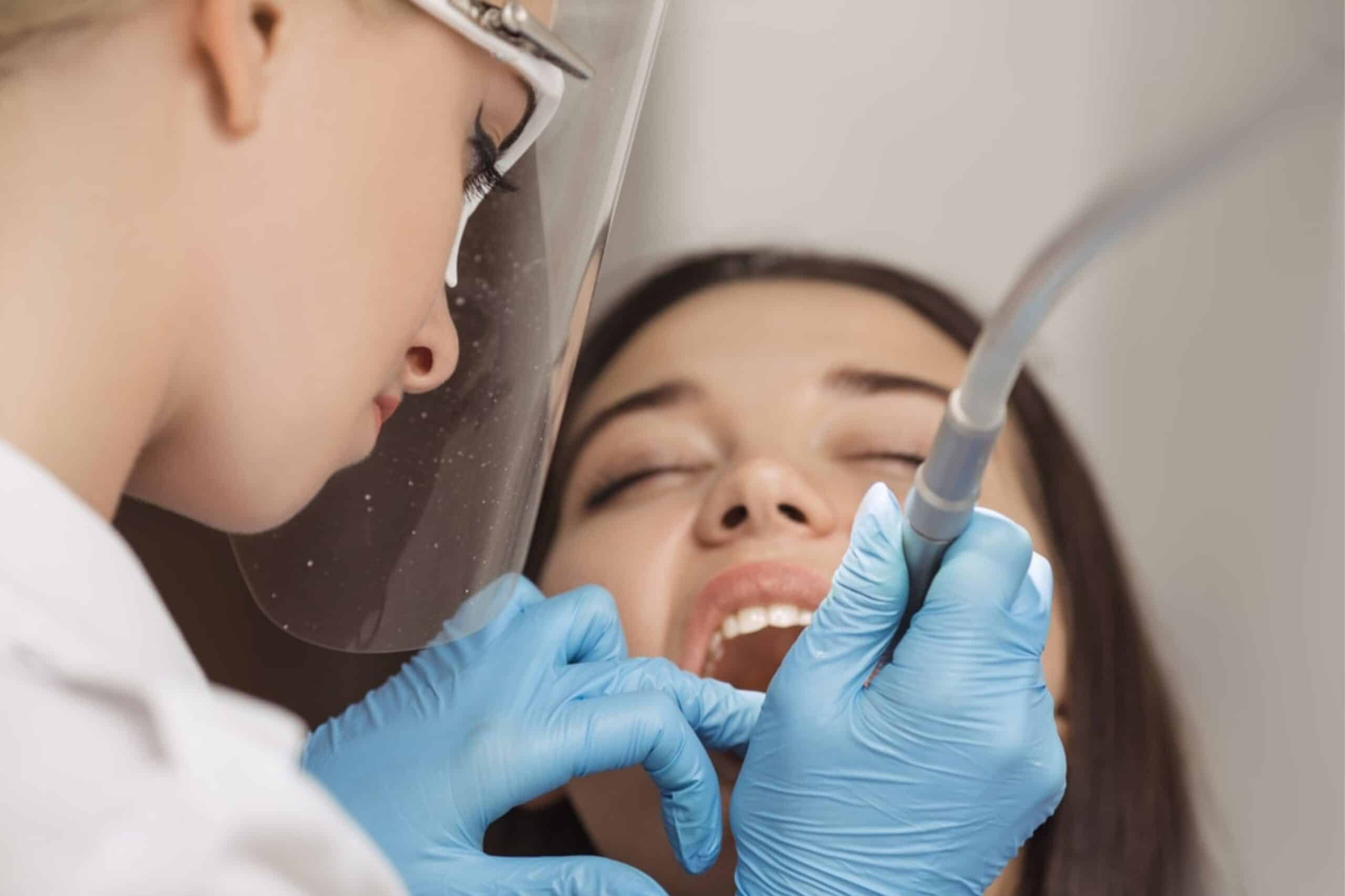
Are you self-conscious about the appearance of your teeth? Do you avoid smiling or laughing because of chips, gaps or discolouration? Dental bonding may be the solution you need to achieve a beautiful and confident smile. This cosmetic dentistry procedure is becoming increasingly popular due to its affordability and effectiveness in transforming teeth. In this blog post, we will cover everything you need to know about dental bonding – from what it is, the different types available, benefits, procedure details, aftercare tips and even alternative options. So sit back and get ready to learn how dental bonding can give you a reason to smile!
What is dental bonding?
Dental bonding is a cosmetic dental procedure that involves applying a tooth-coloured resin material to the surface of teeth, which is then hardened with a special light. This technique can be used to improve the appearance of teeth by changing their shape, size or colour. Dental bonding can also be used for repairing decayed or damaged teeth.
The process typically begins with an evaluation and consultation with a dentist who will determine if you are a candidate for dental bonding. If so, they will begin by selecting the appropriate shade of resin that matches your natural teeth.
Next, the dentist will prepare the tooth surface by roughening it slightly and applying a conditioning liquid to help the bonding material adhere properly. The resin material is then moulded and shaped onto your tooth before being cured or hardened using ultraviolet light.
Once complete, any excess material is trimmed away before polishing for the final finish. The end result should look and feel like natural teeth!
Dental bonding procedures usually take about 30-60 minutes per tooth depending on complexity, making it an efficient option compared to other cosmetic procedures such as veneers or crowns.
The Different Types of Dental Bonding
Dental bonding is a cosmetic dental procedure that helps improve the appearance of teeth by applying tooth-coloured resin to them. There are two types of dental bonding procedures: direct composite bonding and adhesive bonding.
Direct composite bonding involves applying a tooth-coloured resin directly onto the surface of the tooth, which is then shaped and polished to match the surrounding teeth. This type of bonding is commonly used for small chips, cracks, or gaps in teeth.
Adhesive bonding, on the other hand, uses an adhesive material to attach a restoration such as porcelain veneers or crowns to your natural teeth. Adhesive bonding can be used for more extensive restorations that involve larger areas of damage or decay.
Ultimately, it’s important to discuss your options with your dentist so you can determine which type of dental bonding will best suit your needs based on factors such as budget, longevity needed for specific restorations etc.
Benefits of Dental Bonding
Here are some benefits of dental bonding:
Improved Appearance: Dental bonding can fix a variety of cosmetic dental issues, including chipped or cracked teeth, gaps between teeth, discoloured teeth, and misshapen teeth.
Quick and Easy Process: Unlike other cosmetic procedures such as veneers or crowns, dental bonding is a quick and easy process that can usually be completed in just one visit to your dentist.
Minimally Invasive Procedure: Dental bonding does not require any drilling or removal of natural tooth structure which makes it a much less invasive procedure than other options.
Durable Result: With proper care and maintenance, bonded restorations can last for many years providing patients with long-lasting results.
Dental bonding provides numerous benefits both functionally and cosmetically making it an excellent option for those looking for an affordable solution to enhance their smile without undergoing extensive procedures.
What Happens During the Dental Bonding Procedure?
During the dental bonding procedure, the dentist will first clean and dry the teeth that require treatment. Then, they’ll apply a mild acidic solution to roughen up the surface of your tooth so that it can bond properly with composite resin.
The dentist will then mix the resin to match your natural tooth colour and shape it onto your tooth until it’s in its desired form. They’ll use a special light to harden or cure each layer of resin as they apply it.
After shaping and curing each layer, they’ll sculpt and polish the final bonded material to make sure it feels smooth against your tongue, looks natural next to surrounding teeth, and is shaped appropriately for biting purposes.
The entire process typically takes between 30 minutes and an hour per tooth depending on how many teeth need bonding. You should feel minimal discomfort during or after this non-invasive procedure since there are no incisions or sutures involved in this treatment option.
Aftercare for Dental Bonding
Taking care of your dental bonding is crucial in ensuring that it lasts longer and keeps its aesthetic appeal. Immediately after the procedure, you should avoid consuming any food or drinks for at least two hours to allow the bonding material to fully harden.
In terms of oral hygiene, you should maintain a good brushing and flossing routine to prevent plaque build-up around the bonded tooth. It’s also advisable to use an antibacterial mouthwash as part of your daily oral care routine.
If you have any habits like biting on hard objects such as pens, pencils or ice cubes, you must break them immediately. These habits can harm your bonded teeth by chipping or breaking off the resin material.
You must visit your dentist regularly for check-ups and cleanings so they can monitor your dental bondings’ condition. They will address any issues before they cause further damage like decay around the edges of the bonding material.
By following these simple aftercare tips, you’ll be able to keep your dental bondings in excellent shape while enjoying their benefits for years to come.
Alternatives to Dental Bonding
While dental bonding is a popular cosmetic dentistry procedure, it’s not the only option available to patients who want to improve their smile.
One alternative to dental bonding is porcelain veneers. These thin shells are custom-made and placed over the front of teeth, giving them a natural-looking appearance while also correcting issues such as discolouration or misshapen teeth.
Another option is orthodontic treatment, which can straighten crooked or crowded teeth without having to cover them with veneers or bondings. Braces or clear aligners like Invisalign may be recommended depending on your specific needs and goals.
Teeth whitening is another alternative that can enhance the appearance of your smile by removing stains and discolouration caused by food, drinks, tobacco use or medications.
In some cases where more extensive restoration work is needed, dental crowns may be recommended instead of bonding. Crowns are durable caps that fit over damaged or decayed teeth to restore their shape and function.
Before deciding on any cosmetic dentistry procedure, patients need to consult with their dentist about what options will best suit their case.
Dental bonding is an effective cosmetic dentistry procedure that can improve the appearance of your teeth. It’s a great option for individuals who want to enhance their smile without undergoing invasive treatments.
In this article, we have covered everything you need to know about dental bonding procedures. We’ve discussed what it is, the different types available, its benefits, and how it works during the procedure. We’ve also talked about aftercare tips and alternatives to consider.
If you’re interested in getting dental bonding done or if you have any questions regarding the process, contact your dentist today. They will be able to guide you through every step of the way.
Remember that a beautiful smile can go a long way in boosting your confidence and making you feel good about yourself. With dental bonding procedures readily available at most clinics nowadays, there’s no reason not to explore this option if it appeals to you!