

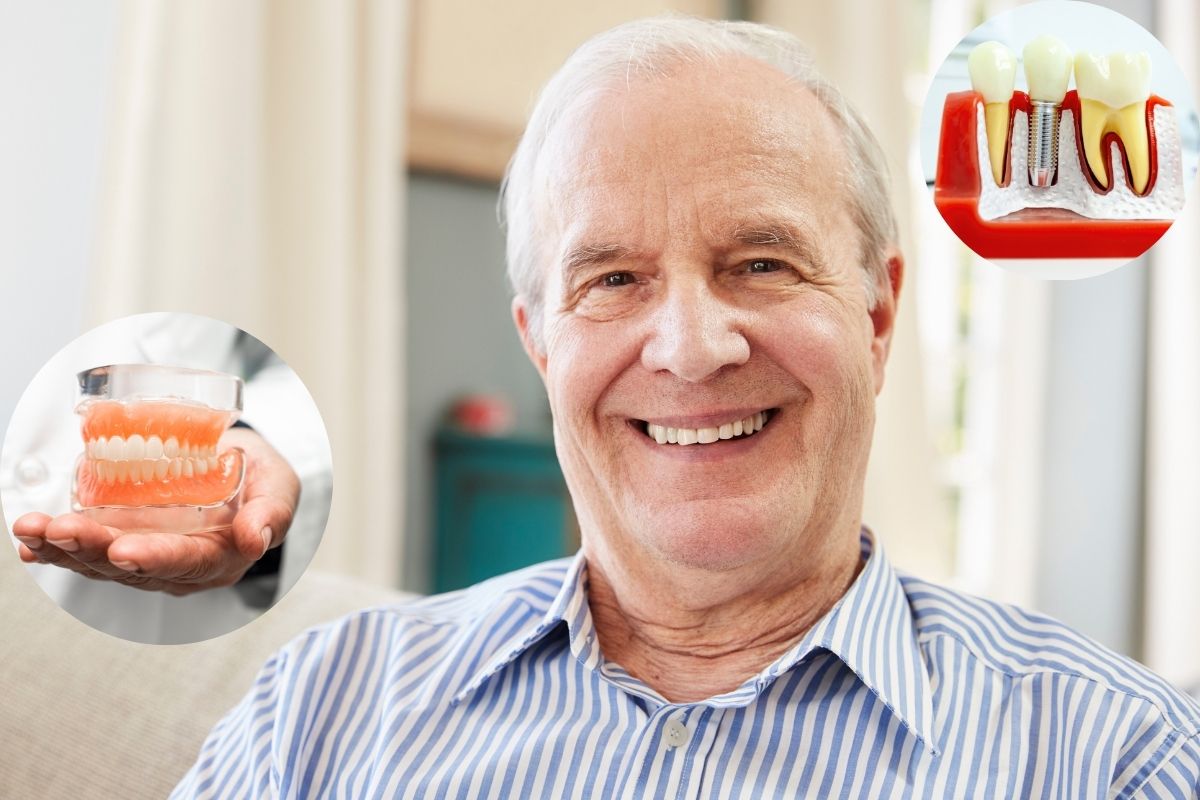
Missing teeth can affect more than just the appearance of your smile. They can make everyday activities like eating, speaking, and smiling with confidence more difficult. Fortunately, modern dentistry offers effective solutions to restore both function and appearance. Two of the most common options are dental implants and dentures.
If you’re considering tooth replacement, you may be wondering whether dental implants or dentures are the better choice. The answer depends on several factors, including your oral health, lifestyle, budget, and long-term goals. Understanding the benefits and differences of each option can help you make an informed decision.
Understanding Dental Implants
Dental implants are artificial tooth roots made from biocompatible materials that are placed into the jawbone. Once the implant integrates with the bone, it can support a dental crown, bridge, or even a full arch of replacement teeth.
Unlike removable appliances, implants become a stable part of your mouth. Because they replace the tooth root as well as the visible portion of the tooth, they closely mimic the function and appearance of natural teeth.
Benefits of Dental Implants
- Provide a secure and stable tooth replacement solution
- Look and feel similar to natural teeth
- Help maintain jawbone density
- Improve chewing efficiency
- Do not rely on neighboring teeth for support
- Can last for many years with proper care
For many patients, dental implants offer a long-term solution that supports both oral health and quality of life.
Understanding Dentures
Dentures are removable appliances designed to replace missing teeth. Depending on the number of teeth that need replacement, patients may receive complete dentures or partial dentures.
Modern dentures are more comfortable and natural-looking than ever before. They remain a popular option for patients who are missing multiple teeth or who may not be candidates for implant treatment.
Benefits of Dentures
- Replace multiple missing teeth at once
- Generally involve a lower upfront cost
- Non-surgical treatment option
- Can improve appearance and speech
- Available as full or partial restorations
Dentures can restore many functions of the smile, but they differ significantly from implants in terms of stability and long-term maintenance.
Dental Implants vs Dentures: Key Differences
Stability and Comfort
One of the biggest differences between dental implants and dentures is stability.
Dental implants are anchored directly into the jawbone, providing a secure foundation for replacement teeth. This allows them to remain firmly in place during speaking, eating, and daily activities.
Traditional dentures rest on the gums and may shift or move, especially as the jawbone changes over time. Some patients use adhesives to improve denture stability.
Appearance
Both implants and dentures can enhance the appearance of a smile. However, implants tend to offer a more natural look because they emerge from the gums much like natural teeth.
Dentures can also look attractive, but they may not replicate the appearance of natural teeth as closely as implant-supported restorations.
Chewing Ability
Many patients notice a significant difference in chewing performance.
Dental implants provide a stronger bite force and allow patients to enjoy a wider variety of foods. Tougher foods, such as steak, apples, and nuts, are often easier to eat with implant-supported teeth.
Traditional dentures may require dietary adjustments because they can move during chewing.
Jawbone Health
When a tooth is lost, the jawbone in that area no longer receives stimulation from the tooth root. Over time, the bone can begin to shrink.
Dental implants help preserve jawbone health because they replace the missing tooth root and continue to stimulate the bone during chewing.
Dentures do not provide this stimulation, which means bone loss may continue over time. This can eventually affect the fit of the denture and lead to the need for adjustments or replacements.
Longevity
With proper care and maintenance, dental implants can provide decades of reliable function.
Dentures generally have a shorter lifespan and may require relining, adjustments, or replacement as the shape of the mouth changes over the years.
Are Dental Implants Worth the Investment?
While dental implants typically involve a higher initial cost, many patients find that the long-term benefits make them a worthwhile investment.
Because implants are durable and stable and help preserve jawbone health, they often require fewer replacements and adjustments over time. Patients frequently report increased confidence, improved comfort, and better overall function compared to removable dentures.
For individuals seeking a permanent tooth replacement option, implants are often considered the gold standard in restorative dentistry.
When Dentures May Be the Better Choice
Although implants offer many advantages, dentures can still be an excellent solution for certain patients.
Dentures may be a good option if you:
- Need to replace many or all missing teeth
- Prefer a non-surgical treatment option
- Have medical conditions that affect healing
- Are you looking for a more budget-friendly solution
- Want a faster treatment process
Every patient’s needs are different, which is why a professional dental evaluation is important before making a decision.
What About Implant-Supported Dentures?
Some patients choose implant-supported dentures as a middle-ground solution.
Implant-supported dentures combine the benefits of both treatments by using dental implants to secure a denture in place. This approach provides greater stability, improved chewing ability, and reduced movement compared to traditional removable dentures.
For patients who want added security without replacing every tooth with an individual implant, implant-supported dentures can be an excellent option.
Which Option Is Best for Missing Teeth?
There is no one-size-fits-all answer when comparing dental implants and dentures. The right choice depends on your oral health, bone structure, budget, lifestyle, and personal preferences.
Patients looking for a long-lasting, natural-feeling solution often prefer dental implants. Those seeking a more affordable, non-surgical option may find dentures to be a better fit.
A comprehensive consultation can help determine which treatment aligns best with your goals and expectations.
Restore Your Smile With The Right Tooth Replacement Solution
Choosing between dental implants and dentures is an important decision that can have a lasting impact on your oral health and quality of life. Understanding the benefits of each option is the first step toward finding the solution that best meets your needs. If you are in Yuma or the surrounding area and would like to explore your tooth replacement options, visit Gila Ridge Dental.
Frequently Asked Questions
Do dental implants last longer than dentures?
Yes. Dental implants can last for decades with proper care, while dentures typically require adjustments or replacement over time.
Which option feels more like natural teeth?
Dental implants generally provide the closest experience to natural teeth because they are securely anchored within the jawbone.
Can dentures be replaced with implants later?
In many cases, patients can transition from dentures to dental implants if they meet the necessary oral health and bone requirements.
Do dental implants help prevent bone loss?
Yes. Because implants replace the tooth root, they help stimulate the jawbone and reduce the risk of bone deterioration.
Are implant-supported dentures worth considering?
Many patients find implant-supported dentures beneficial because they provide greater stability and comfort than traditional dentures.


