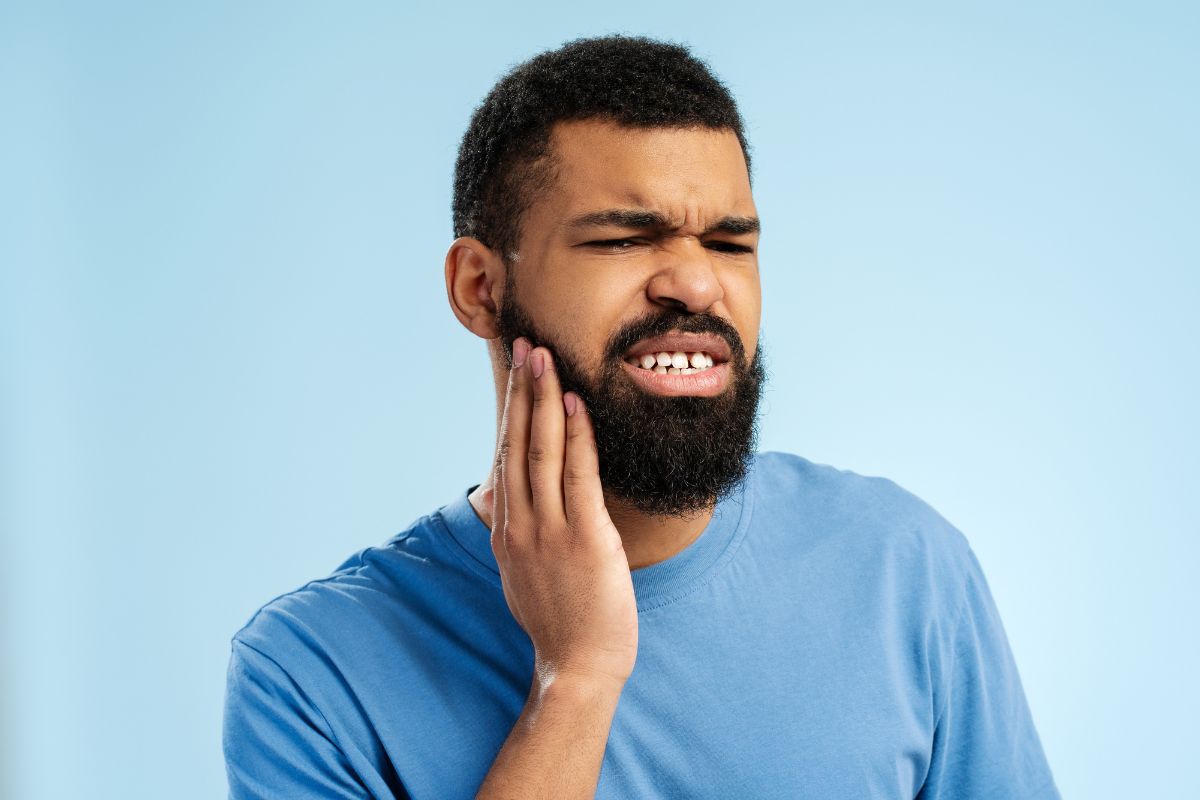
You brushed your teeth this morning. You rinsed. Everything seemed perfectly normal until one tooth started throbbing out of nowhere.
No fall. No hard food. No obvious reason. Just one tooth, quietly making its presence known while the rest of your mouth feels completely fine.
It’s a confusing experience, and if it’s happened to you, you’re not alone. Tooth pain that shows up in just one spot without any clear trigger is actually one of the most common reasons people walk through our doors. And the good news is, it almost always has a clear explanation.
It’s More Common Than You Think
At Gila Ridge Dental, we hear this all the time: “Nothing feels wrong except this one tooth – should I even bother coming in?”
The answer is always yes. As Dr. Garner often tells his patients, isolated tooth pain is your mouth’s way of flagging something that needs attention, even when everything else looks and feels perfectly healthy on the surface.
If you’ve been searching for a trusted dental care provider in Yuma, understanding what causes single-tooth pain is a great place to start. The more you know, the sooner you can get the right help.
So, Why Is Just One Tooth Hurting?
There’s no single answer to this question, which is exactly why it’s worth paying attention to. Here are the most common reasons one tooth can become painful while the rest of your mouth stays quiet.
You May Have a Cavity You Can’t See Yet
Cavities don’t always look like dark spots or visible damage. In the early stages, decay often develops in hard-to-see places between teeth, just below the gumline, or under old dental work. You won’t see it in the mirror, and you might not feel it at first either.
But as the decay reaches deeper layers of the tooth, sensitivity and aching begin. The pain is usually isolated to the affected tooth, which is why a single-tooth ache is often one of the first real signs that a cavity has progressed past the surface.
The earlier it’s caught, the simpler the fix. A small cavity is a routine filling. Left alone, it becomes a much bigger problem.
A Cracked Tooth Can Hide in Plain Sight
This one surprises a lot of people. A cracked tooth doesn’t always look cracked. Many fractures are too small to see with the naked eye, and some only show up under special dental lighting or X-rays.
The pain pattern gives it away. You might feel a sharp, sudden zing when you bite down on something or when you go from hot coffee to cold water. The pain often disappears quickly, which leads many people to dismiss it. But cracked teeth don’t heal on their own. Over time, the crack can deepen, and what started as a minor fix can turn into a more involved procedure.
If you’re noticing pain that comes and goes when you chew, a cracked tooth is worth ruling out.
Gum Recession Around a Single Tooth
Your gums act as a protective covering for the roots of your teeth. When gum tissue pulls back even just a little, it exposes root surfaces that aren’t covered in enamel. Those exposed areas are far more sensitive to temperature, pressure, and sweet foods.
Gum recession doesn’t always happen evenly across the mouth. It can affect one or two teeth while the rest remain fully covered. So if one tooth suddenly feels hypersensitive while your others are fine, receding gums may be the cause.
An Old Filling or Crown May Be Failing
Dental restorations don’t last forever. Fillings and crowns that have been in place for many years can start to wear down, shift, or develop tiny gaps along their edges. When that happens, bacteria can sneak in underneath, and the decay that follows often goes unnoticed until pain sets in.
If you have older dental work and one of those teeth starts aching, it’s worth having it checked. Catching a failing restoration early can save the tooth and avoid a more significant repair down the road.
A Deep Infection or Abscess Is Starting
This is the scenario that warrants the most urgency. When bacteria reach the inner part of a tooth, the pulp, an infection can develop. Left untreated, it can become an abscess, which is a pocket of infection that forms at the root of the tooth.
The pain from a dental abscess tends to be persistent, throbbing, and difficult to ignore. You might also notice swelling, a bad taste in your mouth, or increased sensitivity to heat. If any of these signs sound familiar, please don’t wait. A dental infection that isn’t treated can spread, and that’s a situation you want to get ahead of quickly.
Finding an experienced dentist in Yuma, AZ, who can evaluate and treat a dental infection promptly makes all the difference in protecting both the tooth and your overall health.
You Could Be Grinding Your Teeth at Night
Many people grind or clench their teeth during sleep without ever realizing it. Over time, this puts excessive pressure on certain teeth, sometimes targeting one more than others, depending on your bite pattern. The result can be soreness, sensitivity, and pain that seems to have no clear source.
If you’re waking up with jaw tension or a dull headache, nighttime grinding could be behind your tooth pain. A custom night guard is one of the simplest and most effective ways to protect your teeth from this kind of wear.
When Should You Stop Waiting and Call Your Dentist?
If a tooth has been hurting for more than a day or two, or if the pain is sharp, throbbing, or getting worse, it’s time to schedule an appointment. Tooth pain is not something that typically resolves on its own, and waiting tends to turn smaller issues into larger ones.
You should also call sooner if you notice swelling around the painful tooth, sensitivity that lingers after removing hot or cold food, or visible damage like a chip or crack. These are signs that something needs attention right away.
At our dental practice, we make it easy to get seen quickly because we know that when a tooth hurts, waiting is the last thing you want to do. Contact us and our team will get you scheduled as soon as possible.
What Happens at Your Appointment?
When you come in for a tooth pain evaluation, we don’t just take a quick look and send you on your way. We take the time to actually find the source of the problem.
Your appointment will typically include a clinical exam of the tooth and surrounding gum tissue, dental X-rays to look for decay, infection, or bone changes, and a discussion of your symptoms and history. If a crack is suspected, we may use additional diagnostic tools to identify it.
Once we understand what’s causing the pain, we’ll walk you through your options in plain language no confusing terms, no pressure. Just a clear picture of what’s going on and a straightforward path forward.
What Our Patients Are Saying
Excellent dental care!! Wonderful front office ladies. So helpful! Great back office staff. Great care and perfect not painful with dental cleaning. Dentist is really the best!! Very kind and gental so reassuring ant takes real care and answers all questions and concerns.
Thank you Gila Dental for wonderful care. – Vicki lander
Keeping Your Smile Healthy and Pain-Free With Us
One hurting tooth is your mouth asking for help, and the sooner you listen, the simpler the solution usually is. Whether it’s a cavity that caught you off guard, a hairline crack from years of use, or an infection just beginning to develop, the right care at the right time makes all the difference.
At our dental office, we understand how disruptive tooth pain can be and how easy it is to put off a visit when everything else feels fine. But our team is here to give you answers, not assumptions. We’ll identify the actual cause of your discomfort and work with you on a treatment plan that makes sense for your situation.
We proudly serve patients across the Yuma area from our three convenient locations: Central Yuma, West Yuma, and Foothills, so there’s always an office close to you.
Frequently Asked Questions
Can a tooth hurt without any visible damage?
Yes, and it happens quite often. Many of the most common causes of tooth pain early-stage cavities, small cracks, gum recession, and developing infections are not visible to the naked eye. That’s why a professional exam and X-rays are the only reliable way to find out what’s actually going on.
Is it safe to take pain relievers and wait a few days?
Over-the-counter pain relief can help manage discomfort temporarily, but it doesn’t treat the underlying cause. If the pain keeps coming back or gets worse, waiting only gives the problem more time to progress. It’s always better to get it evaluated sooner rather than later.
Can stress cause a single tooth to hurt?
Stress itself doesn’t directly cause tooth pain, but it can lead to clenching or grinding, which puts real physical pressure on your teeth. If you’ve been under extra stress lately and one tooth is aching, grinding may be worth discussing with your dentist.
Will the tooth need to be pulled?
Not necessarily. Most causes of single-tooth pain, including cavities, cracks, failing restorations, and even infections, can be treated while preserving the natural tooth. Extraction is generally a last resort, and our goal is always to save the tooth whenever possible.
Can a tooth hurt because of a problem in a neighboring tooth?
Yes, this is called referred pain, and it can make it difficult to pinpoint exactly which tooth is the source. Your dentist will use a combination of clinical tests and imaging to trace the pain back to its true origin, which isn’t always the tooth that hurts the most.