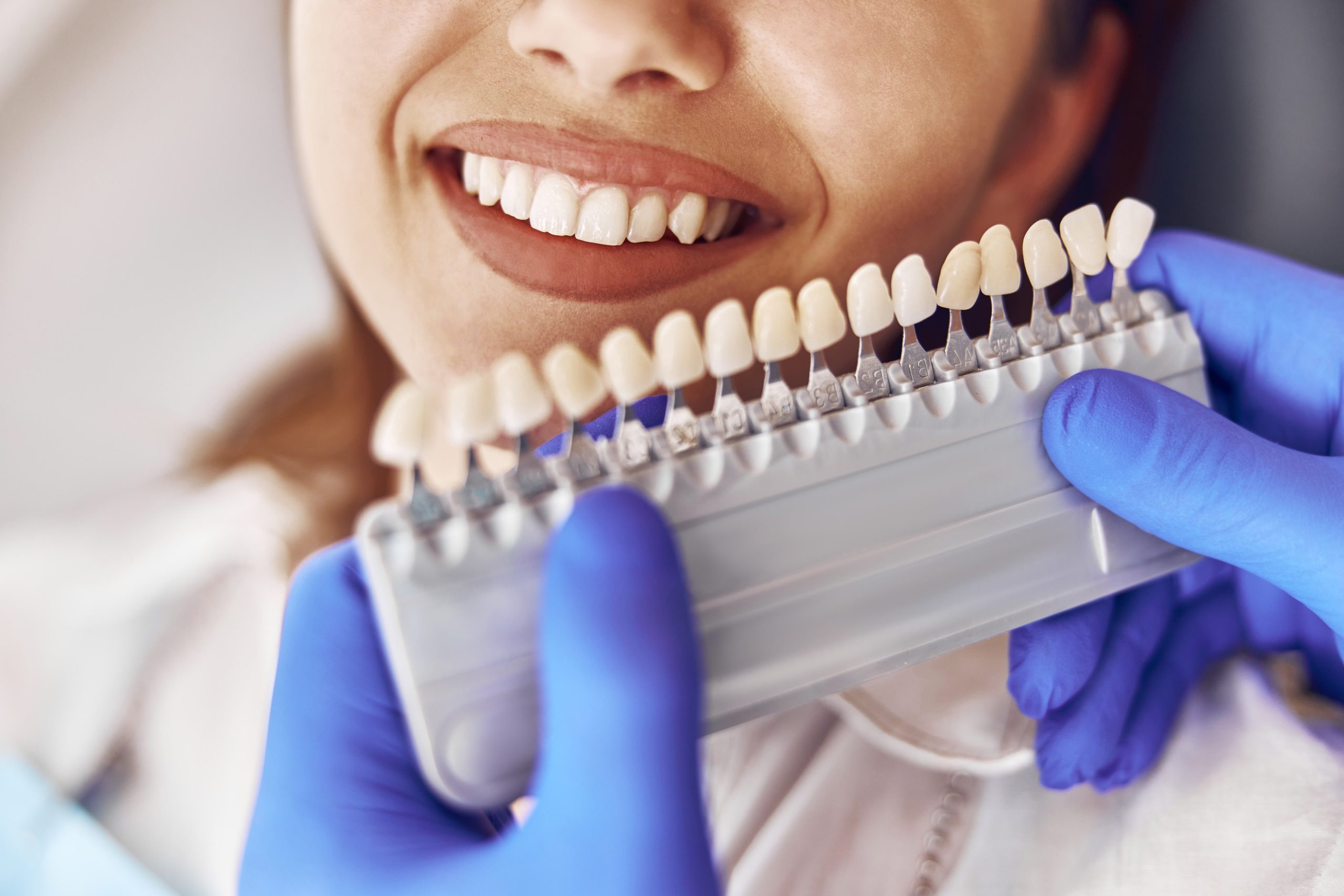
If you are considering a smile makeover in Yuma, veneers are likely on your radar. The big question most patients ask is: porcelain vs. composite veneers — which actually lasts longer? Understanding the difference between these two options helps you make a confident, informed decision. At Gila Ridge Dental, Dr. Stephen Garner walks every patient through this comparison before any treatment begins.
Both types of veneers can dramatically improve your smile. However, they differ in how they are made, how long they last, and how much they cost. Knowing these differences upfront saves you time, money, and surprises down the road. Let’s break it all down clearly.
What Are Porcelain and Composite Veneers?
Veneers are thin shells bonded to the front surface of your teeth. They cover chips, stains, gaps, and uneven edges. Both porcelain and composite resin veneers serve this purpose — but they are made from very different materials. As part of our Cosmetic Dentistry Yuma services, we offer both options to suit different needs and budgets.
Porcelain veneers are crafted in a dental laboratory. They require two or more appointments to complete. The dentist removes a thin layer of enamel, takes impressions, and places temporary veneers while the permanent ones are made. Porcelain closely mimics the translucency of natural tooth enamel.
Composite resin veneers are applied directly to your teeth in a single visit. The dentist sculpts the material onto your tooth by hand. No lab fabrication is needed. This makes composite veneers a faster and more affordable alternative for many Yuma patients.
Porcelain vs. Composite Veneers: Durability and Longevity in Yuma
When comparing porcelain vs. composite veneers for how long they actually last, porcelain is the clear winner. Porcelain veneers typically last 10 to 20 years with proper care. Composite resin veneers generally last 5 to 7 years before needing touch-ups or replacement. This is the most significant difference between the two options.
Porcelain is a hard, stain-resistant material. It holds up well against daily biting and chewing forces. Composite resin is softer and more prone to chipping over time. It can also stain more easily from coffee, wine, and certain foods.
Here is a quick comparison of durability factors:
- Porcelain lifespan: 10–20 years with good oral hygiene
- Composite lifespan: 5–7 years, may need polishing or repairs sooner
- Stain resistance: Porcelain resists stains; composite is more susceptible
- Chip resistance: Porcelain is more resistant to chipping under normal use
- Repairability: Composite is easier and cheaper to repair if damaged
Yuma’s desert climate does not directly impact veneer material durability. However, patients who grind their teeth may see shorter lifespans for either type. Dr. Garner may recommend a nightguard to protect your investment.
Aesthetics and Appearance: Which Looks More Natural?
Both porcelain and composite veneers can produce beautiful, natural-looking results. However, porcelain has a slight edge in aesthetics. Porcelain reflects light similarly to natural tooth enamel. This gives it a lifelike depth that is hard to replicate with composite resin.
Composite veneers have improved significantly in recent years. Skilled dentists can create very natural results using composite material. However, under close inspection or in bright lighting, composite can sometimes appear slightly more opaque. It may also lose its polished appearance faster than porcelain.
For special events, professional settings, or patients seeking a long-lasting showstopper smile, porcelain often delivers superior results. For minor corrections or a quick aesthetic refresh, composite can be an excellent and attractive choice.
Cost Differences and What to Expect
Cost is one of the biggest deciding factors for patients in Yuma. Composite veneers are significantly less expensive than porcelain. The lower price reflects the shorter chair time and lack of laboratory fees. Porcelain veneers cost more upfront but often prove cost-effective over time due to their longer lifespan.
Here is what you can generally expect in terms of investment:
- Composite veneers: Lower initial cost per tooth; faster procedure
- Porcelain veneers: Higher initial cost per tooth; longer-lasting results
- Maintenance costs: Composite may need repairs or replacement sooner, adding future costs
- Time investment: Composite is typically one appointment; porcelain requires two or more
When you calculate the long-term cost, porcelain often balances out. Composite veneers that need replacement every five to seven years can eventually match or exceed the cost of porcelain. Dr. Garner will discuss the financial picture honestly during your consultation.
The Procedure: What Happens at Each Appointment
Understanding the procedure helps reduce anxiety before your visit. The process differs between the two veneer types. Composite veneers are a direct, chairside procedure completed in one appointment. Porcelain veneers involve at least two appointments and a laboratory phase in between.
For composite veneers, the process typically includes:
- Cleaning and preparing the tooth surface
- Etching the enamel lightly to help the material bond
- Applying composite resin in layers and sculpting the shape
- Curing the material with a special light
- Polishing for a smooth, natural finish
For porcelain veneers, the process typically includes:
- Removing a thin layer of enamel from the tooth
- Taking digital impressions or scans of your teeth
- Placing temporary veneers while the lab crafts your permanent ones
- Bonding the custom porcelain shells at your second appointment
- Making final adjustments for bite and comfort
At Gila Ridge Dental, we use advanced digital technology to plan your treatment precisely. Our intraoral scanners eliminate messy traditional impressions. This makes the entire experience more comfortable for Yuma patients.
Which Veneer Type Is Right for You?
The best choice depends on your specific goals, timeline, and budget. Porcelain veneers suit patients who want the longest-lasting, most natural-looking results. Composite veneers work well for patients who want a quicker fix or are not ready for enamel removal. Both options are part of our comprehensive approach to Restorative Dentistry Yuma and cosmetic care.
Some patients start with composite veneers to preview their new smile shape. They later upgrade to porcelain once they are fully satisfied with the design. Dr. Garner will help you weigh every factor during a thorough consultation. There is no one-size-fits-all answer — your lifestyle and smile goals guide the decision.
Whether you choose porcelain or composite, maintaining good oral hygiene is essential. Regular cleanings, checkups, and avoiding habits like nail-biting extend the life of either option. Patients across Yuma trust Gila Ridge Dental to help them keep their smiles looking their best for years to come. Book Now to schedule your appointment with our team.
Frequently Asked Questions
How long do porcelain veneers last compared to composite veneers?
Porcelain veneers typically last 10 to 20 years with proper oral care. Composite resin veneers generally last 5 to 7 years. Porcelain is more durable and stain-resistant, which contributes to its longer lifespan. Regular dental visits and good hygiene help extend both options.
Can composite veneers be repaired if they chip?
Yes, one major advantage of composite veneers is that they are easy to repair. A dentist can add or reshape composite resin directly in the office during a short appointment. Porcelain veneers, if chipped, usually require full replacement since the ceramic material cannot be patched as easily. This repairability makes composite a practical choice for some patients.
Do veneers require removal of natural tooth enamel?
Porcelain veneers require the removal of a thin layer of enamel to ensure a proper fit and natural appearance. This process is irreversible, so it is an important factor to consider. Composite veneers require little to no enamel removal in many cases. Dr. Garner will assess your teeth and explain exactly what preparation is needed for your situation.
Are veneers a good option for patients with sensitive teeth?
Many patients with sensitivity can still receive veneers, though the process varies by individual case. Enamel removal during the porcelain process can temporarily increase sensitivity. Composite veneers involve less prep work, which may be better tolerated by patients with sensitivity concerns. Dr. Garner evaluates your oral health thoroughly before recommending any veneer type.
How do I maintain veneers after getting them placed?
Maintaining veneers is straightforward with consistent habits. Brush twice daily with a non-abrasive toothpaste and floss regularly. Avoid biting hard objects like ice or fingernails, which can chip either type of veneer. Attending regular cleanings and checkups at Gila Ridge Dental in Yuma helps keep your veneers looking their best for as long as possible.