Are you someone who dreads the thought of going to the dentist, especially when it comes to getting a tooth extracted? It may seem scary or uncomfortable, but did you know that having diseased teeth extracted can improve your overall oral health? In this blog post, we’ll delve into why extracting problematic teeth is crucial for maintaining healthy teeth and gums. So sit back, relax (or maybe not), and let’s explore the importance of saying goodbye to those pesky problem teeth!
What is oral extraction?
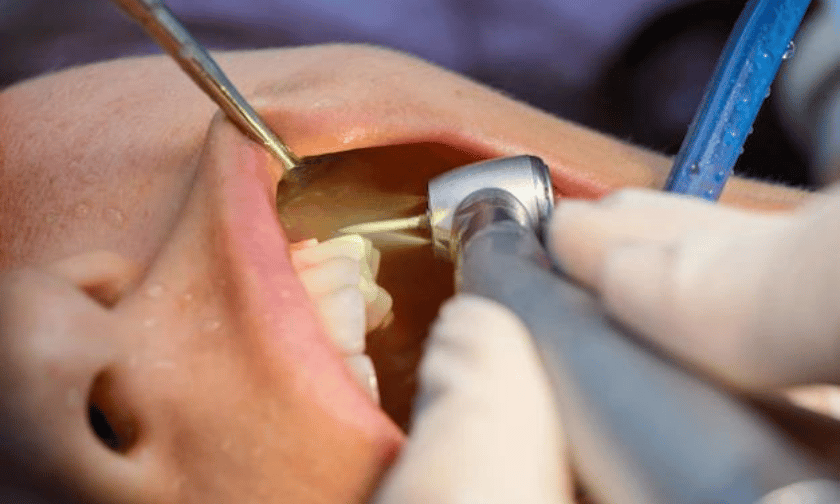
Oral extraction is the process of removing a tooth from the mouth. This can be done for several reasons, including if the tooth is severely decayed or damaged if it is causing pain or crowding, or if it needs to be removed for orthodontic treatment. Extractions are usually performed by an oral surgeon or dentist.
The benefits of oral extraction
It is no secret that leaving diseased teeth in your mouth can lead to a host of other problems. Oral extraction, or the removal of diseased teeth, is a vital part of maintaining overall oral health. Here are just a few of the benefits of oral extraction:
Prevents the Spread of Infection
When a tooth is infected, that infection can spread to other teeth and even to other parts of the body. By removing an infected tooth, you can help prevent the spread of infection.
Reduces Pain and Discomfort
Leaving an infected tooth in your mouth can be extremely painful. Extracting the tooth can help reduce or eliminate this pain. In addition, extracting a tooth can also help reduce discomfort caused by inflammation and pressure on adjacent teeth.
Improves Oral Hygiene
It can be difficult to keep an infected tooth clean due to the pain and sensitivity associated with the infection. Once the tooth is extracted, it will be easier to maintain good oral hygiene habits and keep your mouth healthy overall.
How to prepare for oral extraction
When it comes time for your oral extraction, there are a few things you can do to prepare and make the process go as smoothly as possible. First, be sure to brush and floss your teeth thoroughly before your appointment. This will help to remove any food particles or plaque that could potentially get in the way during the procedure.
Next, you’ll want to make sure you have a soft, comfortable place to rest your head during the extraction. A pillow or towel placed under your head can help to elevate it and keep you from moving around too much during the procedure. Lastly, be sure to wear loose-fitting clothing on the day of your appointment so that you’re comfortable throughout the entire process.
The recovery process after oral extraction
The recovery process after oral extraction is a very important step in ensuring that the overall oral health of the patient is maintained. It is important to follow the instructions given by the dentist carefully to avoid any complications.
Initially, it is important to keep the mouth clean by rinsing with salt water or an antiseptic mouthwash. This will help to prevent infection and promote healing. It is also important to eat soft foods and avoid hot drinks for at least 24 hours after the extraction.
Once the initial healing has taken place, it is still important to brush and floss regularly to maintain good oral hygiene. If there are any problems with healing, it is important to contact the dentist as soon as possible.
Conclusion
Taking care of your teeth is an important part of having good oral health. Extracting diseased teeth can prevent future problems and help you keep your smile looking its best. We hope that this article has helped you understand the importance of extracting diseased teeth, how to detect signs of a potential problem, and what options are available to treat it. If you suspect that one or more of your teeth may be infected or decaying, contact your dentist for further examination and advice as soon as possible.