Are you tired of dealing with gaps in your smile caused by missing teeth? Dental bridges can be a game-changer, but preparing for the procedure can seem daunting. Don’t worry – we’ve got you covered! In this ultimate guide, we’ll cover everything you need to know about getting dental bridges, from what they are and how they work to the preparation process and aftercare. Say goodbye to missing teeth and hello to a brighter, more confident smile – let’s get started!
What is a dental bridge?
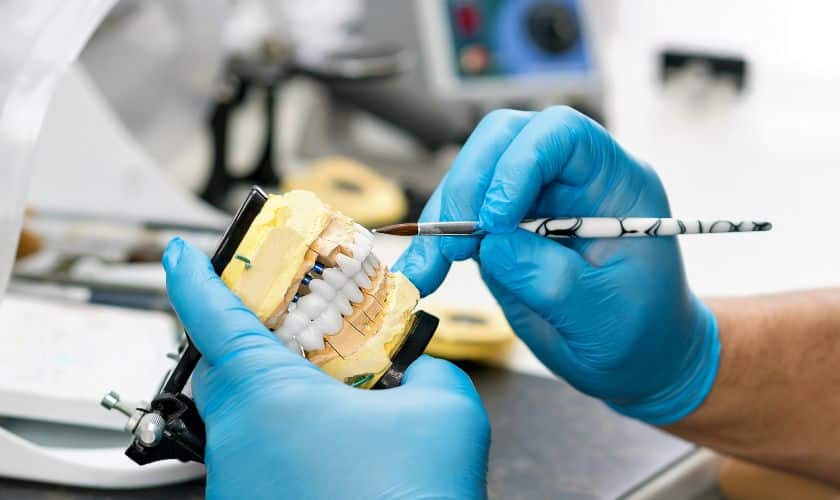
Dental bridges are one of the most common tooth replacement options available. They are made up of two crowns that are placed on the teeth on either side of the gap, with a false tooth (or pontic) in between. Bridges can be made from a variety of materials, including porcelain, ceramic, or metal.
Bridges are an effective way to replace missing teeth and can help to restore your smile. They can also improve your bite by preventing your teeth from shifting out of place. Additionally, bridges can help to support your facial muscles and maintain the natural shape of your face.
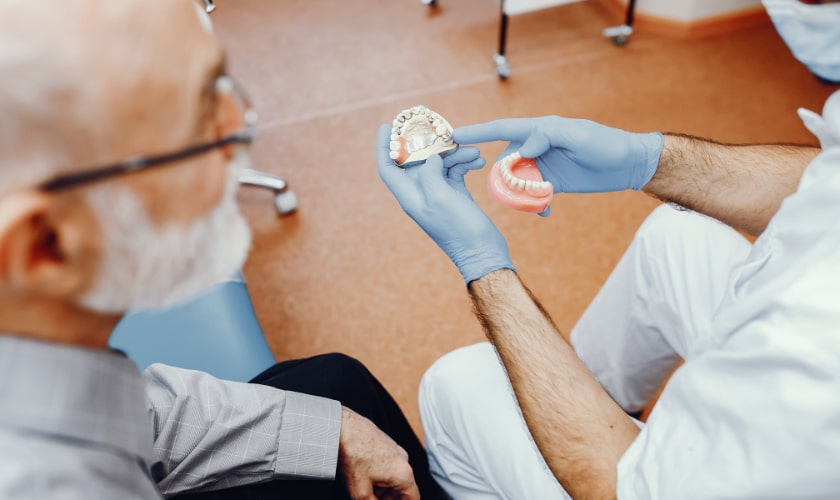
If you are considering getting a dental bridge, it is important to consult with a qualified dentist to discuss whether this treatment option is right for you.
Types of dental bridges
A dental bridge is a fixed prosthetic device used to replace one or more missing teeth by joining an artificial tooth permanently to adjacent teeth or dental implants. The three main types of dental bridges are traditional bridges, cantilever bridges, and Maryland bridges.
Traditional Bridges: Traditional bridges involve creating a crown for the tooth on either side of the missing tooth (abutment teeth). These abutment teeth serve as anchors for the bridge and are usually healthy, existing teeth that are required to be reduced in size to accommodate the crown. A pontic (artificial tooth) is then created to fill the space left by the missing tooth. Traditional bridges are usually made of porcelain fused with metal (PFM), ceramic, or all-metal materials.
Cantilever Bridges: Cantilever bridges are similar to traditional bridges, however, they only require one abutment tooth instead of two. They are typically used when there is only one natural tooth adjacent to the space left by the missing tooth/teeth. Like traditional bridges, cantilever bridges can be made from PFM, ceramic, or all-metal materials.
Maryland Bridges: Maryland bridges (also known as resin-bonded bridges) are another type of fixed prosthetic device used to replace one or more missing teeth. These bridges consist of a pontic (artificial tooth) with metal bands on each end that bond with a special adhesive cement to your existing
The process of getting dental bridges
When it comes to dental bridges, the process of getting them is quite simple. However, there are a few things that you need to know to make sure that everything goes smoothly. Here is a step-by-step guide to getting dental bridges:
Schedule an appointment with your dentist: To get dental bridges, you will need to schedule an appointment with your dentist. This is so that they can take a look at your teeth and see if you are a good candidate for the procedure.
Prepare for the procedure: Once you have scheduled your appointment, you will need to start preparing for the procedure. This includes things like making sure that you are not wearing any jewelry on the day of the procedure and brushing your teeth thoroughly.
Go through the procedure: On the day of the procedure, your dentist will numb your gums and then place the bridge over your existing teeth. Once this is done, they will secure it in place with special cement or metal clasps.
Take care of your new dental bridge: After the procedure is complete, it is important to take care of your new dental bridge. This includes brushing and flossing regularly as well as avoiding hard foods or chewing gum on them.
Preparing for your appointment
Before you go to your appointment, there are a few things you should do to prepare. First, brush and floss your teeth thoroughly. This will help the dentist get a better idea of your oral health and what kind of work needs to be done. Second, make sure to eat a healthy meal before your appointment so that you’re not tempted to snack on anything sugary during or after the procedure. Finally, take some time to relax and clear your mind before the appointment. This will help you feel more comfortable during the procedure.
Aftercare for dental bridges
After getting dental bridges, it’s important to take care of them so they can last. Here are some tips on how to do that:
-Brush your teeth at least twice a day and floss daily. Doing this will help keep your teeth and gums healthy and will also help prevent cavities.
-Be careful when you’re eating. Avoid hard or crunchy foods as they can break your dental bridges. Cut your food into smaller pieces and chew slowly to avoid putting too much pressure on your teeth.
-See your dentist regularly for checkups and cleanings. This will help ensure that your dental bridges are in good shape and that there are no problems with them.
In this guide, we’ve explored the important aspects to consider when preparing for a dental bridge. From understanding the process and identifying potential risks to discussing cost and insurance coverage with your dentist, being informed about all aspects of the procedure is essential for a successful experience. By following these steps, you can ensure that everything is as smooth as possible during your appointment and have peace of mind knowing that you’ll be receiving quality care from a highly qualified professional.