Veneers that look too big, too boxy, or just “off” aren’t always a size problem; they’re almost always a planning problem.
And it’s more common than most people realize.
You’ve probably seen it: someone smiles, and something about their teeth feels a little overwhelming. The teeth look larger than expected, maybe slightly unnatural, or like they don’t quite fit the rest of the face. In most cases, those are dental veneers that weren’t designed with the full picture in mind.
At Gila Ridge Dental, we hear from patients who are curious about this, some who’ve seen results they weren’t happy with elsewhere, and others who want to make sure they get it right the first time. Either way, understanding why this happens is the first step.
What Makes Veneers Look “Too Big” in the First Place?
Dental veneers are thin shells usually made of porcelain that are bonded to the front surface of your teeth to improve their appearance. When done well, they look completely natural. When the planning falls short, they can make a smile look forced, wide, or out of proportion.
The thing is, “too big” is rarely about the veneers being literally oversized. It’s about how the size, shape, and placement of those veneers relate to your face, lips, gum line, facial width, and how you hold your smile.
When you don’t consider those elements carefully, even technically well-made veneers can end up looking wrong.
The Most Common Reasons Veneers Look Oversized
A handful of specific things can lead to this outcome, and most happen before the veneers are ever placed.
The natural teeth were prepared too aggressively: To place a veneer, the dentist removes a thin layer of enamel. If too much is removed, the veneer that goes on top ends up sitting further out than the original tooth, making it look bulky or protruding.
The length or shape wasn’t matched to the face: Longer teeth can look elegant or overpowering depending on the person. Someone with a shorter face or a lower lip line may find that longer veneers look too dominant. There’s no one-size-fits-all answer here; it has to be tailored.
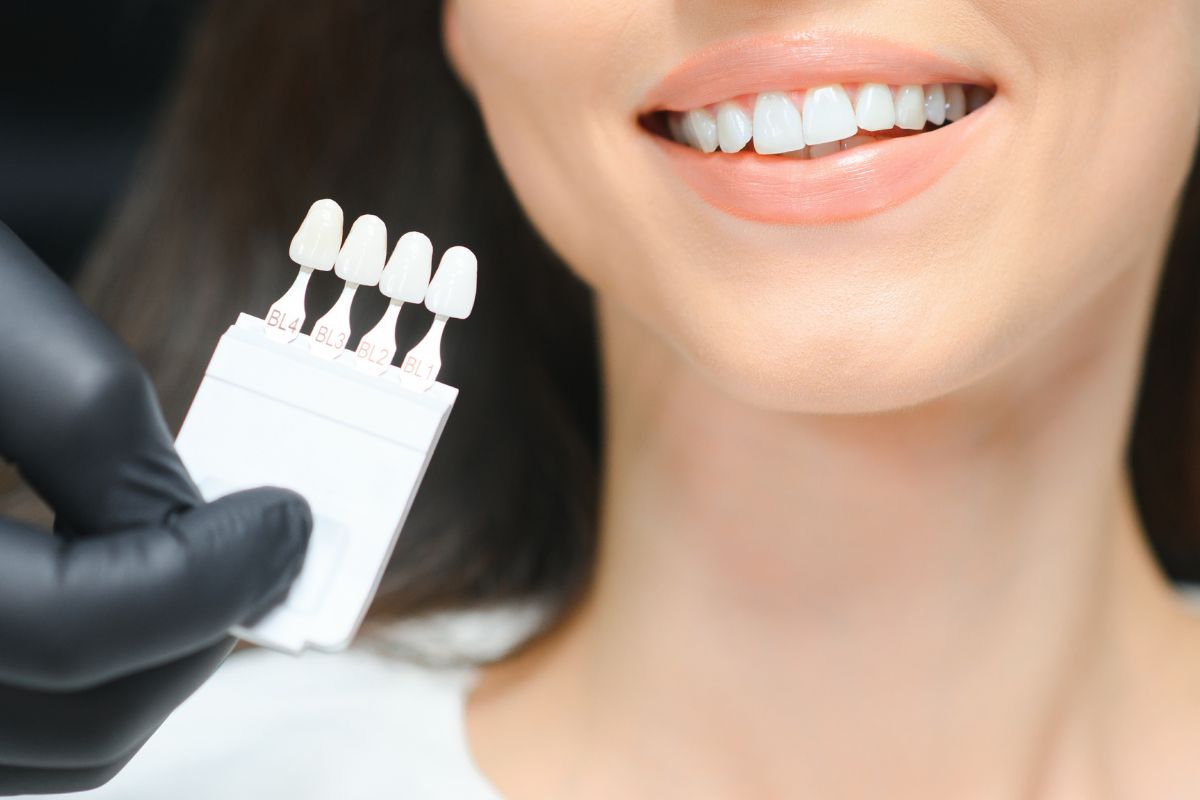
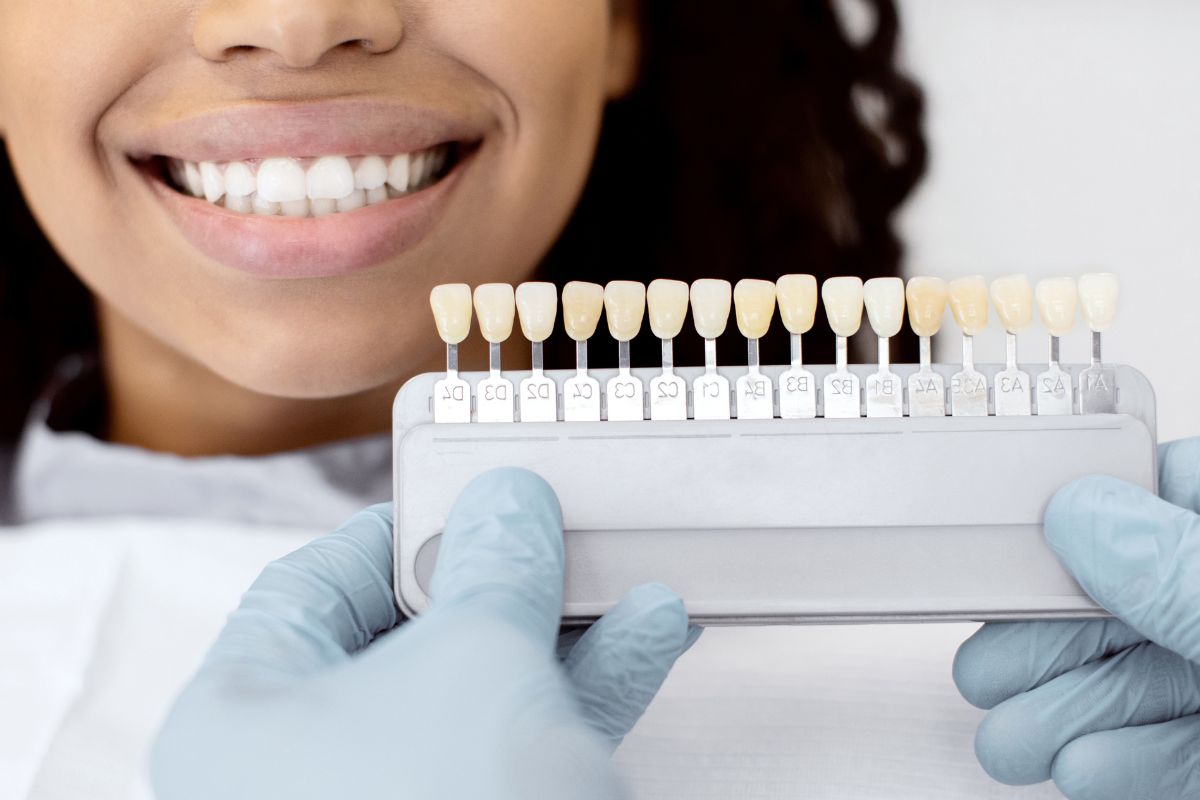
The shade was chosen based on a sample card, not the face: Very bright, very white veneers tend to draw attention on their own. If the shade isn’t balanced with skin tone, eye color, and the surrounding teeth, they can appear to “pop” in a way that reads as unnatural and therefore larger.
There was no trial smile or preview: Many practices skip the mock-up or digital preview step. Without seeing a trial version of the veneers on your actual face, it’s easy to end up with something that looked fine in photos or on a model but doesn’t work for you.
The Role of Tooth Proportions in Cosmetic Work
Dentists who specialize in cosmetic work often reference a concept called the golden proportion, a ratio that describes how teeth should ideally relate to each other in width. The central incisors (your two front teeth) should appear slightly wider than the lateral incisors next to them, which should appear slightly wider than the canines, and so on.
When this proportion is off, when the front teeth are made too wide, too long, or too square, the smile can look like it belongs to someone else.
Beyond the individual teeth, there’s also the question of how your smile fits the rest of your face. A wider smile suits a wider face. A narrower arch looks more balanced on someone with finer features. These aren’t rigid rules, but they matter, and a dentist who takes the time to match your smile to your face will deliver a result that feels like you, not a template.
How Your Lip Line and Facial Structure Factor In
One thing patients often don’t think about is how much the lips change the way veneers look.
When you smile naturally, your upper lip rises. How high it rises and how much tooth it exposes is called your smile line. Some people show a lot of tooth when they smile. Others show very little. Some show gum tissue above the teeth. Each variation changes what veneer length and shape will look balanced.
Full lips, for example, tend to frame the teeth more, which means slightly longer veneers can still look proportional. Thinner lips expose more of the tooth directly, so the same veneer length may look more prominent.
The width of your smile also matters. If veneers are placed only on the front six or eight teeth but the smile is wide enough to show more teeth behind them, you can create a visual gap a sudden shift from white, shaped veneers to unrestored natural teeth. That contrast alone can make the veneers appear larger or more artificial.
A thoughtful cosmetic plan accounts for all of this before a single tooth is touched.
What a Good Veneer Consultation Should Include
This is where the difference between a good outcome and a disappointing one is really made.
At our central Yuma practice, a veneer consultation isn’t just a conversation about how many teeth you want to cover. It involves looking at your natural smile on camera, discussing your facial structure, mapping the gum line, and, when appropriate, using a digital or physical mock-up so you can preview the result before anything is permanent.
We ask a lot of questions. What bothers you about your smile right now? What do you love about it? Have you seen results you liked on someone else, or results that felt off? Those answers shape the design every bit as much as the technical measurements do.
A smile preview, sometimes called a wax-up or a trial smile, lets you see a version of the proposed veneers on your actual teeth before any enamel is removed. You can look in the mirror, take photos, and give feedback. That step alone prevents most of the “too big” outcomes people experience.
Can Oversized Veneers Be Fixed?
Yes, in many cases, though the solution depends on what’s causing the problem.
If the veneers are slightly too long or too thick, a dentist can sometimes reshape and contour them without replacing them entirely. This involves carefully removing small amounts of porcelain to adjust the proportions. It’s a conservative fix and doesn’t always require starting over.
If the veneers are significantly oversized, or if the prep work beneath them can’t be undone, replacement may be the better path. New veneers, planned more carefully with the face and smile in mind, can deliver the natural result the first set didn’t.
The sooner you address this, the better. Veneers that don’t fit well can cause uneven bite pressure over time, which creates its own set of problems. If something feels or looks off, it’s worth getting an evaluation rather than waiting to see if you adjust.
Getting the Smile You Actually Wanted
Feeling Confident in Your Smile Starting With a Plan That Puts Your Face First.
Veneers, when designed well, should look like your teeth on their best day, not like someone else’s teeth on yours. Cases where they look too big almost always trace back to a skipped step: the face wasn’t fully considered, a trial wasn’t done, or proportions were estimated instead of mapped.
We believe good cosmetic results start with a thorough conversation and a plan built around your face, your smile, and what you want to see in the mirror. Our team has helped patients throughout Yuma, AZ achieve results that look natural, feel comfortable, and last over time. Whether you’re exploring veneers for the first time or looking to understand your options after a result you weren’t happy with, we’re here to help. If you’re looking for a skilled cosmetic dentist in Yuma who takes the time to get the details right, we’d love to be that resource. Contact us, and let’s build a smile plan that actually fits.