The phrase “root canal” often sparks dread, with some imagining it as the pinnacle of dental agony. Stories of unbearable pain circulate, but are root canals truly as bad as their reputation suggests? Let’s dive into the reality of this common dental procedure, dispel myths, and explore why it might just be the solution to your tooth troubles.
What Is a Root Canal, Anyway?
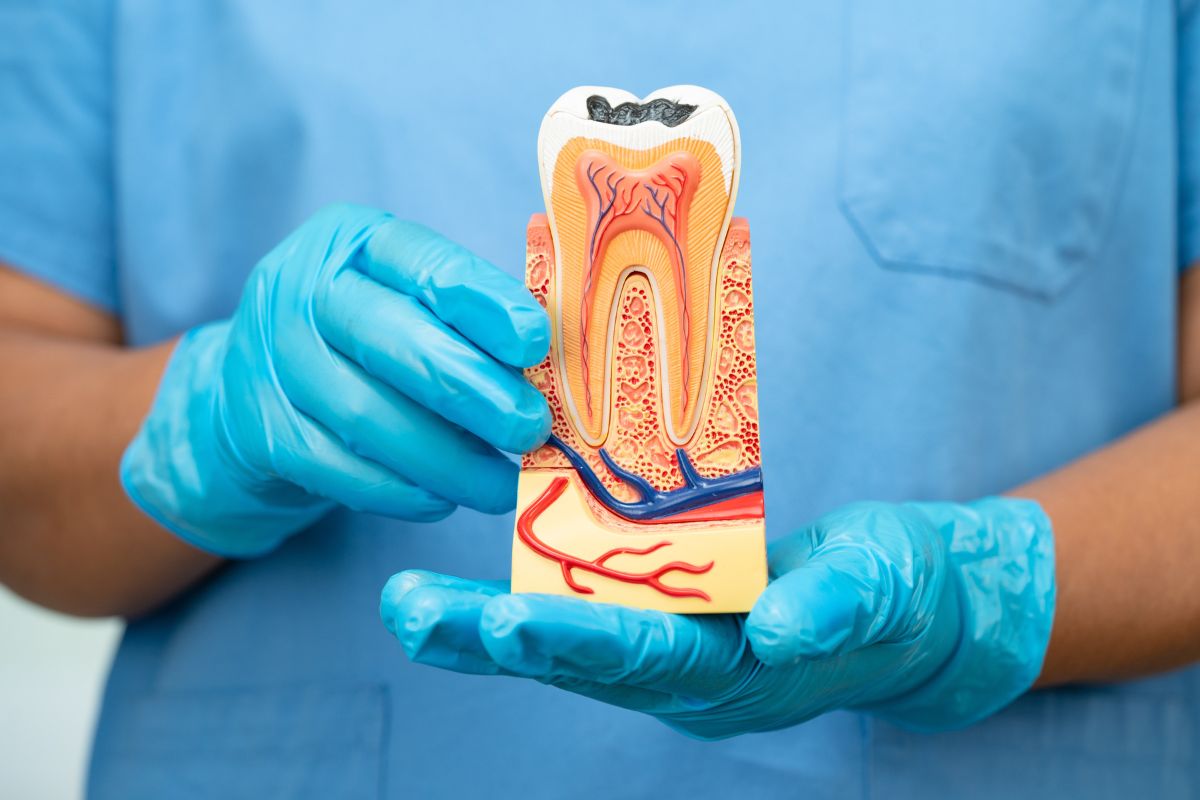
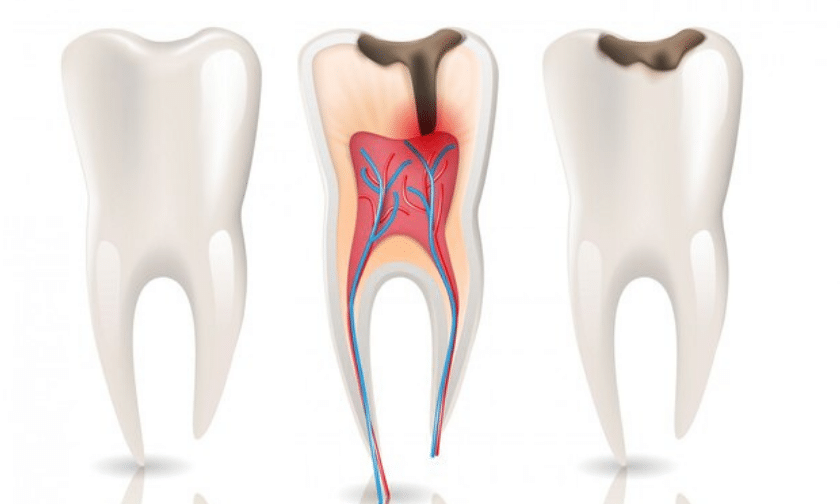
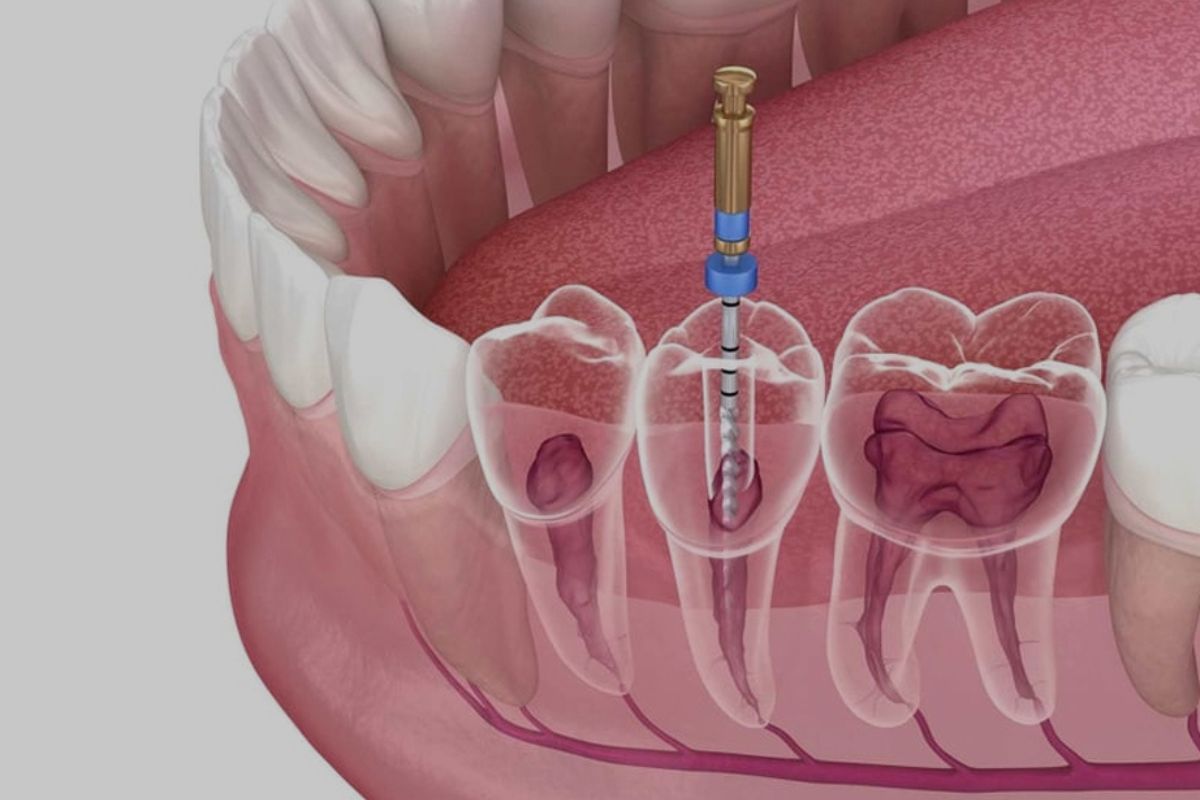
A root canal is a dental procedure designed to save a tooth that’s severely damaged or infected. Inside each tooth lies the pulp—a soft core of nerves and blood vessels. When bacteria invade due to deep decay, cracks, or trauma, the pulp can become inflamed or infected, causing intense pain. The procedure involves removing the infected pulp, cleaning the tooth’s inner chambers, and sealing it to prevent further issues. A crown often follows to restore strength and appearance.
Far from causing pain, the goal is to relieve it. Modern dentistry has transformed root canals into a routine treatment, much like getting a filling. Thanks to advanced tools and anesthetics, the process is more comfortable than ever.
Debunking the Pain Myth
The fear of root canals often stems from outdated stories. Decades ago, dental tools and anesthesia were less advanced, making procedures less comfortable. Today, local anesthesia numbs the area completely, ensuring you feel little to no discomfort during the treatment. Most patients report that a root canal feels no worse than a standard cavity filling. The real pain often comes from the infection itself, which the procedure aims to eliminate.
For those seeking root canal therapy in Foothills, AZ, skilled endodontists use cutting-edge techniques, like rotary instruments and digital imaging, to ensure precision and comfort. Post-procedure soreness is normal but typically mild, lasting a few days and manageable with over-the-counter pain relievers.
Why You Might Need a Root Canal
Root canals become necessary when the tooth’s pulp is compromised. Common reasons include:
- Deep cavities: Untreated decay can reach the pulp, causing infection.
- Cracked or fractured teeth: Trauma can expose the pulp to bacteria.
- Repeated dental work: Multiple procedures on a tooth can weaken it.
- Abscesses: Pus-filled pockets from infection can form at the tooth’s root.
Ignoring these issues can lead to severe pain, tooth loss, or even infections spreading to the jaw or beyond. A root canal preserves your natural tooth, avoiding the need for extractions or more complex treatments like implants.
The Root Canal Process: What to Expect
Curious about what happens during a root canal? Here’s a quick breakdown:
- Diagnosis: Your dentist in Foothills, AZ, will use X-rays and tests to confirm the need for a root canal.
- Anesthesia: Anesthesia ensures the area is numb.
- Pulp Removal: The dentist accesses the tooth’s interior, removes the infected pulp, and cleans the canals.
- Sealing: The canals are filled with a biocompatible material, and the tooth is sealed.
- Restoration: A crown or filling protects the tooth, restoring its function.
The procedure typically takes one to two visits, depending on the tooth’s condition. Most patients are back to normal activities the same day.
Benefits of Root Canals
Root canals offer significant advantages:
- Pain Relief: Eliminates the throbbing pain of an infected tooth.
- Tooth Preservation: Saves your natural tooth, maintaining your smile and bite.
- Prevents Spread: Stops infection from reaching the jaw or bloodstream.
- High Success Rate: Over 95% of root canals are successful, with many lasting a lifetime.
| Root Canal Statistics | Details |
|---|---|
| Success Rate | 95%+ |
| Average Procedure Time | 1-2 hours |
| Recovery Time | 1-3 days |
| Teeth Treated Annually | ~15 million in the U.S. |
Addressing Common Concerns
Some worry that root canals cause systemic health issues, like heart disease or cancer. These myths stem from debunked research from nearly a century ago. Modern studies, including those from the American Association of Endodontists, show no link between root canals and chronic illnesses. In fact, treating infections promptly can protect overall health by preventing complications like sepsis.
Another concern is reinfection. While rare, it can occur if bacteria remain in tiny canals or if the seal fails. Skilled endodontists minimize this risk with thorough cleaning and advanced sealing techniques.
Trending FAQs About Root Canals
Here are answers to some frequently asked questions about root canals, based on what people are searching for:
- Is a root canal painful? Modern anesthesia makes the procedure nearly pain-free, with most patients experiencing only mild post-treatment soreness.
- How long does a root canal take? Typically, one to two visits, each lasting 1-2 hours, depending on the tooth’s complexity.
- Can I avoid a root canal? If the pulp is infected, a root canal or extraction is often the only way to stop pain and prevent further damage.
- What happens if I skip a root canal? Untreated infections can lead to abscesses, bone loss, or systemic health risks.
- How do I care for my tooth after a root canal? Avoid chewing on the treated tooth until a crown is placed, maintain good oral hygiene, and follow your dentist’s advice.
Tips for a Smooth Recovery
Post-root canal care is straightforward but crucial:
- Manage Discomfort: Use ibuprofen or acetaminophen for mild soreness.
- Oral Hygiene: Brush gently with a soft-bristled toothbrush and floss carefully.
- Avoid Hard Foods: Stick to soft foods until the permanent crown is placed.
- Follow-Up: Attend all follow-up appointments to ensure proper healing.
If you experience severe pain, swelling, or fever days after the procedure, contact your dentist immediately, as these could signal complications like reinfection.
Why Choose a Specialist?
Endodontists, specialists in root canal therapy, have advanced training and tools to handle complex cases. Their expertise ensures a comfortable experience and lasting results. For anxious patients, options like sedation dentistry can make the process even more relaxing.
Don’t Fear the Root Canal
Root canals have an undeserved bad rap. Far from being a painful ordeal, they’re a proven way to relieve dental pain and save your natural tooth. With modern techniques, the process is efficient, comfortable, and highly effective. If you’re facing tooth pain, don’t let myths hold you back—seek expert care to restore your smile and health. At Gila Ridge Dental – Foothills, our team is dedicated to making your experience as smooth as possible. Call us at 928-770-1042 to schedule an appointment and get back to smiling confidently!