As a parent or guardian, you’ll do everything possible to ensure your child’s dental well-being. Do you know that following the American Academy of Pediatrics (AAP) recommendations helps maximize the benefits of pediatric dental care? Many parents overlook oral health, yet it plays a crucial role in a child’s smile and quality of life. Read this blog for valuable insights into preventive dentistry and ways to promote optimal dental health in kids.
Common Dental Issues in Kids
Young children have several dental health issues, which can have long-term consequences. The most prevalent problems include:
Tooth Decay: Bacteria that produce acid can erode tooth enamel, leaving baby teeth vulnerable to permanent cavities.
Gum Disease: Inflammation and bleeding gums can result from poor oral care. You can approach a pediatric dentist to treat periodontal issues and help your child maintain a healthy smile.
Early Tooth Loss: Cavities or trauma can lead youngsters to lose their teeth too soon. This might alter the alignment of your baby’s permanent teeth without proper treatment.
AAP Guidelines for Parents to Protect Young Smiles
The AAP provides evidence-based recommendations to help parents protect their children’s teeth from an early age. These include:
1. First Dental Visit by Age One
- Parents are advised to take their kids for a dental visit by their first birthday.
- Early visits help identify risks and prevent oral health problems before they worsen.
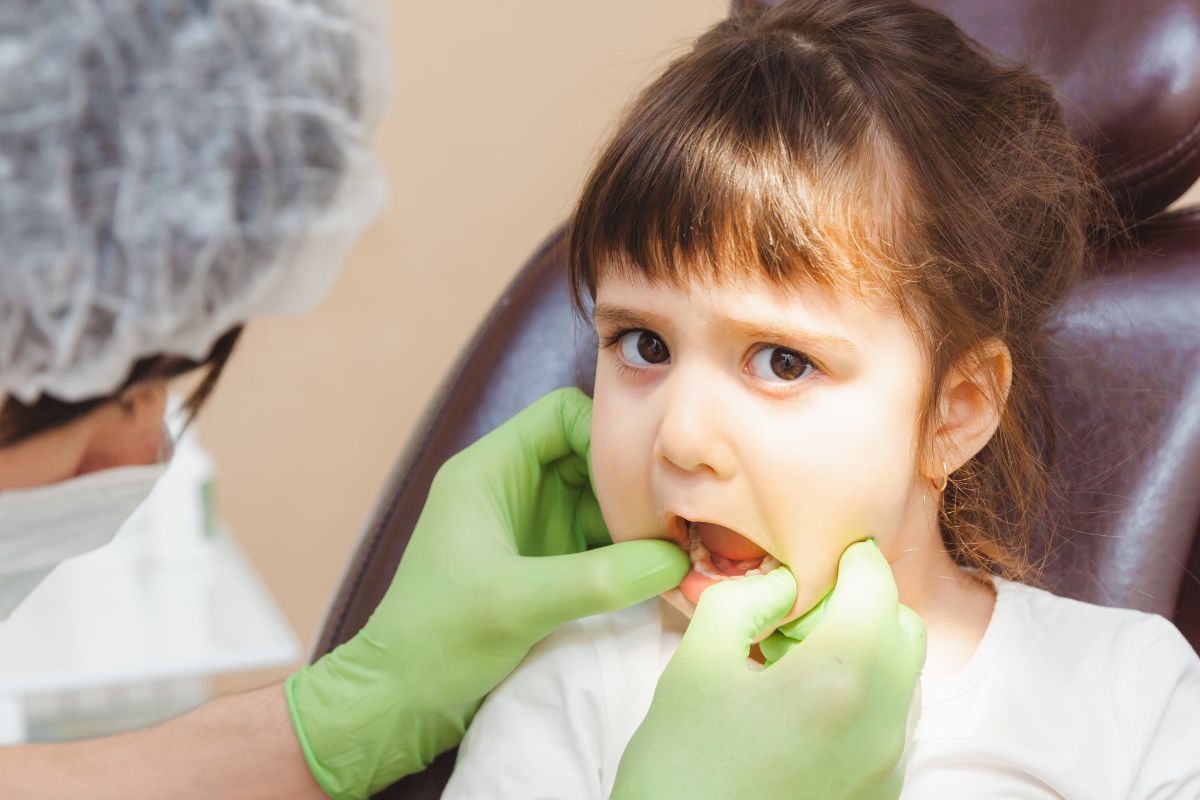
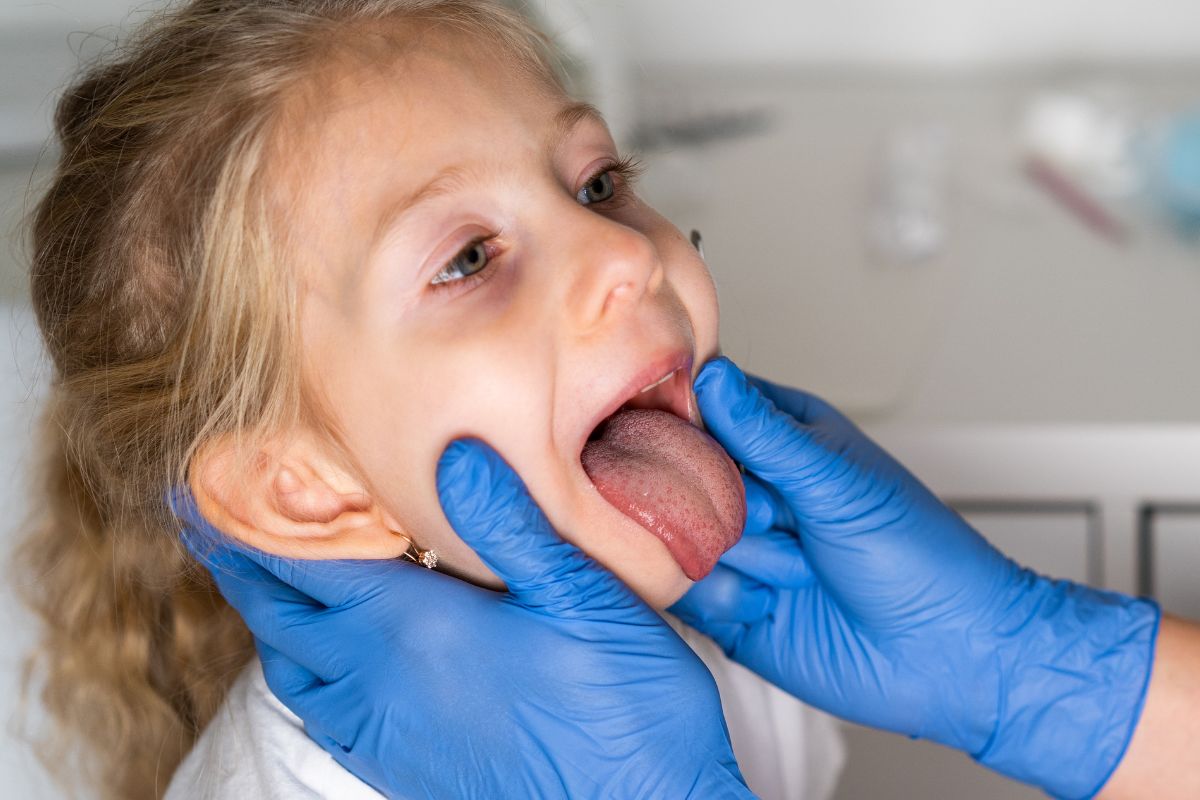
Pediatric dentistry in Yuma covers various aspects of minimizing children’s oral health risks. The approach ranges from applying fluoride to educating families and recommending age-appropriate dental care. Routine examinations prevent early detection of pediatric dental issues and assist parents in providing timely treatment to their little ones.
2. Healthy Diet for Strong Teeth
- Limit sugary snacks and drinks to prevent cavities.
- Encourage water instead of juice; the AAP recommends avoiding feeding your child juice before age one.
- For children aged 1-3, limit juice to four ounces per day.
- For older children, restrict juice intake to maintain strong enamel.
3. Use of Fluoride for Stronger Teeth
- Begin using a fluoride toothpaste as soon as the first tooth emerges.
- For children under three, brush their teeth using a tiny amount of toothpaste (about the size of a grain of rice). Beyond this age, increase it to a pea-sized amount.
Fluoridated tap water helps prevent tooth decay and cavities. Ensure a child receives an adequate amount of this mineral to protect teeth against cavities. If the water supply in your locality doesn’t meet the fluoride needs, contact a dentist for fluoride treatment.
The Importance of Early Prevention
Good oral habits in childhood set the stage for lifelong dental health. The American Academy of Pediatrics emphasizes that:
- Children should brush twice a day using fluoride toothpaste.
- Flossing should begin once the teeth start touching.
- Parents should assist with brushing until around age 10 to ensure thorough cleaning.
- Routine dental checkups help detect and prevent issues early.
Creating a positive dental routine at home sets the foundation for lifelong oral health in children. Hopefully, these AAP recommendations will help you keep your kid’s smile in shape and promote good oral health. Visit us for insights into pediatric dentistry and how your child can benefit from comprehensive care.