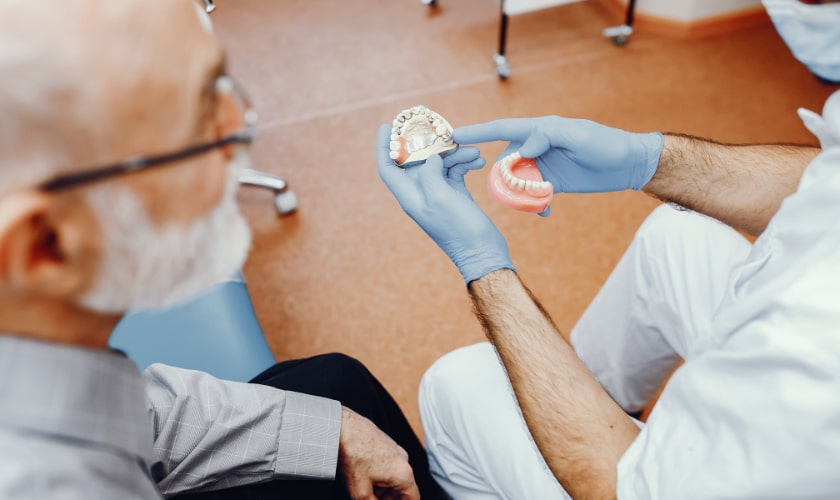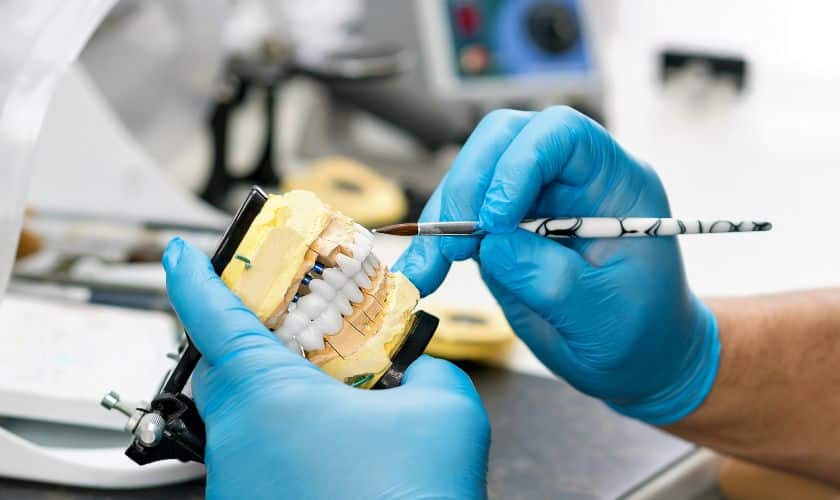
Missing teeth can significantly impact the aesthetics of your smile and your ability to chew comfortably. Dental bridges offer a popular and effective solution, restoring appearance and function. But naturally, you’ll wonder: How long can I expect my dental bridge to last? Let’s explore the factors influencing bridge longevity and essential maintenance tips to ensure your smile stays strong for years.
Understanding the Dental Bridge
A dental bridge is a custom-fabricated prosthetic device designed to fill the gap left by one or more missing teeth. It typically consists of artificial teeth, known as pontics, anchored in place by dental crowns cemented onto the adjacent natural teeth, known as abutment teeth. This fixed appliance not only fills the visible gap, restoring your smile’s completeness, but also plays a crucial role in maintaining proper chewing function and preventing the surrounding teeth from shifting into the vacant space.
The Longevity of Dental Bridges: What to Expect
On average, dental bridges can last anywhere from 5 to 15 years. However, with meticulous care and consistent maintenance, many patients enjoy the benefits of their dental bridges for much more extended periods. The lifespan of a dental bridge is influenced by a multitude of factors, including:
- Oral Hygiene Practices: Maintaining impeccable oral hygiene is paramount. Regular brushing, flossing, and antimicrobial mouthwash help prevent gum disease and tooth decay around the bridge and its abutment teeth.
- Dietary Habits: Your diet plays a significant role in the longevity of your bridge. Avoiding excessively hard, sticky, or chewy foods can minimize wear and tear and prevent damage to the prosthetic.
- Regular Dental Visits: Routine dental check-ups and professional cleanings are essential for monitoring the bridge’s condition and addressing potential issues in their early stages.
- Individual Oral Health: Factors such as the health of your gums, the alignment of your bite, and any underlying oral health conditions can also influence the durability and lifespan of your dental bridge.
Factors Affecting the Longevity of Dental Bridges in Detail
- Oral Hygiene: Brushing and flossing around your dental bridge, particularly beneath the pontic and between the abutment teeth, is crucial. Poor hygiene can lead to plaque buildup, gum inflammation, and gum disease, compromising the bridge’s support structure.
- Dietary Habits: Consistent consumption of hard, sticky, or sugary foods can place excessive stress on the bridge, potentially leading to fractures, loosening of the crowns, or accelerated decay in the supporting teeth.
- Regular Dental Check-Ups: Regular visits to your dentist allow for professional cleanings, thorough examinations, and timely interventions if any issues arise. Early detection and treatment of problems can significantly extend the lifespan of your bridge.
- Bruxism (Teeth Grinding): Habitual grinding or clenching of the teeth can exert tremendous force on the dental bridge, leading to fractures or loosening. Wearing a custom-fitted nightguard can help protect your bridge from this damaging habit.
- Material and Quality: The type of materials used in fabricating your dental bridge, as well as the expertise and precision of the dental laboratory, directly impact its durability and longevity. High-quality materials and skilled craftsmanship contribute to a more resilient and long-lasting bridge.
Essential Maintenance Tips for a Long-Lasting Dental Bridge
- Daily Brushing and Flossing: Use a soft-bristled toothbrush and non-abrasive toothpaste to clean your teeth and the bridge gently. Use specialized floss threaders or interdental brushes to clean beneath the pontic and between the abutment teeth effectively.
- Use an Antimicrobial Mouthwash: Incorporating an antimicrobial mouthwash into your daily oral hygiene routine can help reduce plaque buildup and maintain healthy gums around your dental bridge.
- Avoid Hard and Sticky Foods: Avoid chewing on ice, hard candies, or sticky foods that can damage your dental bridge. Instead, opt for a balanced, gentle diet for your teeth and gums.
- Regular Dental Check-Ups: Schedule dental check-ups and professional cleanings every six months or as your dentist recommends. Routine examinations allow for early detection and treatment of potential issues.
- Wear a Nightguard if Needed: If you grind or clench your teeth, wear a custom-fitted nightguard to protect your dental bridge from undue pressure.
- Follow Your Dentist’s Recommendations: Your dentist may provide personalized maintenance tips tailored to your unique oral health needs. Adhering to their advice is crucial for the long-term success of your dental bridge.
Ensuring the Longevity of Your Smile
Dental bridges are a reliable and aesthetically pleasing solution for restoring your smile and oral function. With an average lifespan of 5 to 15 years, the key to enjoying your dental bridge for as long as possible lies in diligent oral hygiene practices, mindful dietary habits, regular dental visits, and protective measures against habits like teeth grinding. By consistently implementing these maintenance tips, you can ensure that your dental bridge remains a durable and valuable component of your smile for many years.
Ready to maximize the longevity and beauty of your dental bridge? Schedule your next dental check-up today and discuss personalized care strategies with Gila Ridge Dental – Foothills. Your smile is a valuable asset, and it deserves the best possible care.