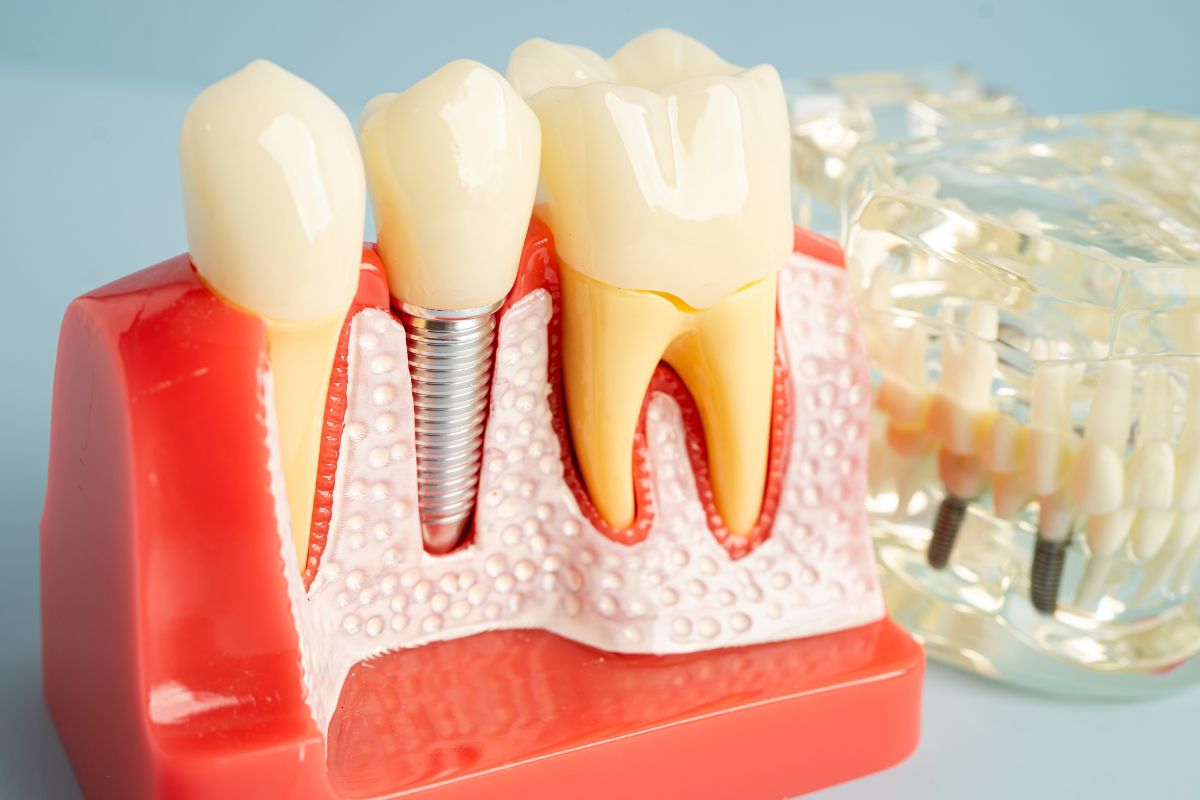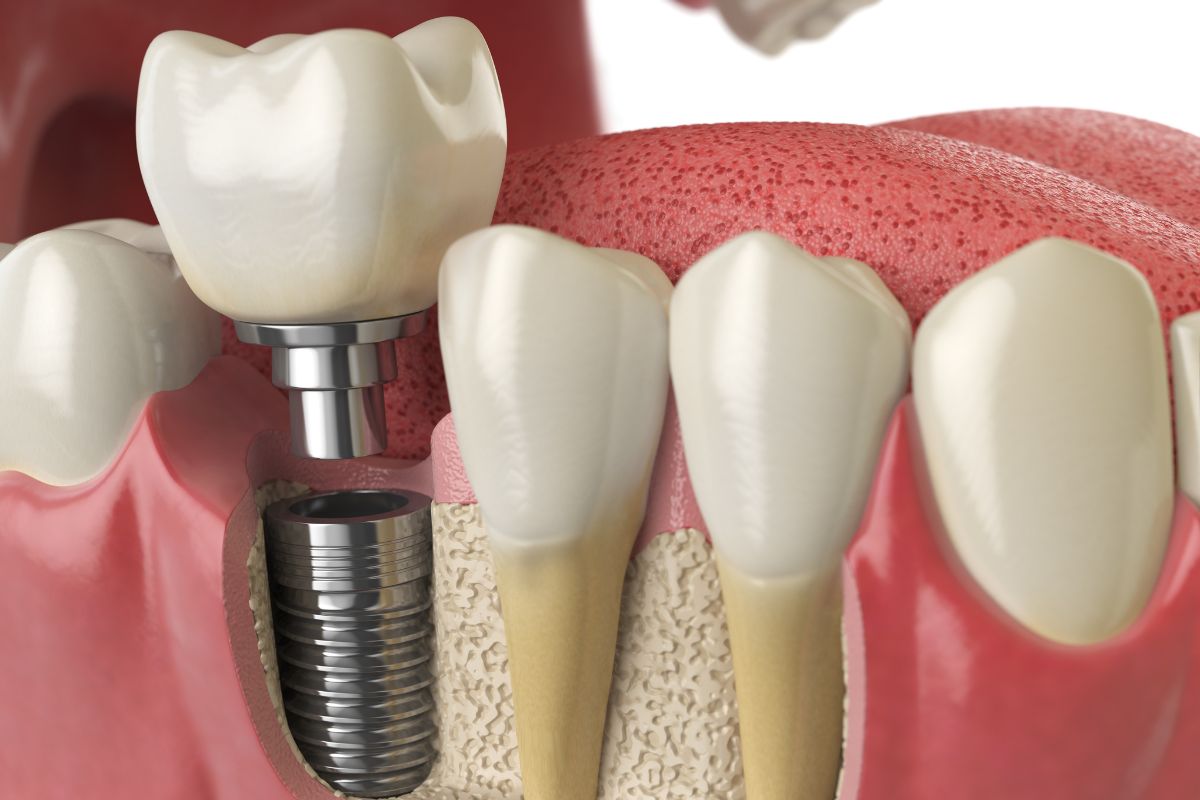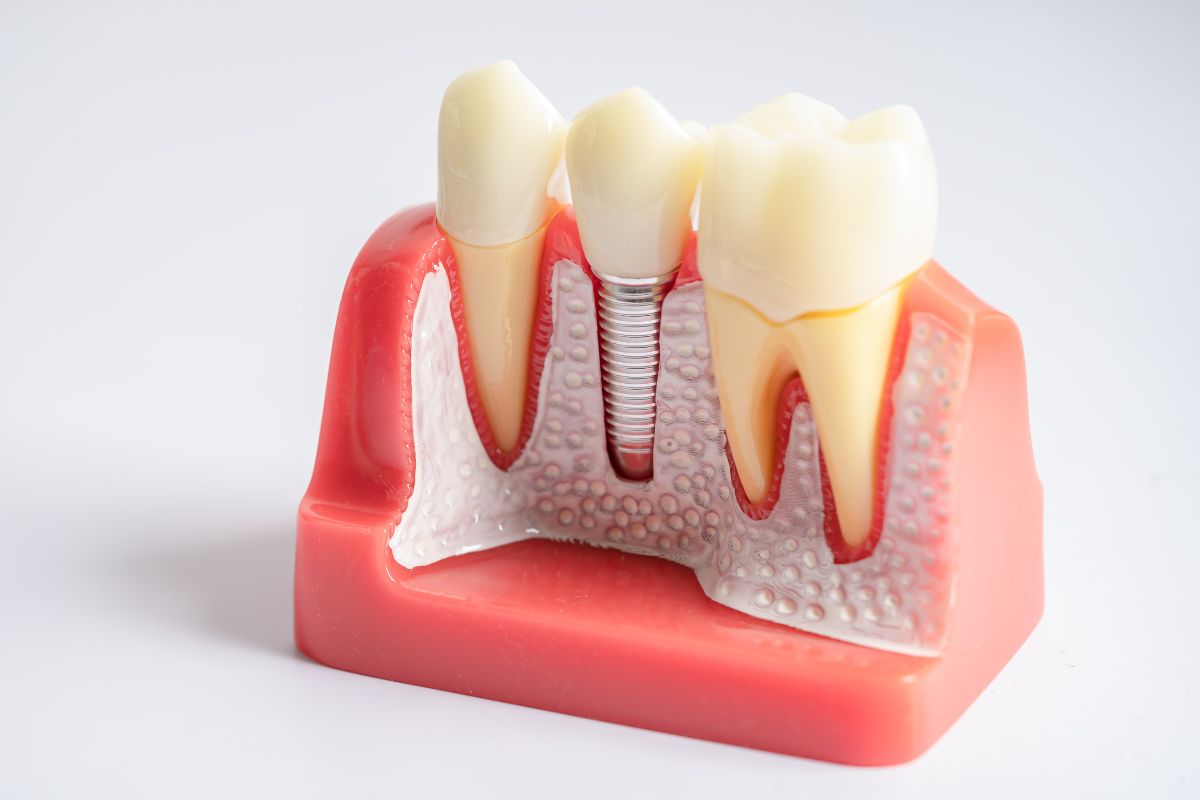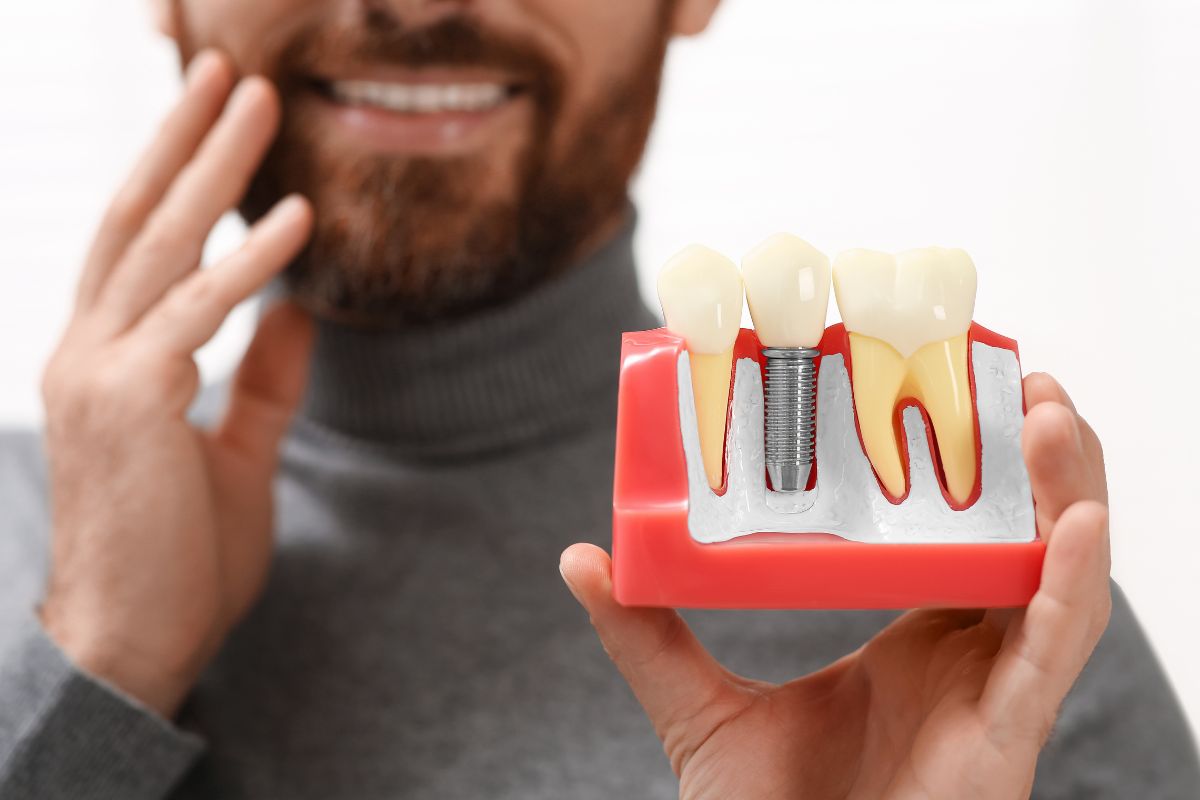
Dental implants are one of the most reliable ways to replace missing teeth, but their long-term success depends on proper daily care. The most effective method for brushing and flossing around implants involves using a soft-bristled toothbrush, gently cleaning along the gumline, and daily removing plaque from between teeth and implants. Consistent oral hygiene helps prevent gum inflammation, protects the supporting bone, and keeps your implant functioning as intended.
Many people assume implants are maintenance-free because they cannot develop cavities. While the implant itself cannot decay, the surrounding gums and bone remain vulnerable to bacterial infection. Without proper cleaning, plaque can accumulate around the implant, leading to complications that threaten its stability.
At Gila Ridge Dental, our dental team routinely helps patients maintain healthy implants through preventive care, professional evaluations, and personalized home-care recommendations. Their clinical experience allows them to identify small concerns before they develop into larger problems. If you are considering dental implant treatment in Yuma or want guidance on caring for an existing implant, schedule a consultation with our team for personalized recommendations.
According to the Centers for Disease Control and Prevention (CDC), nearly half of adults aged 30 and older show signs of gum disease. As healthy gum tissue plays a critical role in implant stability, controlling plaque around the artificial tooth root is one of the most important parts of long-term maintenance.
Importance of Hygiene Around an Implant
These oral appliances require daily cleaning because bacteria can still affect the surrounding gums and bone. Healthy tissues are essential for supporting the implant and preserving its long-term success.
Plaque naturally forms on teeth and dental restorations throughout the day. When it accumulates around an implant, it can irritate the gum tissue and cause peri-implant mucositis, an early-stage inflammatory condition. If not addressed, this inflammation can progress to peri-implantitis, a more serious condition involving bone loss around the implant.
Unlike natural teeth, implants do not have the same connective tissue attachment system. This means inflammation can sometimes advance with few noticeable symptoms until damage has already occurred. That is why daily cleaning is essential, even when everything feels normal.
Why Do Implants Need Different Care Than Natural Teeth?
Although implants look and function like natural teeth, they require specialized attention because the tissues supporting them respond differently to bacteria and inflammation.
Natural teeth are connected to the jaw through a periodontal ligament that helps cushion forces and provides additional protection. Implants fuse directly with the jawbone via a process known as osseointegration.
Because implants lack a periodontal ligament, plaque control becomes even more important. Early inflammation around an implant can progress quickly if bacteria remain undisturbed near the gumline. Proper brushing and flossing help reduce this risk and protect the investment you have made in your smile.
Our Dentist Recommended Brushing Tips Around an Implanted Tooth
Brush at least twice daily using a soft-bristled toothbrush and gentle pressure. The goal is to remove plaque while protecting the surrounding gum tissue.
Choose the Right Toothbrush
A soft-bristled brush is generally recommended for implant patients because it cleans effectively without irritating the gums.
Look for:
- Soft or extra-soft bristles
- A compact brush head
- An electric toothbrush with pressure control features
- Dentist-recommended implant care brushes
Hard bristles can contribute to gum recession and make sensitive tissues more vulnerable to irritation.
Focus on the Gumline
The area where the implant crown meets the gums is one of the most important places to clean.
Position the toothbrush at a slight angle toward the gumline and use gentle circular motions. Avoid aggressive scrubbing, which can damage soft tissues over time.
Pay close attention to:
- Front surfaces
- Back surfaces
- Chewing surfaces
- Areas between teeth
- The implant-gum junction
Brush for the Full Two Minutes
Many people underestimate how long they brush. Spending a full two minutes helps ensure plaque is removed from every surface.
Don’t Forget Your Tongue
The tongue can contain a significant amount of bacteria. Cleaning it daily helps reduce bacterial levels throughout the mouth and supports overall oral health.
Choosing the Right Toothpaste Matters
A low-abrasive toothpaste helps clean implant restorations without creating microscopic scratches that can attract plaque.
When selecting toothpaste, look for products that:
- Contain fluoride
- Support gum health
- Are non-abrasive
- Are recommended by dental professionals
Some highly abrasive whitening products may not be ideal for long-term implant maintenance. If you are unsure which toothpaste is best, ask your dentist for guidance.
Effective Flossing Technique Around an Implanted Tooth
Flossing clears away plaque and food particles from spots that your toothbrush can’t reach. It remains one of the most important parts of implant maintenance.
Even patients who brush thoroughly can miss bacteria between teeth and around implant restorations.
Traditional Implant Floss
Specialized implant floss is designed to clean effectively around restorations while remaining gentle on soft tissues.
To floss correctly:
- Carefully slide the floss between the implant and the adjacent tooth.
- Curve the floss around the implant.
- Move it gently up and down.
- Clean beneath the gumline when recommended.
- Remove the floss carefully.
Avoid snapping the floss into your gums, since this can lead to irritation.
Floss Threaders
Patients with implant-supported bridges often benefit from floss threaders. These tools help guide floss beneath restorations where food particles and bacteria commonly accumulate.
Do Water Flossers Effectively Clean Near Implants?
Yes. Water flossers can be an excellent addition to your oral hygiene routine, especially for patients with implants, bridges, or hard-to-reach areas.
A water flosser uses a controlled stream of water to remove food debris and disrupt bacterial biofilm.
Benefits include:
- Improved cleaning around implant restorations
- Better access beneath bridges
- Reduced plaque accumulation
- Enhanced gum health
- Easier cleaning for patients with dexterity challenges
Many patients with dental implants find that combining traditional flossing with a water flosser provides a more thorough cleaning routine.
Additional Tools That Help
Several specialized oral hygiene tools can make implant maintenance easier and more effective.
Interdental Brushes
These small brushes clean spaces that standard toothbrushes may not reach effectively.
Oral Irrigators
Oral irrigators help flush bacteria and food particles from difficult-to-access areas around implant restorations.
Antimicrobial Mouth Rinses
Certain mouth rinses may help reduce bacterial levels and support healthy gums when used alongside brushing and flossing.
Always use products recommended by your dental professional.
Signs You May Not Be Cleaning Your Implant Effectively
Bleeding gums, persistent bad breath, tenderness, or visible plaque buildup around an implant may indicate that your home-care routine needs improvement.
Watch for:
- Bleeding while brushing or flossing
- Swollen gum tissue
- Persistent bad breath
- A bad taste in the mouth
- Gum recession around the implant
- Difficulty cleaning certain areas
These signs do not always indicate serious problems, but they should never be ignored. Early intervention can help prevent more significant complications.
Common Mistakes Implant Patients Should Avoid
Small daily habits can have a major impact on implant health. Avoiding common mistakes helps protect your restoration and supporting tissues.
| Mistake | Why It Matters |
| Skipping flossing | Allows plaque to remain between teeth and implants |
| Brushing too aggressively | Can irritate or damage gum tissue |
| Missing routine checkups | Small issues may go undetected |
| Using hard-bristled brushes | May contribute to gum recession |
| Ignoring bleeding gums | Could signal early inflammation |
| Inconsistent home care | Increases the risk of peri-implant disease |
Patients who receive dental implants often focus on the surgical procedure itself. However, the daily habits practiced after treatment play a major role in determining long-term success.
How Often Should You Visit Your Dentist After Receiving an Implant Tooth?
Regular dental visits allow your dentist to monitor implant health, detect early concerns, and provide professional maintenance.
Even patients with excellent home-care habits benefit from periodic evaluations.
Professional visits help:
- Assess implant stability
- Monitor bone and gum health
- Remove hardened plaque deposits
- Evaluate bite function
- Reinforce proper hygiene techniques
Dry mouth can reduce the amount of saliva available to naturally wash away bacteria, increasing the risk of plaque buildup around both natural teeth and dental implants. Staying well hydrated and maintaining a consistent oral hygiene routine can help protect your gums and support long-term implant health.
Long-Term Implant Success Starts With Daily Care
Implants are designed to provide a durable, natural-looking solution for missing teeth, but their longevity depends on how well they are maintained. Brushing carefully, flossing consistently, using the right tools, and attending routine dental visits all work together to protect the tissues that support your implant.
Every implant patient has different gum tissue characteristics, bone levels, and restoration designs. A personalized evaluation allows your dentist to assess these factors and recommend the most effective cleaning techniques for your specific situation.
Protect Your Smile With Our Professional Implant Care
Whether you recently completed implant treatment or are exploring your tooth replacement options, professional guidance can help you achieve the best possible outcome. At our dental office, we provide comprehensive implant care, preventive evaluations, and personalized recommendations designed around your individual needs. We are proud to serve patients throughout Central Yuma, West Yuma, and Foothills, helping our community maintain healthy, confident smiles.
Frequently Asked Questions
Can I brush my dental implant immediately after surgery?
Your dentist will provide specific instructions based on your procedure. Gentle cleaning is often recommended, but direct brushing over the surgical site may need to wait.
How many times a day should I clean around my implant?
Brush at least twice a day and floss once daily to remove plaque and help keep the surrounding gums healthy.
Is bleeding around a dental implant normal?
Minor irritation may occur at first, but ongoing bleeding is not normal and should be evaluated by your dentist.
Can a water flosser replace traditional floss?
A water flosser is a great addition to your routine, but using it alongside traditional floss often provides the best results.
How long can dental implants last with proper care?
With good oral hygiene and regular dental checkups, dental implants can remain healthy and functional for many years.