Severe bone loss doesn’t automatically rule out dental implants, but it does mean your treatment path may look a little different than you’d expect.
A lot of people come in having already made up their minds. They’ve been told somewhere along the way that because they’ve lost significant jawbone, implants simply aren’t an option for them. In many cases, that’s not the full picture. At Gila Ridge Dental, we see patients in this situation regularly, and the truth is that the dental implant procedure has advanced to the point where even significant bone loss is often something we can work around with the right plan.
Dr. Garner works with patients who’ve been missing teeth for years, sometimes decades, and helps them understand what’s actually possible based on their individual bone structure, health history, and goals. That process starts with an honest conversation and a thorough evaluation, not assumptions.
What Happens to Your Jaw When You Lose a Tooth?
Most people don’t realize that your jawbone depends on your teeth to stay healthy. Every time you chew, your tooth roots send stimulation down into the bone, signaling your body to keep producing new bone tissue in that area.
When a tooth is lost and not replaced, that stimulation stops. The bone in that spot no longer gets the signal it needs, and over time, your body begins to reabsorb it. This process, called resorption, starts within just a few months of tooth loss and continues gradually over the years.
By the time many patients come in asking about implants, they’ve already lost a meaningful amount of bone volume in the area where a tooth used to be. The longer the tooth has been missing, the more significant that loss tends to be.
What “Severe” Bone Loss Actually Means for Implants
Not all bone loss is equal. When we talk about whether implants are possible, we’re looking at two main factors: how much bone is present, and where exactly the loss has occurred.
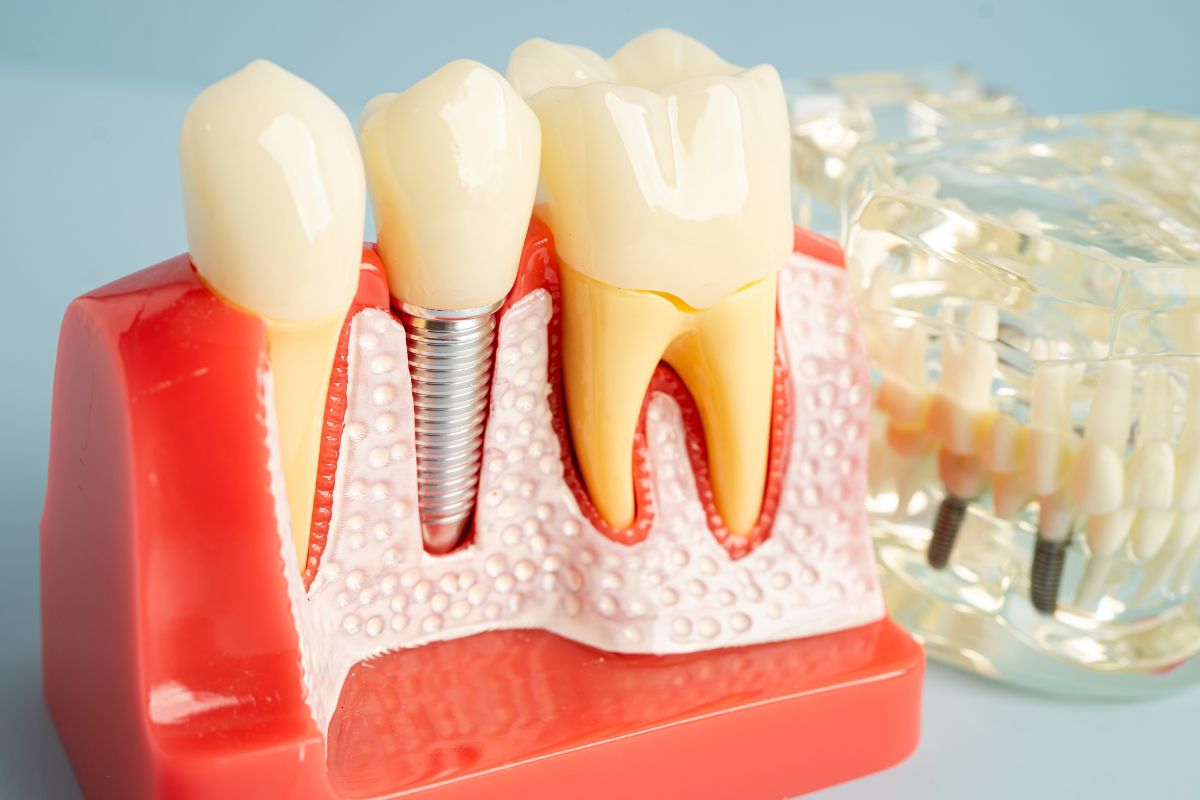
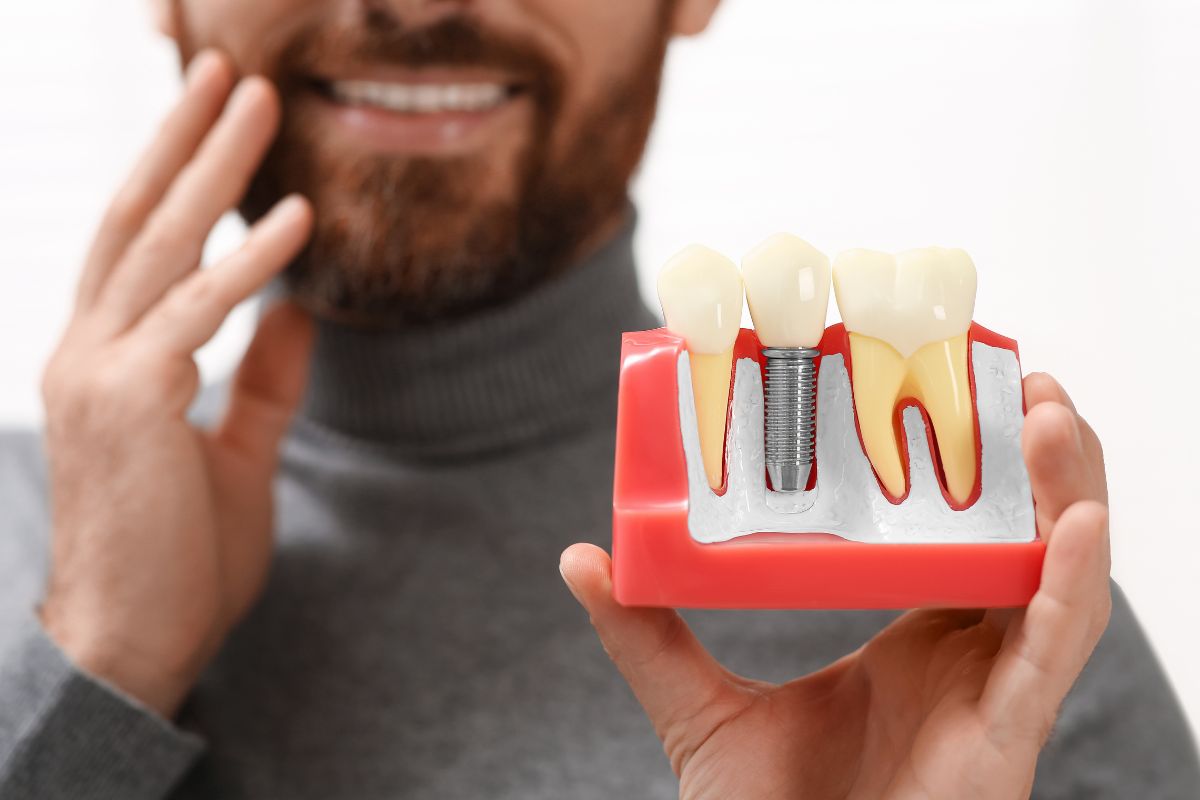
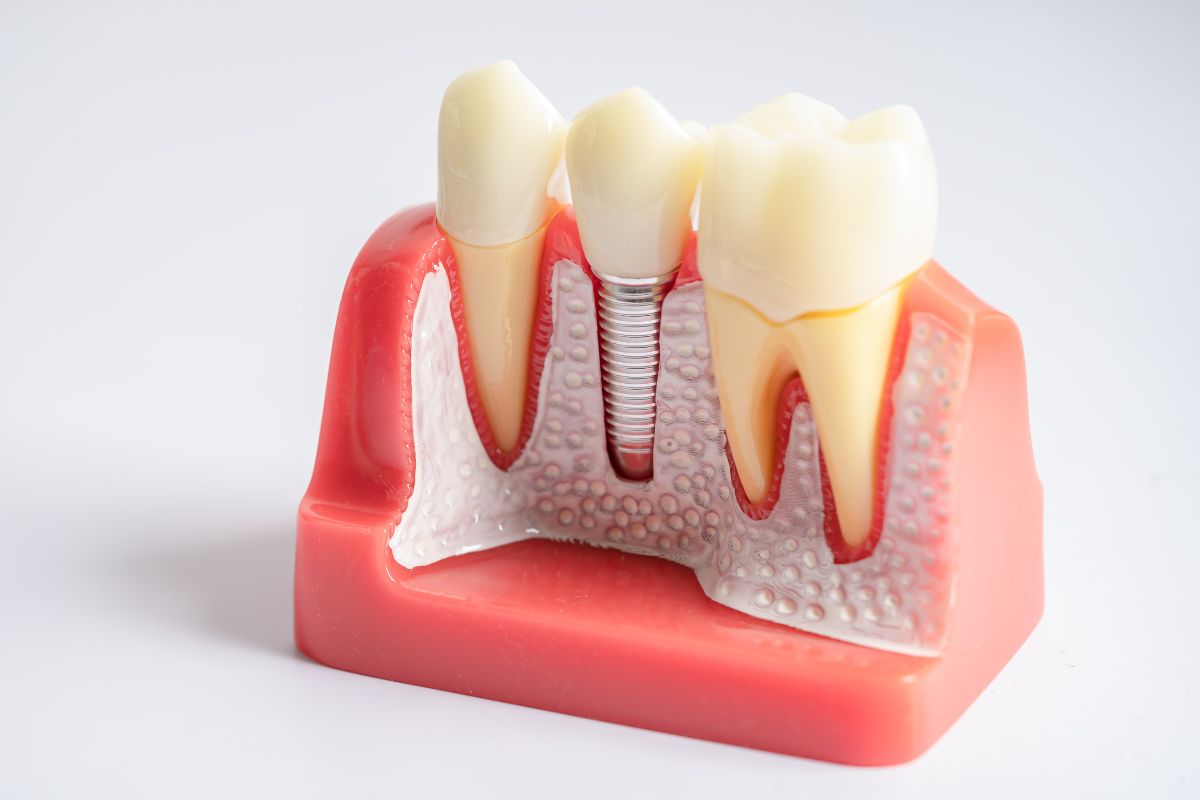
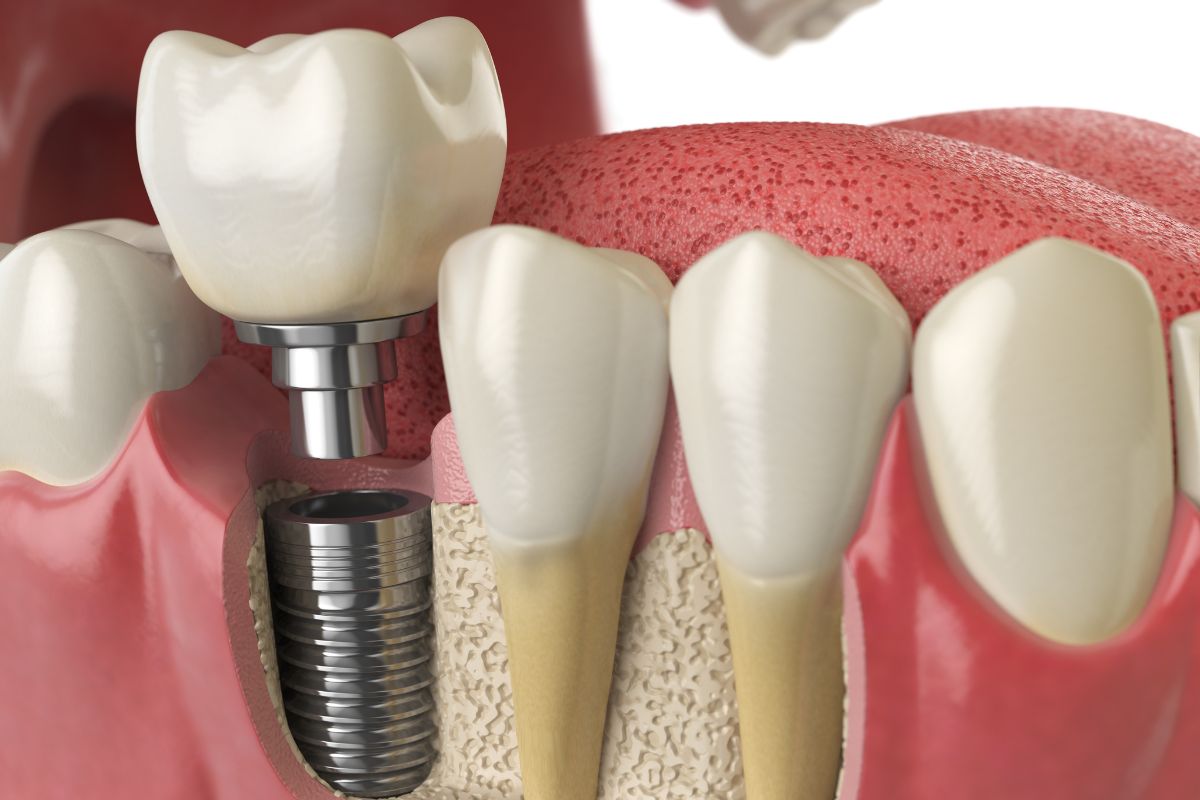
Dental implants are small titanium posts that are placed directly into the jawbone. For an implant to be stable and successful long-term, there needs to be enough bone to hold it securely in both height and width. If there isn’t enough bone volume, the implant won’t have the foundation it needs.
When Dr. Garner evaluates a patient for implants, he uses digital imaging to get a clear picture of what the bone looks like beneath the surface. This tells us exactly how much bone is present, where the deficiencies are, and whether additional procedures would be needed before moving forward.
What surprises many patients is that “severe” bone loss doesn’t mean automatic disqualification. It means we need to look at what additional steps might be necessary to make implants a realistic and lasting option.
Can You Still Get Implants With Significant Bone Loss?
In most cases, yes, though the answer depends on the specific details of your situation.
When there isn’t quite enough bone to support an implant directly, the most common solution is bone grafting. A bone graft is a procedure that adds bone material to the deficient area, giving your jaw the volume it needs to support an implant down the line. It’s not a workaround; it’s a well-established part of implant dentistry that significantly expands who is a candidate for this treatment.
For patients with bone loss in the upper jaw, particularly toward the back, a procedure called a sinus lift may also be part of the plan. The sinuses sit just above the upper back teeth, and when bone has been lost in that region, the sinus cavity can drop lower, leaving insufficient room for an implant. A sinus lift creates the space needed by gently lifting the sinus membrane and adding bone material beneath it.
Neither of these is unusual. They’re routine steps in implant treatment planning for patients who have experienced bone loss.
Bone Grafting: What It Is and What to Expect
Bone grafting sounds more intimidating than it usually is. In straightforward terms, a graft involves placing bone material into the area where your jawbone has shrunk, and then allowing your body to integrate that material over time.
The bone material used can come from a few different sources: your own bone, donor bone from a tissue bank, or synthetic materials that your body responds to in the same way. Your provider will talk through which option makes the most sense based on the size of the graft needed and your overall health.
After the graft is placed, there’s a healing period. This is not something that happens in a week. Depending on how much grafting is needed, the waiting period before an implant can be placed can range from a few months to closer to six months. It requires some patience, but the end result a stable implant that can last for decades is worth the wait for most patients.
At our dental office, once the bone has fully healed and integrated, we move forward with placing the implant. The implant post is placed into the bone, followed by another healing period as the implant bonds with the surrounding tissue. After that, the final crown is attached, completing the restoration.
What If the Bone Loss Is Too Severe Even for a Graft?
In some cases, the bone loss is extensive enough that grafting alone may not create a sufficient foundation for standard implants. This is less common, but it does happen, and there are still options.
Mini implants are narrower than standard implants and require less bone volume for placement. They’re not appropriate for every situation, but for some patients they offer a viable path to a more stable restoration than traditional dentures.
Implant-supported dentures are another option worth understanding. Rather than replacing each missing tooth individually, this approach uses a smaller number of implants, sometimes as few as two or four, to anchor a full-arch denture securely in place. The denture snaps onto the implants, eliminating the slipping and instability that most denture wearers find frustrating. Patients who choose this route often describe it as the closest thing to having their natural teeth back.
The honest answer is: every case is different. The goal of an evaluation isn’t to give you a one-size-fits-all answer; it’s to understand your specific anatomy and give you a realistic picture of what’s possible.
How Long Does the Full Process Take?
This is one of the most common questions we hear, and it’s a fair one. The timeline for dental implants, especially when bone grafting is involved, can feel long compared to other dental treatments.
Here’s a general picture:
- Evaluation and imaging: 1–2 appointments
- Bone grafting (if needed) and healing: 3–6 months
- Implant placement and osseointegration: 3–6 months
- Final crown placement: 1–2 appointments
From start to finish, patients with significant bone loss are often looking at a timeline of 9 to 18 months or more. That can feel like a long road, but the result is a restoration built to last, not a temporary fix.
Signs It’s Time to Come In for an Evaluation
If any of the following sound familiar, an implant evaluation is worth having:
- You’ve been missing one or more teeth for several years
- You currently wear a partial or full denture and struggle with fit, comfort, or confidence
- You were told in the past that implants weren’t an option for you
- You’ve noticed your face looks different or your jaw feels like it has “shifted”
- You want a permanent solution rather than something removable
These are exactly the kinds of situations our dentist helps patients navigate. A single evaluation appointment is often all it takes to know where you stand and what your realistic options are.
Your Next Step Toward a Stronger, More Complete Smile
Missing teeth and bone loss can feel like they’ve closed the door on a permanent solution, but for many patients, that door is still very much open. At our dental practice, we take the time to understand your full picture before drawing any conclusions. Whether you need a straightforward dental implant or a more involved path that includes bone grafting, our goal is to give you accurate information and a treatment plan that works for your life.
Don’t let uncertainty keep you from finding out what’s truly possible for your smile. Request an appointment with our team today and take the first step toward knowing your options.