Losing a tooth can affect more than the appearance of your smile. You might find yourself chewing differently, avoiding certain foods, or feeling self-conscious when talking or laughing. Even if the gap does not cause immediate discomfort, leaving a missing tooth untreated can create challenges for your remaining teeth and overall oral health.
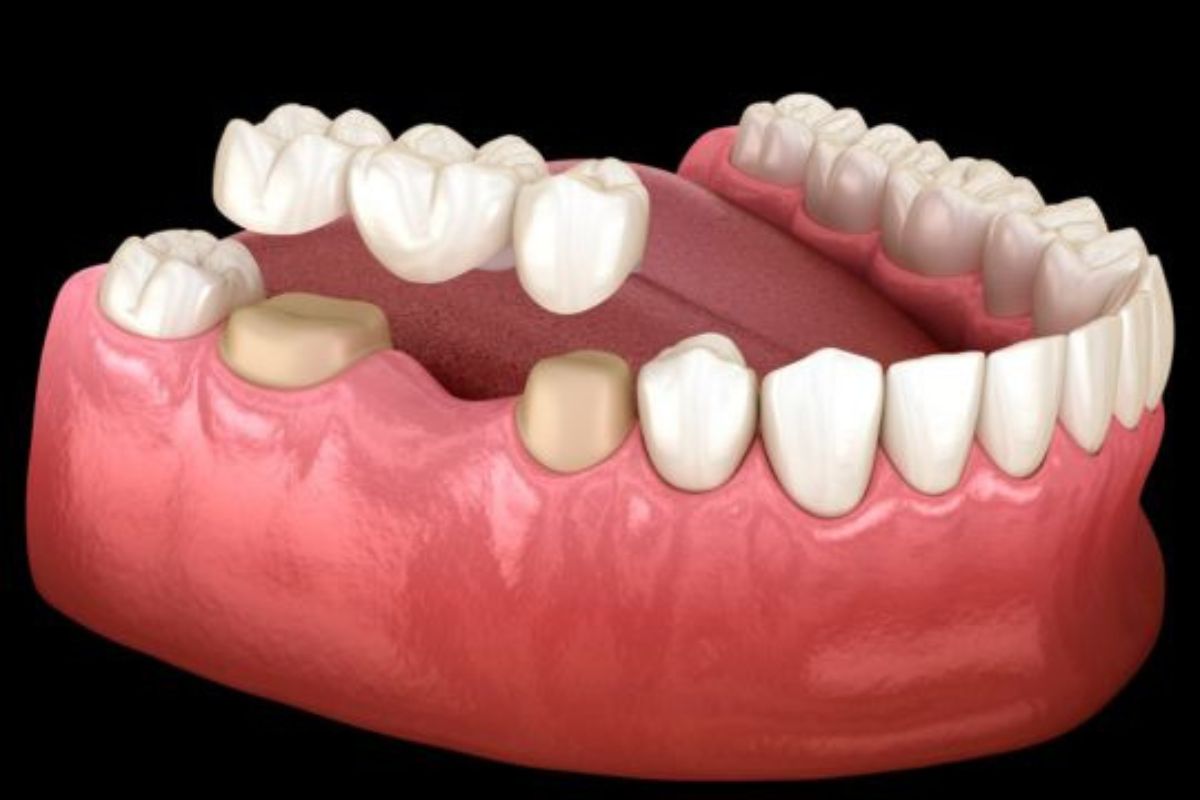
One option worth discussing with your dentist is a dental bridge. If you are exploring dental bridge treatment in West Yuma, understanding the common signs that you may benefit from this restoration can help you make a more informed decision. A dental bridge is a fixed replacement that fills the space left by one or more missing teeth, using supporting teeth or dental implants for stability.
But how do you know whether this treatment is right for you? Here are seven signs that it may be time to schedule a dental evaluation.
Quick Answer: When Might You Need a Dental Bridge?
You may need a dental bridge if you have a missing tooth, difficulty chewing, neighboring teeth shifting into the empty space, changes in your bite, or concerns about your smile. A bridge may also be considered when a damaged tooth cannot be saved. However, only a dental examination can determine the most appropriate replacement option.
1. You Have One or More Missing Teeth
This is the most obvious sign that you may benefit from a dental bridge.
A missing tooth leaves an open space between your remaining teeth. Depending on its location, the gap may affect your ability to bite, chew, or speak comfortably. It can also change the appearance of your smile, especially when the missing tooth is near the front of your mouth.
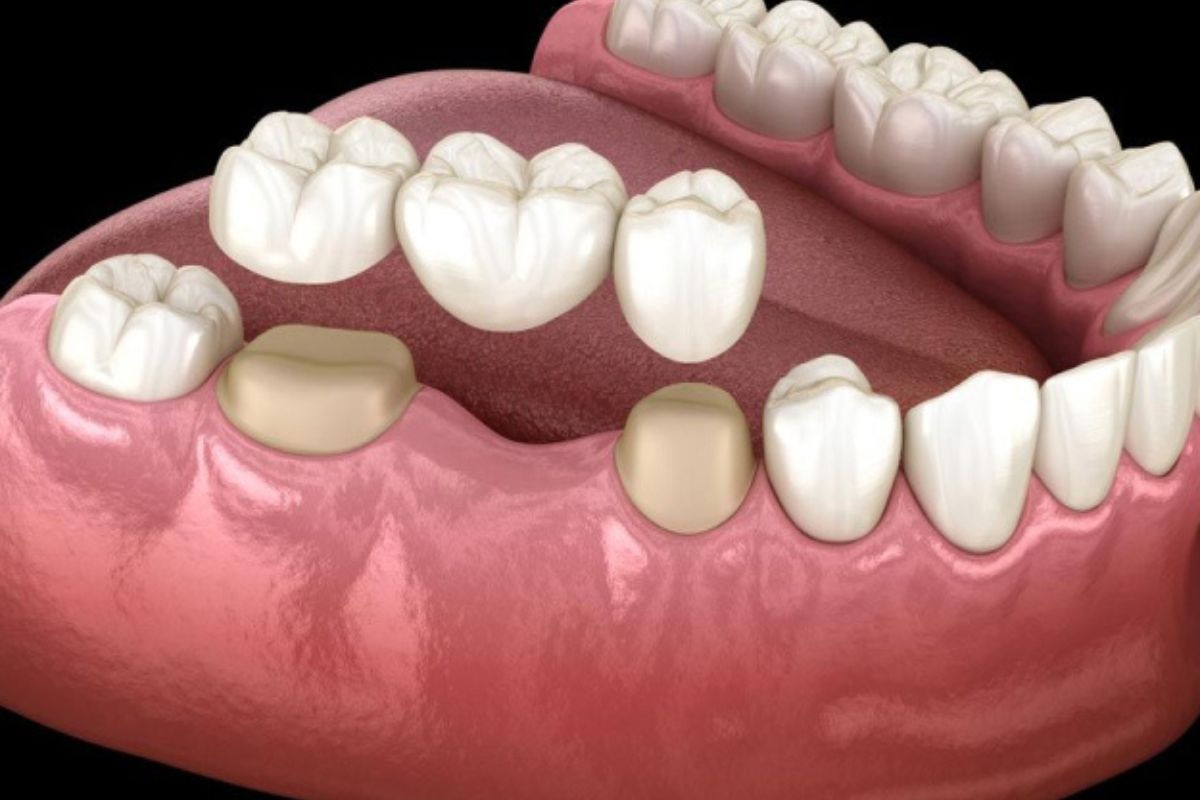
A dental bridge is designed to fill this space with an artificial tooth called a pontic. The replacement tooth is supported by neighboring teeth or, in some cases, dental implants.
If you have lost a tooth because of decay, injury, or extraction, ask your dentist whether a bridge could be a suitable replacement.
2. You Find It Difficult to Chew Certain Foods
Have you started avoiding crunchy vegetables, nuts, or other foods because chewing feels uncomfortable?
Missing teeth can make it harder to distribute biting forces evenly. You may unconsciously favor one side of your mouth, putting additional pressure on the teeth that remain.
A dental bridge can help restore a more functional chewing surface by filling the empty space. This may make everyday eating more comfortable, depending on your overall dental health and the position of the missing tooth.
If chewing has become difficult, do not assume it is something you simply have to live with. A dental examination can help identify the cause and discuss appropriate solutions.
3. Your Neighboring Teeth Are Starting to Shift
Your teeth naturally help maintain one another’s positions. When a tooth is missing, the surrounding teeth may gradually move or tilt toward the empty space.
This movement can affect how your upper and lower teeth meet when you bite. It may also create spaces that are more difficult to clean, potentially increasing the risk of food accumulation and dental problems.
One of the potential benefits of a dental bridge is that it fills the gap and helps maintain the position of the surrounding teeth.
However, a bridge is not automatically suitable for every missing-tooth situation. Your dentist will need to assess the neighboring teeth, gums, and available support before recommending treatment.
4. Your Bite Feels Different Than Before
Your bite refers to the way your upper and lower teeth come together when you close your mouth.
After losing a tooth, you may notice that your teeth do not meet quite the same way. Some areas may experience more pressure, or chewing may feel less balanced than it used to.
An untreated gap can contribute to changes in tooth positioning and bite relationships over time.
A dental bridge may help restore the missing contact point and improve how your teeth function together. If you experience persistent bite discomfort or notice changes in how your teeth fit together, have your dentist evaluate the area rather than trying to adjust your bite yourself.
5. You Feel Self-Conscious About Your Smile
A missing tooth can affect your confidence, especially when it is visible while speaking or smiling.
You might find yourself covering your mouth in photographs, smiling less often, or feeling uncomfortable during conversations. These concerns are understandable, and replacing a missing tooth may help you feel more confident about your appearance.
Dental bridges are custom-made to complement the surrounding teeth in shape and appearance. Their purpose is not only to fill an empty space but also to create a more complete-looking smile.
If appearance is one of your main concerns, discuss your expectations with your dentist. The location of the missing tooth, the shade of your natural teeth, and your overall oral health will all influence treatment planning.
6. You Have a Tooth That Cannot Be Saved
Sometimes a tooth becomes too damaged to restore because of extensive decay, a fracture, or other dental problems.
When extraction is necessary, your dentist may discuss replacement options to address the resulting gap. A dental bridge is one possible solution, depending on the condition of the neighboring teeth and your individual needs.
In some cases, a bridge can be planned after the extraction site has healed. The appropriate timing depends on the reason for extraction and your oral health.
It is important to understand that not every damaged tooth needs to be removed. Your dentist should first evaluate whether the natural tooth can be preserved with appropriate treatment.
7. You Want a Fixed Alternative to a Removable Partial Denture
Some people prefer not to remove their tooth replacement when cleaning or sleeping. If you currently wear a removable partial denture, you may be interested in exploring a fixed alternative.
A dental bridge is attached in place rather than being taken out daily. This can make it appealing to patients who want a replacement that stays in the mouth.
However, bridges and partial dentures have different advantages, limitations, and care requirements. A bridge may also require preparation of supporting teeth, while a removable partial denture generally does not involve the same type of tooth preparation.
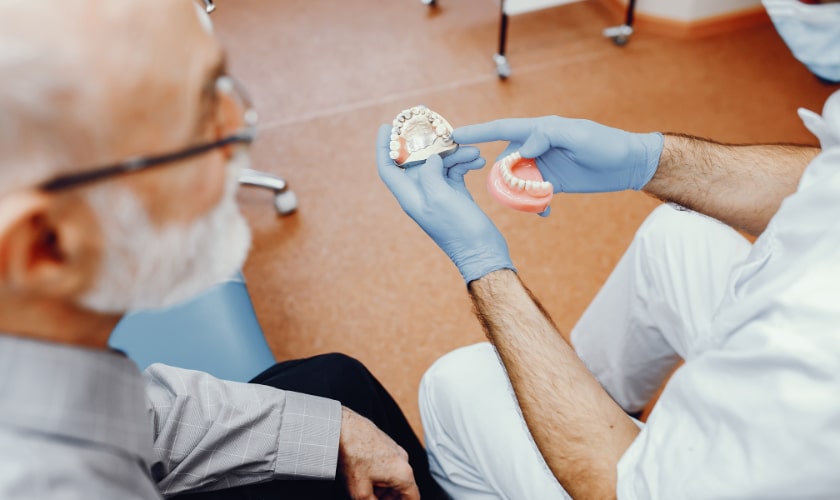
Your dentist can compare both options and help you understand which approach is appropriate for your situation.
What Happens During Dental Bridge Treatment?
If you are considering a bridge, knowing what to expect can make the process feel less intimidating.
Generally, dental bridge treatment involves several steps:
- Dental examination: Your dentist checks the missing-tooth area, supporting teeth, gums, and overall oral health.
- Treatment planning: The appropriate bridge design and replacement approach are selected.
- Tooth preparation: For a traditional bridge, supporting teeth are reshaped to accommodate dental crowns.
- Impressions or digital scans: Measurements are taken to help create a restoration that fits your mouth.
- Bridge placement: The completed bridge is positioned and secured after checking its fit and bite.
The exact process may vary depending on the type of bridge and whether implants are used for support.
How Can You Care for a Dental Bridge?
Daily maintenance is important for keeping a dental bridge clean and supporting the health of your gums and remaining teeth.
Consider these habits:
- Brush twice daily with a soft-bristled toothbrush.
- Clean around the bridge and along the gumline carefully.
- Use floss threaders or other dentist-recommended tools to clean beneath the replacement tooth.
- Avoid biting down on unusually hard objects.
- Attend regular dental checkups and professional cleanings.
Paying attention to the area beneath your bridge is especially important because food and plaque can collect there. Follow your dentist’s instructions for how to clean dental bridges when caring for your restoration.
Are Dental Bridges the Right Option for Everyone?
Not necessarily. Although dental bridges are a common way to replace missing teeth, the best treatment depends on several factors, including:
- The number and location of missing teeth.
- The strength and condition of neighboring teeth.
- The health of your gums and supporting bone.
- Your overall oral health.
- Your personal treatment preferences and budget.
Other replacement options, such as dental implants or removable partial dentures, may also be appropriate.
A dental consultation helps determine which solution offers the most suitable balance of appearance, function, and long-term maintenance.
FAQs About Dental Bridges
1. How do I know if I need a dental bridge?
You may want to discuss a dental bridge if you have one or more missing teeth, difficulty chewing, shifting neighboring teeth, or concerns about your bite and smile. Your dentist can examine the area and determine whether a bridge is an appropriate option.
2. Can a dental bridge replace more than one missing tooth?
Yes. Certain dental bridge designs can replace multiple adjacent missing teeth. However, the number of teeth that can be replaced depends on the location of the gap and the strength of the supporting teeth or implants.
3. Is getting a dental bridge painful?
Dental bridge treatment is generally performed using local anesthesia when necessary to keep patients comfortable during tooth preparation. Some temporary sensitivity or soreness may occur afterward. Your dentist can explain what to expect based on your treatment plan.
4. How long does a dental bridge last?
A dental bridge can last for many years with proper care, although its lifespan varies depending on the materials, oral hygiene, bite forces, and condition of the supporting teeth. Regular dental visits and daily cleaning help maintain the restoration.
5. Is a dental bridge better than a dental implant?
Neither option is universally better. A bridge may be appropriate when neighboring teeth can provide support, while an implant replaces a missing tooth using a surgically placed fixture in the jawbone. Your oral health, treatment preferences, and individual circumstances help determine which option is suitable.
Restore Your Smile With Dental Bridge Treatment in West Yuma
Living with missing teeth can affect your everyday comfort, confidence, and ability to enjoy your favorite foods. The good news is that you do not have to ignore the gap or wait until it creates additional concerns.
At Gila Ridge Dental West, patients can explore restorative dental options with Dr. Cecelia Nguyen. If you are experiencing any of the signs discussed above, scheduling an evaluation can help you understand your options and whether a dental bridge is right for you.