A dental bridge can help restore your smile, make chewing more comfortable, and fill the space left by one or more missing teeth. Like natural teeth, however, a dental bridge needs consistent care to keep it clean and help protect the surrounding teeth and gums.
If you have a dental bridge, you may wonder whether brushing and flossing are enough or how to remove food particles trapped underneath it. The good news is that a few practical habits can make daily cleaning easier. If you are considering a dental bridge in Yuma, understanding proper maintenance can also help you prepare for life with your new restoration.
Quick Answer: How Do You Clean a Dental Bridge?
To clean a dental bridge, brush twice daily with a soft-bristled toothbrush and fluoride toothpaste. Clean beneath the bridge using a floss threader, super floss, or an appropriately sized interdental brush. Pay attention to the gumline and supporting teeth, rinse after meals when brushing is not possible, and visit your dental professional regularly for examinations and personalized cleaning advice.
1. Brush Your Dental Bridge Twice a Day
Brushing is the foundation of good dental bridge care. Although a bridge may include artificial teeth that cannot develop cavities themselves, plaque can still collect on its surfaces and around the natural teeth supporting it.
Choose the right toothbrush
Use a soft-bristled toothbrush to clean the bridge, nearby teeth, and gumline. Brush gently with small circular motions rather than scrubbing aggressively. A fluoride toothpaste helps protect your natural teeth against decay.
An electric toothbrush can also be useful if you find it easier to clean consistently with one. Whichever type you choose, make sure you reach the back and sides of the bridge.
Pay attention to the gumline
Plaque often accumulates where teeth meet the gums. Carefully brush around the edges of the bridge and the supporting teeth, taking care not to irritate your gums.
Brush for about two minutes, twice a day. Avoid using excessive pressure, as forceful brushing can irritate gum tissue.
2. Clean Underneath Your Dental Bridge
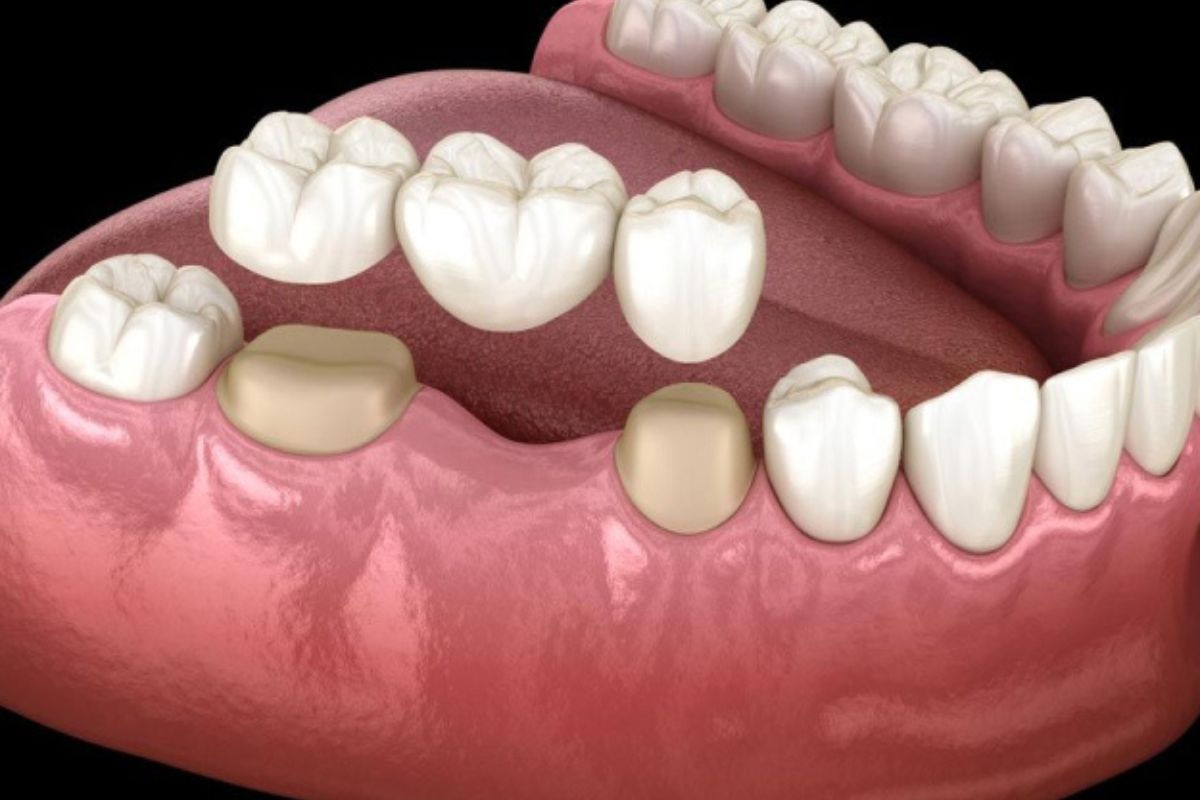
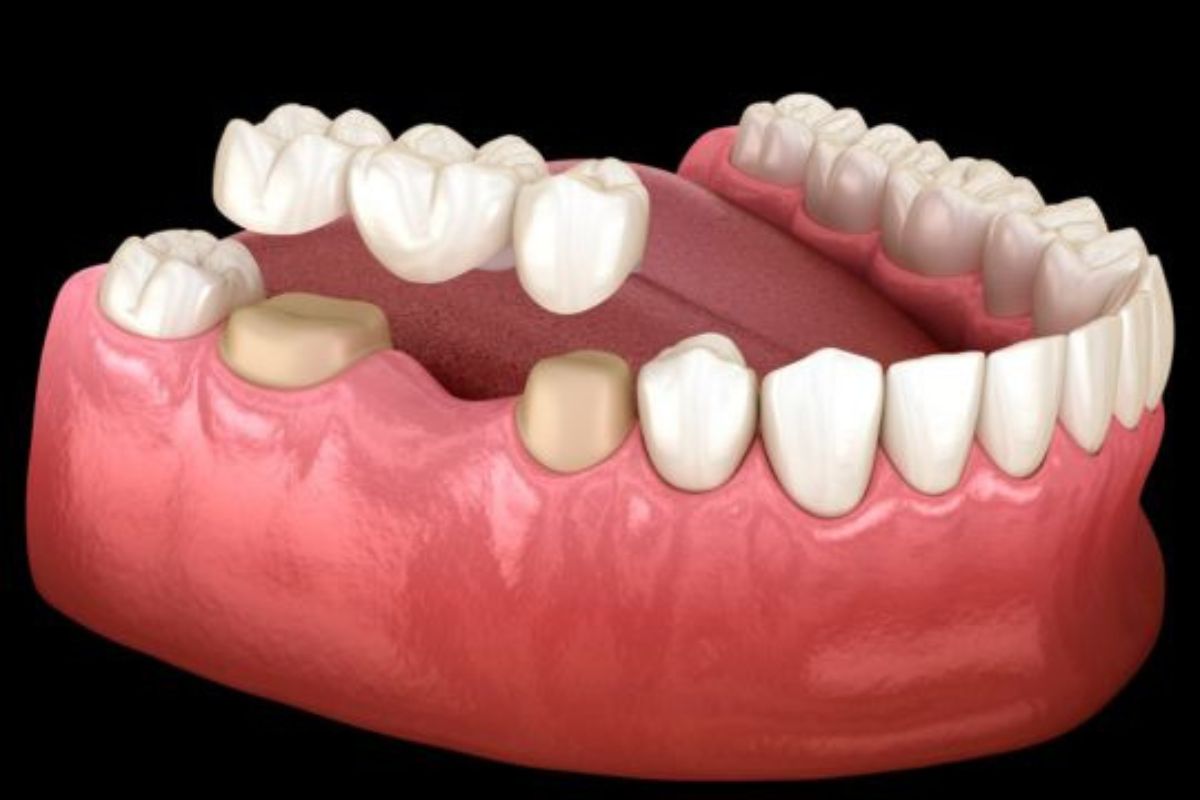
One of the most important parts of bridge maintenance is cleaning the area beneath the artificial tooth, also called the pontic. Food debris and plaque can collect there because a traditional fixed bridge does not lift out for routine cleaning.
A regular toothbrush cannot always reach this space, so an additional cleaning tool is often necessary.
Use a floss threader
A floss threader is a small, flexible tool that helps guide dental floss underneath the bridge.
To use one:
- Guide the floss threader beneath the bridge, following the product instructions.
- Pull the dental floss through the space.
- Gently move the floss along the underside of the artificial tooth and around the supporting teeth.
- Remove the floss carefully without snapping it into your gums.
Try super floss or an interdental brush
Super floss has a stiffened end that can help you guide it beneath a bridge, along with a thicker section designed for cleaning around wider spaces.
An interdental brush may also help clean beneath the bridge if there is enough room for it to pass through comfortably. Choose a size recommended by your dental professional. Never force a brush into a tight space.
These tools can be particularly helpful for people who struggle to thread ordinary floss beneath a fixed restoration.
3. Follow a Consistent Daily Cleaning Routine
A simple routine makes it easier to maintain good oral hygiene without spending too much time on your dental care.
In the morning: Brush your teeth and dental bridge with fluoride toothpaste. Clean the gumline and any accessible areas around the restoration.
Before bed: Brush thoroughly and use a floss threader, super floss, or another recommended tool to clean beneath the bridge. Nighttime cleaning is especially important because it removes plaque and food debris accumulated throughout the day.
After meals: Rinse your mouth with water when brushing is not practical. This can help loosen food particles, although it does not replace brushing and interdental cleaning.
If your bridge has been newly placed, follow the specific instructions provided by your dental professional.
4. Protect Your Bridge From Unnecessary Damage
Good cleaning habits matter, but everyday choices can also affect the condition of your restoration.
- Avoid chewing hard objects: Ice, hard candies, and other very hard items can damage teeth or dental restorations.
- Be mindful of sticky foods: Chewy or sticky foods may be difficult to remove from certain areas around a bridge. Clean your teeth afterward.
- Do not use sharp objects: Toothpicks, pins, or other sharp items can injure your gums or damage the restoration if used improperly.
- Address teeth grinding: If you grind or clench your teeth, ask your dental professional whether a protective night guard is appropriate.
- Keep up with dental visits: Routine examinations allow your dental team to assess the bridge, supporting teeth, gums, and surrounding tissues.
You do not necessarily need to avoid every hard or chewy food. Your individual restoration, bite, and oral health will determine which precautions are most appropriate.
5. Watch for Signs That Your Dental Bridge Needs Attention
A dental bridge should be checked if you notice changes in how it feels or functions. Do not assume that discomfort or looseness is simply part of having a restoration.
Contact your dental professional if you experience:
- Bleeding, swollen, or tender gums around the bridge.
- Persistent bad breath or an unpleasant taste despite cleaning.
- Food repeatedly getting trapped beneath the restoration.
- New sensitivity or pain around a supporting tooth.
- A bridge that feels loose, shifts, or changes how your teeth fit together.
- A visible crack, chip, or damaged area.
These symptoms can have several causes, including gum irritation, decay in a supporting tooth, or a problem with the restoration itself. An examination is needed to determine what is happening.
If your bridge becomes loose or breaks, avoid trying to repair it with household glue or other adhesives. Arrange a dental assessment promptly, especially if you have pain or difficulty eating.
6. Can a Dental Bridge Last Without Special Cleaning Tools?
A dental bridge needs more than ordinary brushing alone. Because the artificial tooth is connected to the rest of the restoration, the area underneath it can be difficult to reach with a standard toothbrush or regular flossing technique.
You may not need every cleaning tool available. A floss threader, super floss, or correctly sized interdental brush may be enough, depending on the shape of your bridge and the spaces around it.
Ask your dental professional to demonstrate the best technique for your particular restoration. If you have limited dexterity or find threading floss difficult, discuss alternative tools that may make your routine easier.
If you are exploring options for replacing missing teeth, learning about dental implants vs. dental bridges can help you understand the differences in placement, maintenance, and suitability. Your dental professional can evaluate your oral health and help you compare these options based on your individual needs.
Frequently Asked Questions
How often should I clean under my dental bridge?
Clean beneath your bridge daily, ideally as part of your regular evening oral hygiene routine. Use a floss threader, super floss, or a suitable interdental brush to remove plaque and food debris.
Can I use regular floss with a dental bridge?
Regular floss may not pass easily beneath a fixed bridge. A floss threader or super floss can help guide floss through the space. Your dental professional can show you the safest method for your restoration.
Why does food keep getting stuck under my dental bridge?
Food can collect beneath the artificial tooth because of the bridge’s design and the space between the restoration and your gum tissue. If food trapping becomes frequent, uncomfortable, or difficult to manage, have the area examined rather than trying to force cleaning tools into it.
Can a dental bridge get cavities?
The artificial tooth itself cannot develop a cavity, but the natural teeth supporting the bridge can. Plaque buildup around these teeth may increase the risk of decay, making careful brushing, daily interdental cleaning, and regular dental examinations important.
When should I have my dental bridge checked?
Keep your regular dental appointments and contact your dental professional if you notice persistent pain, gum swelling, repeated food trapping, a loose fit, or damage. Seek prompt advice for a sudden change in the bridge or supporting teeth.
Keep Your Dental Bridge Clean With the Right Daily Care
A clean dental bridge starts with consistent brushing, careful cleaning beneath the restoration, and attention to the health of your gums and supporting teeth. With the right tools and a routine that suits your needs, you can help maintain good oral hygiene and identify potential problems before they become more complicated.
If you have questions about cleaning your current bridge or are considering replacing missing teeth, Gila Ridge Dental can help you understand your options.