A dental implant that hurts when you chew is your mouth’s way of telling you something needs a closer look, and understanding why is the first step toward fixing it.
Most people assume that once their implant is placed and healed, it’ll feel just like a natural tooth. And for many patients, that’s exactly how it goes. But if you’ve started to notice discomfort, tenderness, or a sharp twinge every time you bite down, you’re probably wondering whether this is normal or something worth worrying about.
The honest answer is: it depends. Chewing pain around a dental implant can have several causes, some of which are completely routine and resolve on their own, and others that do need professional attention. If you’ve had dental implant treatment recently, some degree of sensitivity in the early weeks is expected. But pain that lingers, returns, or gets worse over time is always worth addressing.
Let’s walk through what’s likely going on and what you can do about it.
First, a Quick Look at How a Dental Implant Is Built
To understand why an implant might hurt, it helps to know what it’s made of.
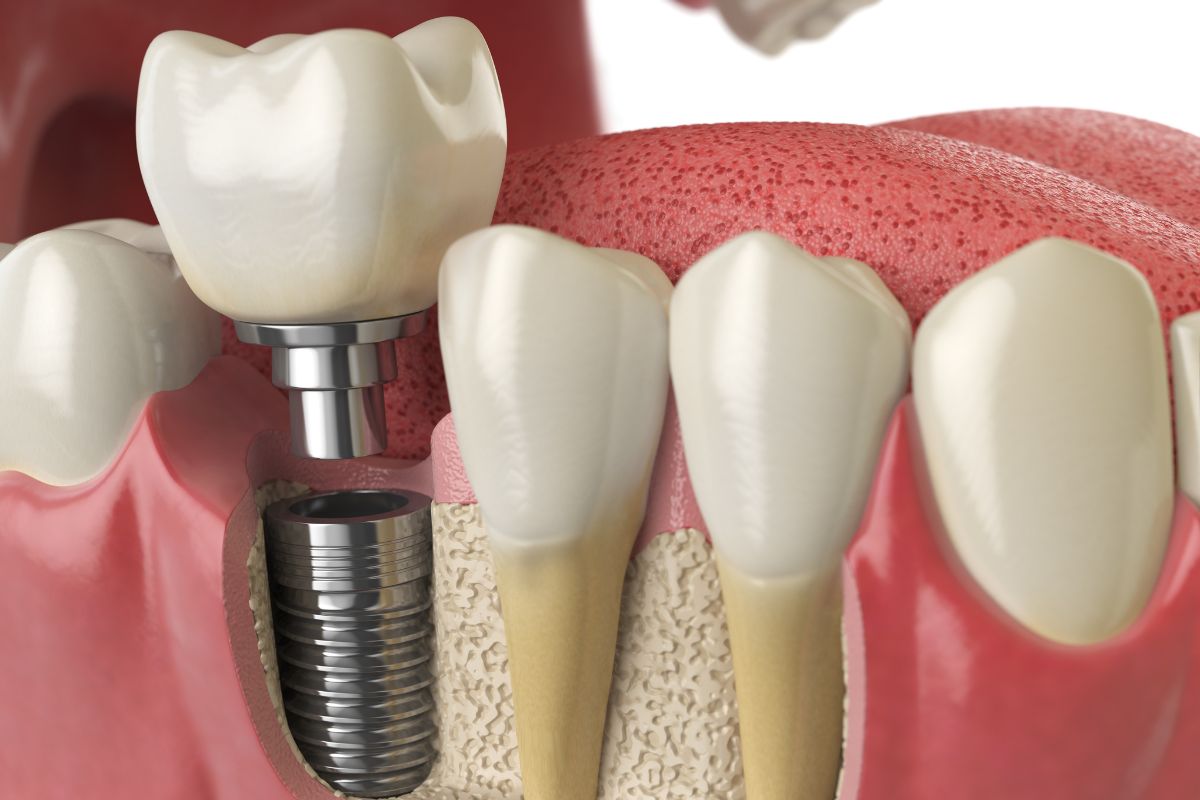
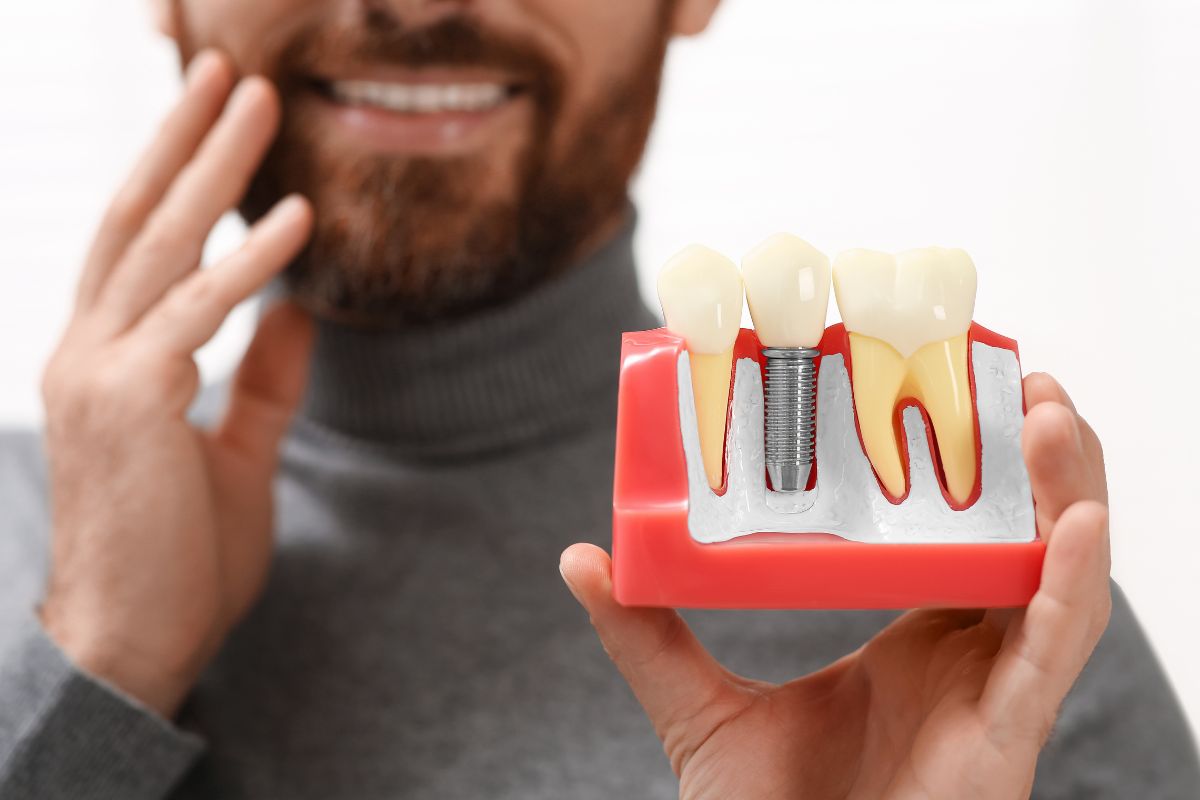
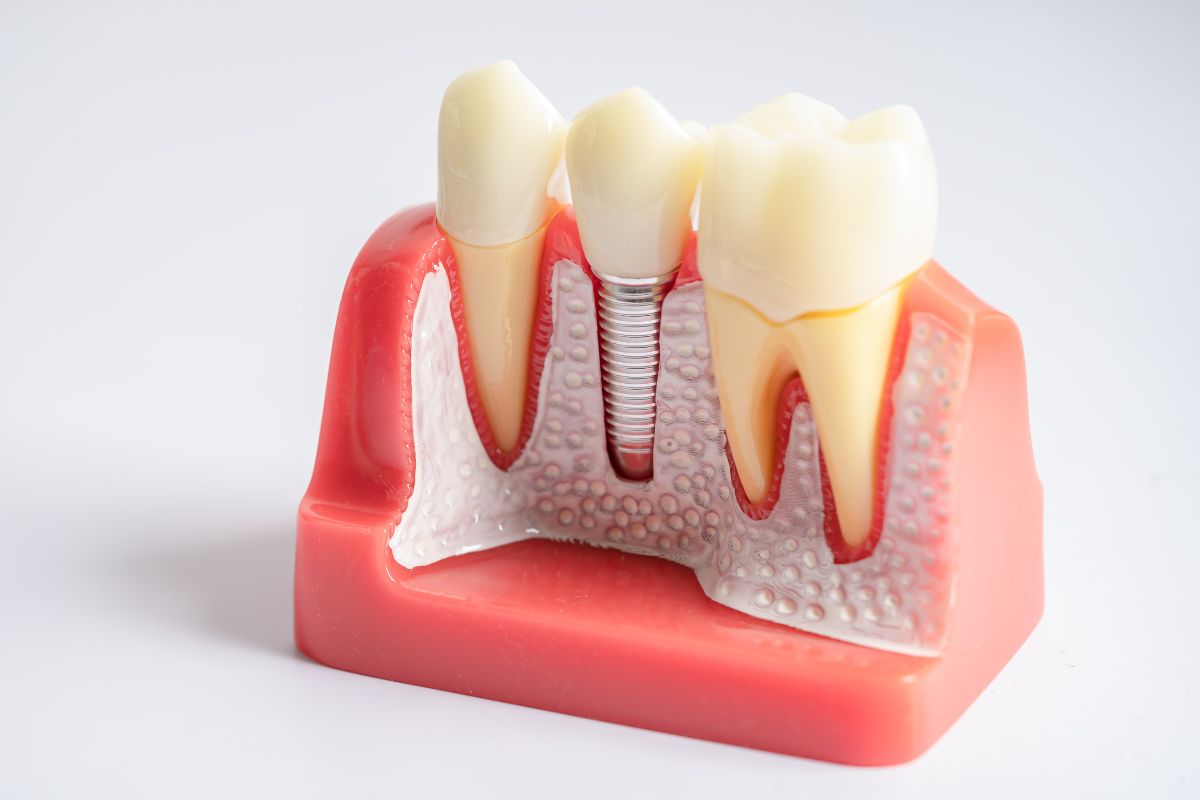
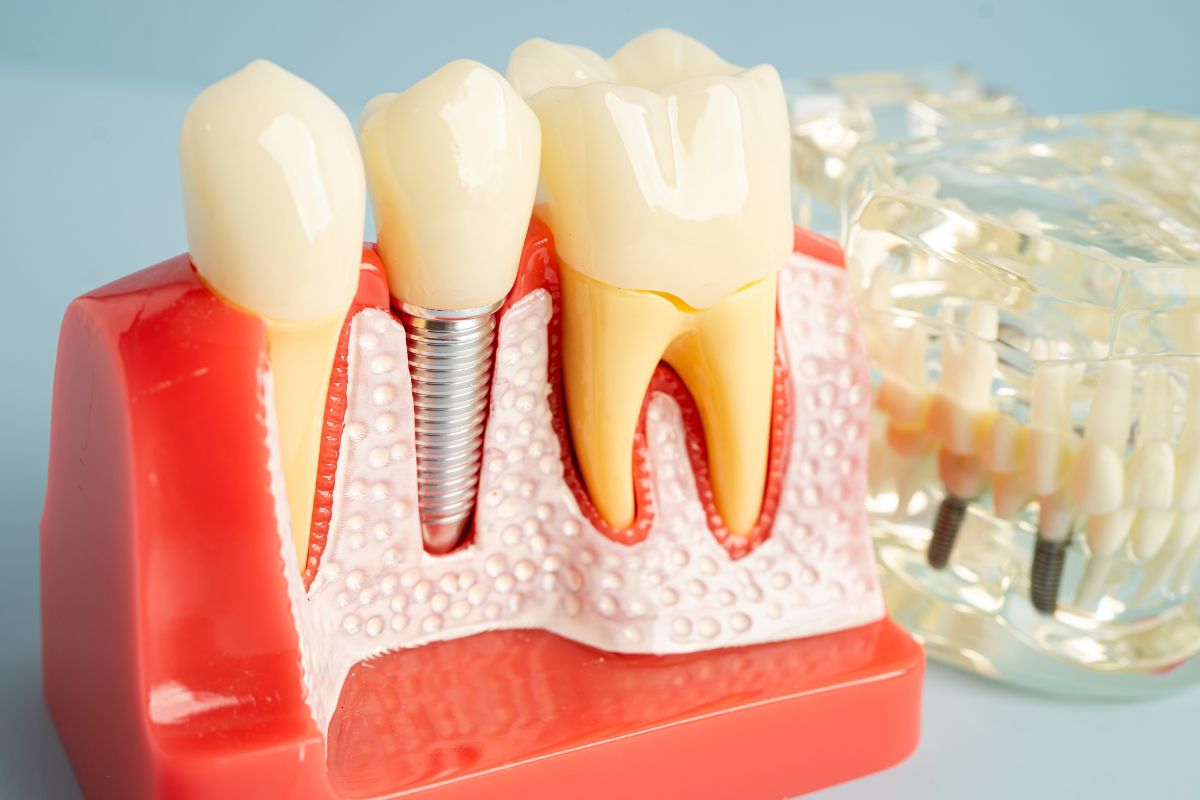
A dental implant has three parts:
- The implant post a small titanium screw placed into your jawbone, acting as the tooth root
- The abutment is a connector piece that sits above the gum line
- The crown is the visible, tooth-shaped cap on top
Pain during chewing can originate from any one of these components, or from the surrounding tissue and bone. That’s why pinpointing the source matters before any treatment begins.
It Might Still Be Healing
If your implant is relatively new, some discomfort when chewing is normal during the healing process.
After placement, your body goes through a stage called osseointegration, the process where the titanium post fuses with your jawbone. This can take anywhere from three to six months, sometimes longer depending on your overall health and bone density.
During this time, you might feel:
- Mild tenderness around the implant site
- Sensitivity when biting down on firmer foods
- Occasional achiness that comes and goes
This kind of discomfort is typically manageable and gradually improves. If it’s been less than a few months since your procedure and the pain is mild, it may simply be your body doing its job.
However, if the pain is sharp, increasing, or accompanied by swelling, that’s a different story.
Your Bite Might Be Slightly Off
One of the most common and easiest-to-fix reasons an implant hurts when you chew is a crown that sits slightly too high.
Even a tiny misalignment in how your teeth come together can put excess pressure on the implant with every bite. Over time, this can cause inflammation in the surrounding tissue and create real discomfort.
Signs your bite may be the issue:
- The implant area is the first place your teeth touch when you close your mouth
- Pain is consistent and happens with every bite, not just occasionally
- The discomfort started soon after the crown was placed
The good news? A high bite is a quick fix. Your dentist can adjust the crown in a single appointment, and most patients feel relief almost immediately.
The Gum Tissue Around the Implant May Be Irritated
Sometimes the implant post and crown are perfectly placed, but the soft tissue surrounding the implant becomes inflamed.
This condition is called peri-implant mucositis, and it’s the implant equivalent of gingivitis. It affects only the gum tissue, not the bone, and when caught early, it’s fully reversible.
It typically develops when:
- Plaque and bacteria build up around the base of the crown
- Oral hygiene around the implant area is inconsistent
- Food gets trapped beneath the crown
You might notice bleeding when you brush near the implant, swelling of the surrounding gum, or a dull ache when chewing. If that sounds familiar, don’t put off a dental visit. Early-stage tissue inflammation responds well to a professional cleaning and improved at-home care.
When the Problem Goes Deeper: Peri-Implantitis
If the inflammation extends from the gum tissue down to the bone surrounding the implant, it becomes a more serious condition called peri-implantitis.
Think of it as the implant version of advanced gum disease. The bone that holds the implant in place starts to break down, which creates instability and significant pain, especially during chewing.
Risk factors that make peri-implantitis more likely include:
- A history of gum disease before the implant was placed
- Smoking or tobacco use
- Poorly controlled diabetes
- Irregular dental checkups after implant placement
Peri-implantitis doesn’t resolve on its own. It requires professional treatment, which may include deep cleaning around the implant, antibiotics, or, in more advanced cases, surgical intervention. The earlier you catch it, the more options you have.
The Implant May Not Have Fused Properly
In some cases, the titanium post doesn’t fully integrate with the jawbone the way it should. This is called osseointegration failure, and while it’s not common, it does happen.
When this occurs, the implant may feel loose, shift when you bite down, or cause persistent pain that doesn’t improve over time. This is different from normal healing discomfort; it tends to get worse rather than better.
Factors that can contribute to this include:
- Insufficient bone density at the implant site
- Certain medical conditions or medications that affect bone healing
- Infection at the time of or following placement
If your implant never felt fully stable, or the pain has been present from early on and hasn’t improved, discuss it with your dentist promptly.
Implant Care You Can Count On in Yuma
At Gila Ridge Dental, we work with patients across Yuma at different stages of their implant journey some just getting started, others managing concerns after placement. Our team takes time to listen to what you’re experiencing before jumping to conclusions or recommending treatment.
We know that implant concerns can feel unsettling, especially when you’ve already invested in your smile. Whether it’s something simple like a bite adjustment or a more detailed evaluation, we approach every situation with a clear explanation of what we’re seeing and your realistic options. No pressure, just honest answers. If you have concerns about your dental implant, contact us to discuss what you’re experiencing and determine the next steps.
When Should You Contact Your Dentist?
Not every ache requires an emergency visit, but some signs warrant seeing your dentist sooner rather than later.
Contact your dentist promptly if you notice:
- Pain that gets noticeably worse over several days
- Swelling around the implant that isn’t going down
- The implant feels loose or moves when you press on it
- A bad taste or discharge around the implant site
- Pain accompanied by fever
A scheduled (non-urgent) visit makes sense if:
- You’ve had the implant less than three months and have mild sensitivity
- The discomfort is occasional, not constant
- You haven’t had a checkup since your implant was placed
When in doubt, it’s always better to have it evaluated. Most causes of implant pain are straightforward to diagnose once a dentist can take a proper look.
What Happens When You Come In
You don’t need to walk in knowing exactly what’s wrong. That’s what the appointment is for.
When a patient comes in with chewing pain around an implant, the process usually goes like this:
- A visual exam of the crown, gum tissue, and surrounding teeth
- Digital X-rays to assess the bone level and implant position
- A bite assessment to check how your teeth come together
- Probing around the implant to check the gum pocket depth
From there, your dentist can clearly explain what’s happening and lay out a treatment plan that makes sense for your situation.
What Treatment Usually Looks Like
Treatment depends entirely on the cause. Here’s a general sense of what different scenarios involve:
- High bite: A simple crown adjustment, usually completed the same day
- Peri-implant mucositis: Professional cleaning and improved oral hygiene at home
- Peri-implantitis: Deep cleaning, antibiotics, or surgical treatment if advanced
- Osseointegration failure: Removal and replacement of the implant after sufficient healing time
In most cases, the issue is caught early an remains manageable. Treatment is far less involved when problems are identified early, which is one of the strongest reasons to keep up with regular checkups after your implant is placed.
Keeping Your Implant Healthy and Your Smile Pain-Free With Us
Implant pain during chewing isn’t something you have to live with, and you shouldn’t try to wait it out on your own. More often than not, there’s a clear explanation and a straightforward path forward.
At our dental practice, we’re committed to supporting your dental health at every stage, including after your implant is placed. Our team understands the concerns that come with restorative dental work, and we’re here to help your results last for years to come. Whether you’re searching for trusted dental implant care in Yuma, AZ, or you already have an implant and something doesn’t feel right, we’re here to help. Request an appointment today and let’s figure out what’s going on together.