Dental implants are a popular choice for replacing missing teeth. They look, feel, and function like natural teeth, sparking curiosity about their durability and care. A common question arises: can dental implants get cavities? Let’s explore this topic in a friendly and professional way, addressing concerns and providing actionable insights to keep your smile healthy.
Understanding Dental Implants
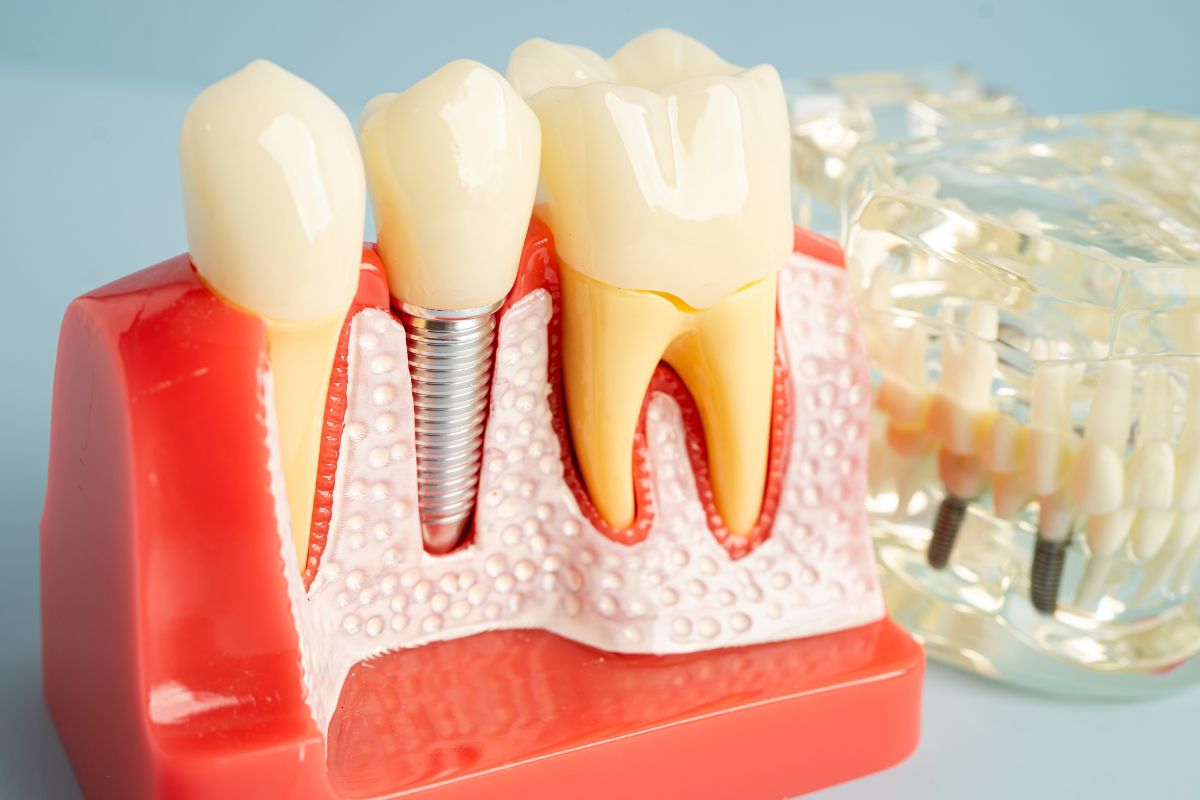
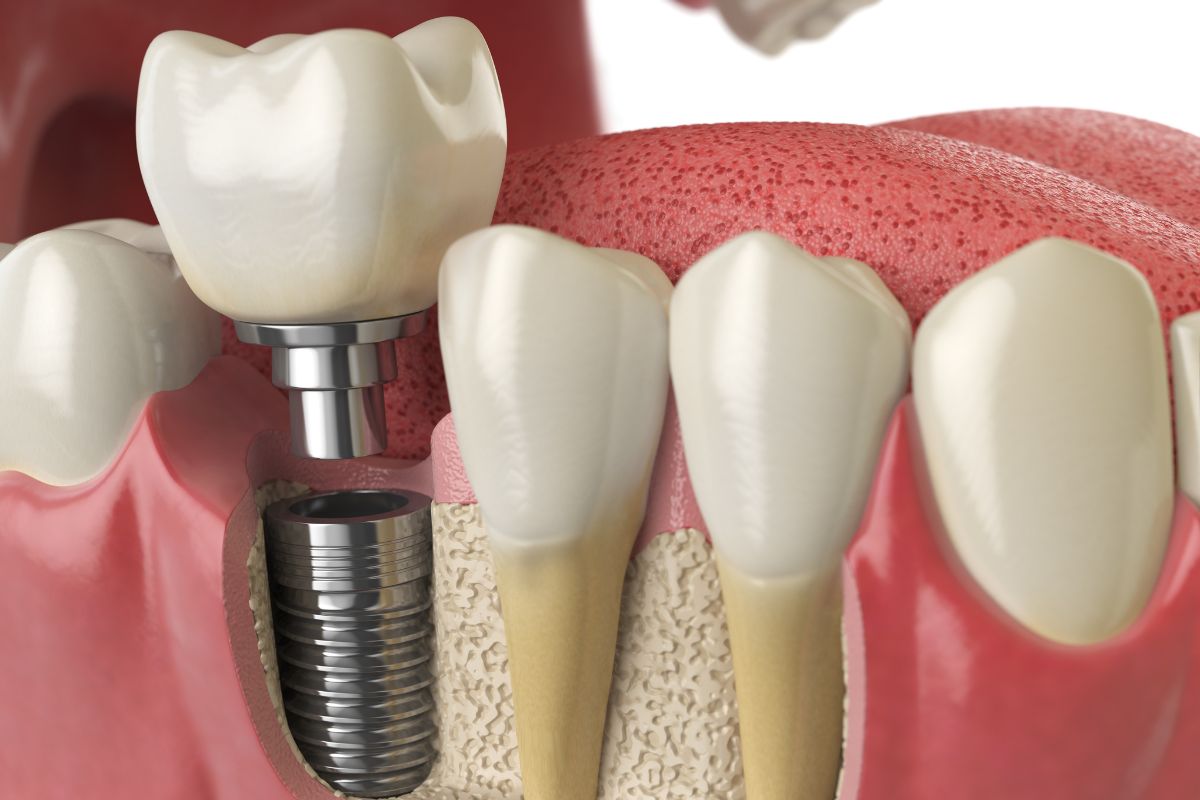
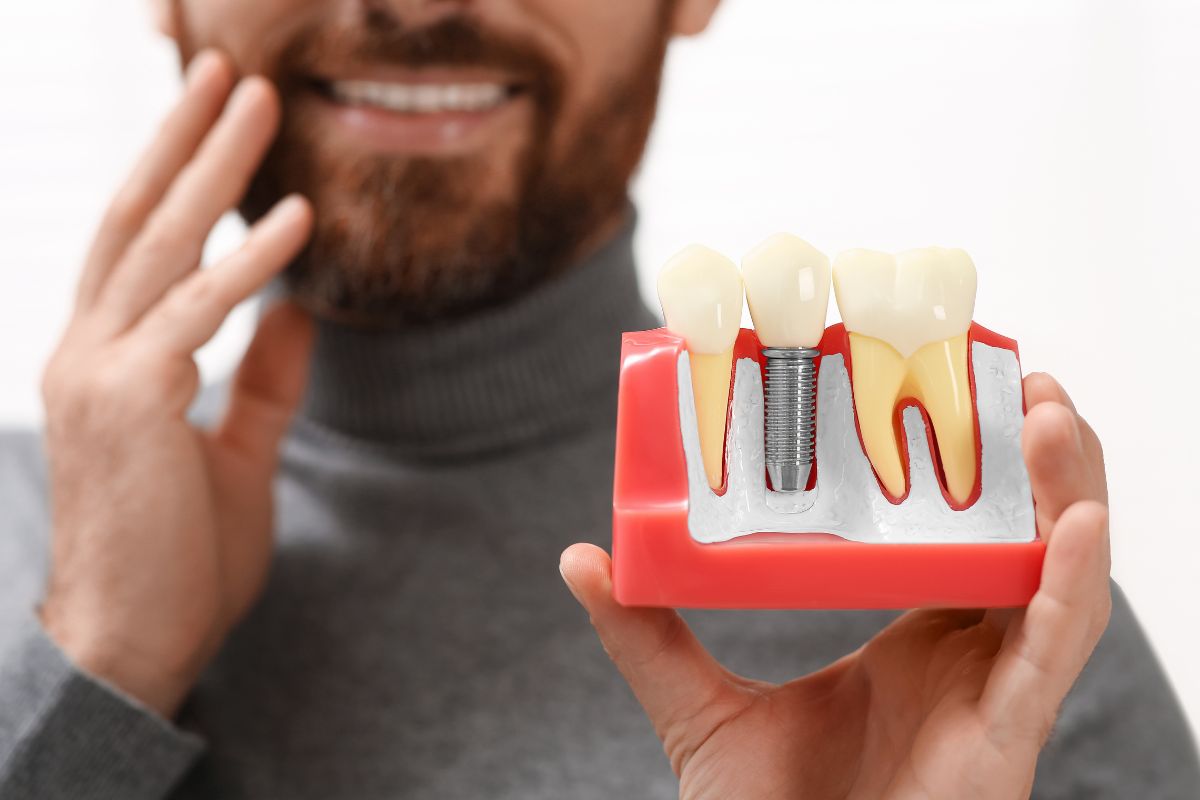
Dental implants are artificial tooth roots, typically made of titanium, surgically placed into the jawbone. They support crowns, bridges, or dentures, offering a sturdy and long-lasting solution. Unlike natural teeth, implants are crafted from materials that don’t decay. This unique feature sets them apart from your natural teeth, but it also raises questions about their vulnerability to issues like cavities.
How Dental Implants Differ from Natural Teeth
Natural teeth have enamel, dentin, and a pulp chamber, making them prone to decay when bacteria and plaque build up. Cavities form when acids erode enamel, creating tiny holes. Dental implants, however, are made of biocompatible materials like titanium and porcelain, which are immune to decay. This means dental implants in Yuma, AZ, cannot develop cavities in the same way natural teeth do. But don’t celebrate just yet—implants still require diligent care to stay in top shape.
Can Dental Implants Get Cavities? The Short Answer
The straightforward answer is no, dental implants cannot get cavities. The materials used in implants, such as titanium posts and ceramic crowns, are not organic and don’t attract the bacteria that cause decay. However, this doesn’t mean implants are maintenance-free. While the implant itself is cavity-proof, the surrounding gums and any remaining natural teeth can still face challenges if oral hygiene slips.
Why Oral Hygiene Still Matters
Even though implants don’t decay, poor oral hygiene can lead to other problems. Plaque and bacteria can accumulate around the implant site, potentially causing gum inflammation or peri-implantitis, a condition similar to gum disease. This infection can damage the gums and bone supporting the implant, risking implant failure. Regular brushing, flossing, and professional cleanings are essential to keep the area healthy.
Common Concerns About Dental Implant Care
If you’re wondering how to care for your implants, you’re not alone. Many people worry about maintaining their investment. If you are searching for a dentist near Yuma, a skilled professional can guide you on proper implant care. Here are some key concerns and tips:
-
Gum Health: Healthy gums are crucial for implant stability. Brush twice daily and floss to remove plaque around the implant.
-
Professional Cleanings: Regular dental visits ensure your implants and gums stay in top condition.
-
Lifestyle Factors: Smoking or excessive alcohol can harm gum health, increasing the risk of complications.
By addressing these concerns, you can keep your implants functioning beautifully for years.
Trending FAQs About Dental Implants and Cavities
People often turn to search engines with questions about dental implants. Here are some frequently asked questions, inspired by common Google searches, to clarify doubts:
-
Can bacteria affect dental implants?
Yes, bacteria can build up around implants, leading to gum issues like peri-implantitis if not cleaned properly. -
Do dental implants require special care?
While implants don’t decay, they need regular brushing, flossing, and dental checkups to maintain gum and bone health. -
Can I get gum disease with implants?
Yes, poor oral hygiene can cause peri-implantitis, which affects the gums and bone around the implant. -
How long do dental implants last?
With proper care, implants can last a lifetime, though crowns may need replacement after 10–15 years. -
Are dental implants safe from all dental problems?
While immune to cavities, implants can face issues like loosening or gum inflammation if not maintained.
These answers address the most pressing concerns, helping you feel confident about your implants.
Peri-Implantitis: The Real Threat to Dental Implants
While cavities aren’t a concern, peri-implantitis is a significant risk. This condition occurs when bacteria infect the gums and bone around the implant, much like periodontitis affects natural teeth. Symptoms include redness, swelling, bleeding gums, or even implant loosening. To prevent this, maintain a rigorous oral hygiene routine and visit your dentist regularly for cleanings and checkups.
Tips to Prevent Peri-Implantitis
-
Brush Properly: Use a soft-bristle toothbrush and non-abrasive toothpaste to clean around implants.
-
Floss Daily: Special floss or interdental brushes can clean hard-to-reach areas.
-
Avoid Harmful Habits: Limit sugary foods and quit smoking to protect your gums.
-
Regular Checkups: Schedule dental visits every six months to catch issues early.
These steps ensure your implants remain secure and your smile stays vibrant.
Serving the Foothills, AZ Community
For those in Foothills, AZ, and surrounding communities, high-quality implant care is within reach. Our Dental implant restorations offer the same reliable, long-lasting benefits for residents in this area. Whether you’re replacing a single tooth or multiple teeth, the right care can make all the difference. Our local dentist in Foothills is equipped to provide personalized guidance, ensuring your implants thrive in a healthy oral environment.
How to Care for Your Dental Implants Long-Term
Maintaining dental implants is straightforward but requires consistency. Think of your implants as a valuable investment in your smile. Here’s how to protect them:
-
Daily Cleaning: Brush and floss daily to keep plaque at bay.
-
Use the Right Tools: Opt for low-abrasive toothpaste and soft brushes to avoid scratching crowns.
-
Monitor Changes: Report any discomfort, swelling, or looseness to your dentist immediately.
-
Healthy Diet: Eat a balanced diet to support gum and bone health.
By following these tips, you can enjoy your implants for decades without worry.
Why Regular Dental Visits Are Non-Negotiable
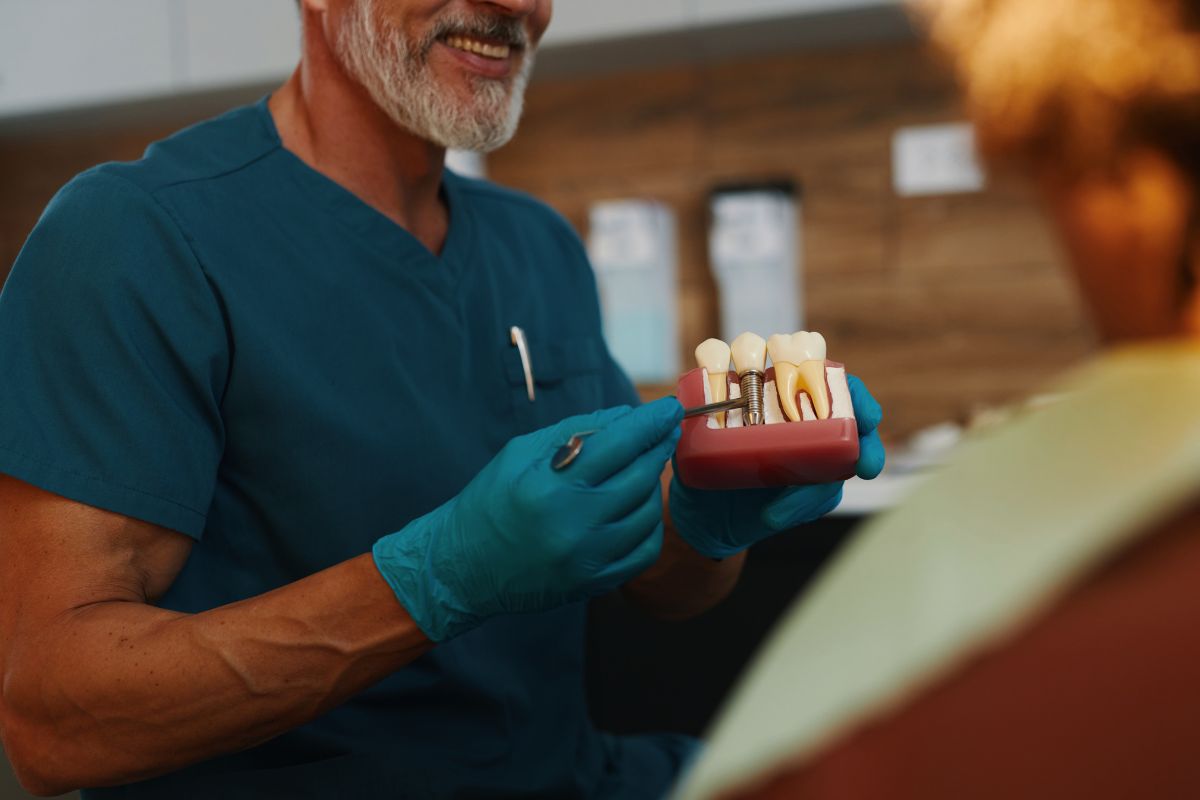
Even with diligent home care, professional oversight is key. Dentists can spot early signs of trouble, like gum inflammation or bone loss, before they become serious. Regular cleanings remove tartar that brushing can’t handle. Plus, your dentist can assess the fit and function of your implants, ensuring everything is in place. Scheduling routine visits keeps your implants—and your entire smile—in peak condition.
Wrapping Up: Your Path to a Healthy Smile
Dental implants are a fantastic solution for missing teeth, offering durability and a natural look. While they can’t get cavities, they demand consistent care to protect the surrounding gums and bone. By maintaining good oral hygiene and visiting your dentist regularly, you can ensure your implants last a lifetime. For personalized care and expert guidance, contact Gila Ridge Dental at (928) 249-3673 to schedule an appointment. Your perfect smile awaits!