Bad breath is something most people experience from time to time. It may happen after eating certain foods, waking up in the morning, or going too long without brushing your teeth. However, when bad breath becomes a constant problem, it can affect your confidence and may even be a sign that your oral health needs attention.
In many cases, persistent bad breath is caused by bacteria that build up in the mouth. While mints and mouthwash may provide temporary relief, they rarely address the underlying issue. For some people, professional care such as periodontal treatment may be necessary if gum disease is contributing to the problem.
The good news is that bad breath is often preventable. By understanding its causes and making a few healthy changes, you can enjoy fresher breath and better oral health for years to come.
What Causes Persistent Bad Breath?
Bad breath, also called halitosis, can develop for several different reasons. Identifying the cause is the first step toward finding a lasting solution.
Poor Oral Hygiene
When food particles remain in the mouth, bacteria begin to break them down. As these bacteria multiply, they release unpleasant odors that can cause bad breath.
Skipping brushing and flossing also allows plaque to build up along the teeth and gums, creating more opportunities for bacteria to thrive.
Gum Disease
Gum disease is one of the most common causes of chronic bad breath. Bacteria can collect below the gumline and create pockets of infection that produce a persistent odor.
Because these bacteria are often difficult to remove with brushing alone, bad breath may continue even when you maintain a regular oral hygiene routine.
Dry Mouth
Saliva helps keep your mouth clean by washing away food particles and bacteria. When your mouth becomes dry, bacteria can accumulate more easily and cause unpleasant odors.
Dry mouth may occur due to certain medications, dehydration, aging, or breathing through the mouth while sleeping.
Certain Foods And Beverages
Foods such as garlic, onions, and some spices can temporarily affect your breath. While the odor usually fades after digestion, frequent consumption may contribute to recurring bad breath.
Tobacco Use
Smoking and other tobacco products can leave behind strong odors while also increasing the risk of gum disease and dry mouth.
Signs Your Bad Breath May Require Professional Attention
Occasional bad breath is normal, but some symptoms may indicate an underlying dental issue.
You may benefit from a dental evaluation if you experience:
- Bad breath that doesn’t improve with brushing and flossing
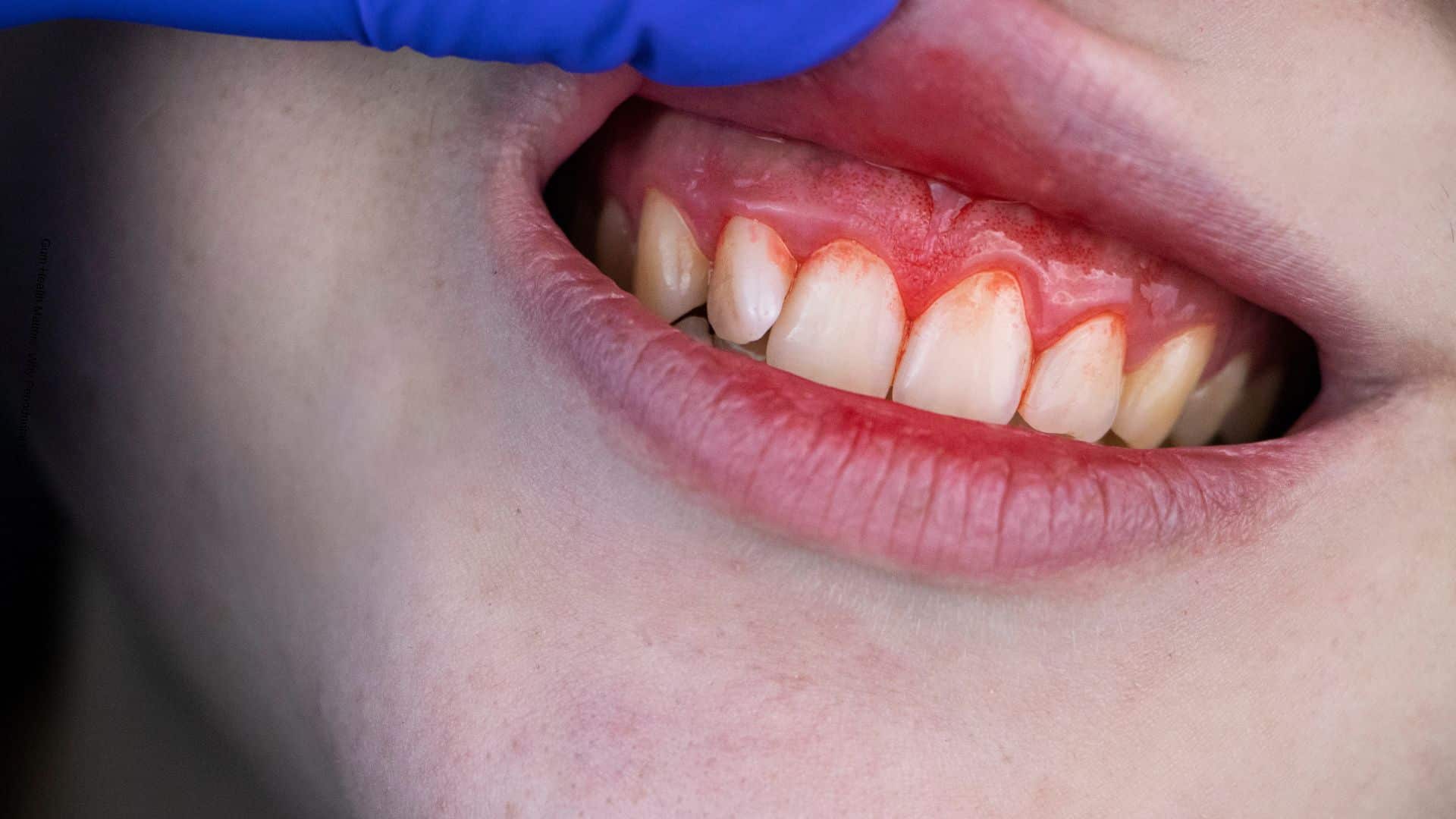
- Bleeding or swollen gums
- A persistent bad taste in your mouth
- Loose teeth
- Dry mouth that continues throughout the day
- Excessive plaque buildup
These symptoms can point to conditions that require professional treatment.
How To Get Rid Of Bad Breath Permanently
Brush Thoroughly Twice A Day
Brushing removes plaque, food debris, and bacteria from the surfaces of your teeth. Make sure you brush for at least two minutes and clean every area of your mouth.
Clean Your Tongue Daily
Many odor-causing bacteria live on the surface of the tongue. Using a tongue scraper or gently brushing your tongue can help reduce bacterial buildup.
Floss Every Day
Flossing removes food particles and plaque from areas your toothbrush cannot reach. Daily flossing plays a major role in preventing bad breath.
Drink More Water
Staying hydrated supports healthy saliva production and helps rinse away bacteria throughout the day.
Choose Foods That Support Oral Health
Crunchy fruits and vegetables can help clean the teeth naturally while encouraging saliva flow. A balanced diet also supports healthier gums and teeth.
Schedule Regular Dental Visits
Routine dental cleanings help remove hardened plaque and tartar that cannot be eliminated with brushing and flossing alone.
Why Gum Health Matters For Fresh Breath?
Many people focus only on their teeth when trying to improve bad breath, but healthy gums are just as important.
When bacteria accumulate beneath the gums, they can create inflammation and infection that contribute to ongoing odor problems. If gum disease is left untreated, it may continue to cause bad breath despite your best efforts at home.
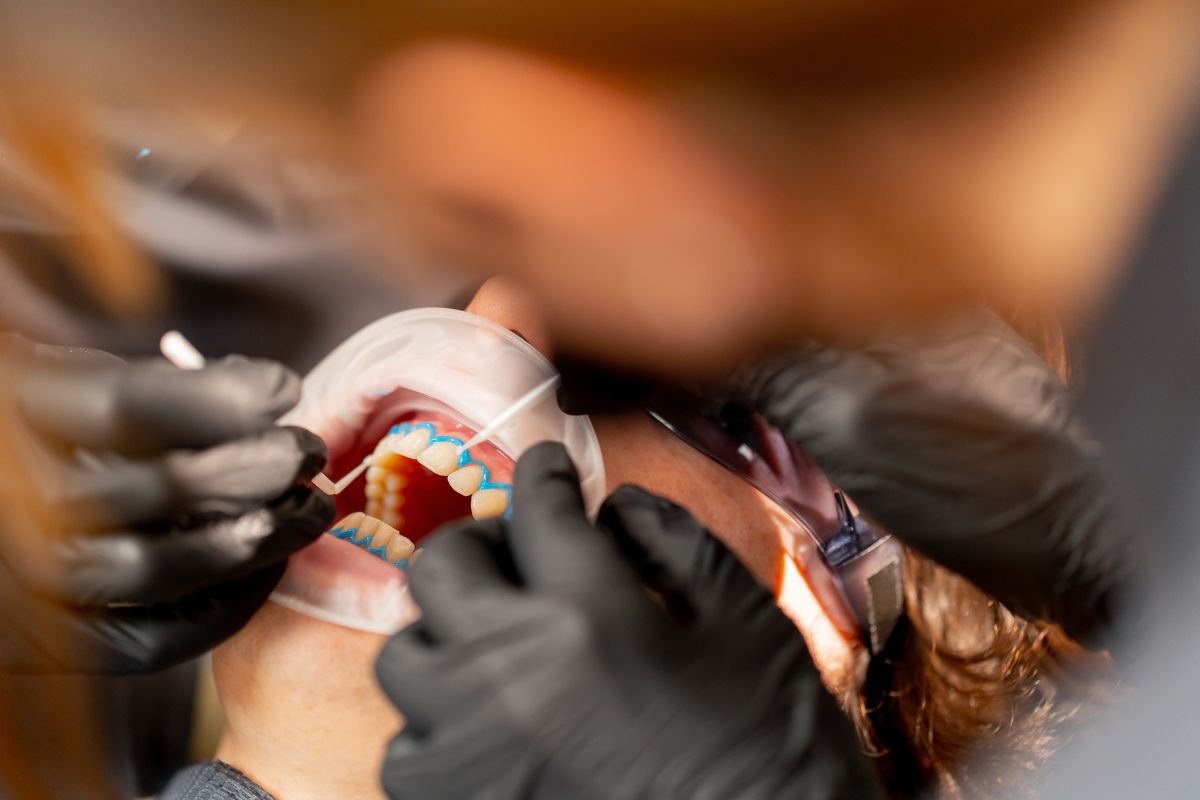
In some situations, a dentist may recommend a comprehensive periodontal treatment plan designed to remove bacteria from below the gumline and improve overall gum health, helping address one of the most common causes of chronic bad breath.
Daily Habits That Help Keep Bad Breath Away
The best way to maintain fresh breath is to stay consistent with your oral hygiene habits.
Simple daily habits include:
- Brushing twice a day
- Flossing every day
- Cleaning your tongue regularly
- Drinking plenty of water
- Limiting tobacco use
- Replacing your toothbrush every three to four months
- Visiting your dentist for routine preventive care
These steps can significantly reduce bacteria and help keep your breath fresher over time.
Enjoy Long-Lasting Fresh Breath And Healthier Gums
Bad breath can be frustrating, but it is often a problem that can be successfully managed once the underlying cause is identified. Whether the issue is related to oral hygiene, dry mouth, diet, or gum disease, taking the right steps can help you achieve fresher breath and better oral health.
At Gila Ridge Dental, we are committed to helping patients maintain healthy smiles through every stage of life. Whether your bad breath is caused by oral hygiene habits, dry mouth, or an underlying dental concern, identifying the source is the first step toward lasting improvement. If you’re seeking trusted dental care in Yuma, AZ, our team is here to help. Request an appointment today to take the next step toward fresher breath and better oral health.
Frequently Asked Questions
Can stress make bad breath worse?
Yes. Stress can contribute to dry mouth, reducing saliva production and allowing odor-causing bacteria to build up more easily.
Why does my breath smell bad even when I brush regularly?
Bad breath may come from bacteria on the tongue, gum disease, dry mouth, or other oral health issues that brushing alone cannot address.
Are sugar-free mints a good solution for bad breath?
Sugar-free mints can temporarily freshen breath, but they do not eliminate the underlying cause of persistent bad breath.
Can cavities contribute to bad breath?
Yes. Cavities can trap food and bacteria, leading to unpleasant odors if they are not treated.
Does mouth breathing affect breath odor?
It can. Mouth breathing often causes dry mouth, which creates an environment where bacteria can multiply and produce bad odors.