Have you ever noticed your gums bleeding during brushing? Or felt a persistent bad breath that toothpaste just won’t fix? These subtle hints might signal something more serious. Periodontal disease sneaks up on many of us, but catching it early can save your smile. In this guide, we’ll walk you through the diagnosis process. You’ll gain clear insights into what happens at your dental visit. Plus, you’ll feel more prepared to chat with your dentist. Let’s dive in and demystify this common oral health concern.
What Is Periodontal Disease?
Periodontal disease affects the tissues supporting your teeth. It starts as gingivitis, a mild inflammation from plaque buildup. If ignored, it advances to periodontitis. Here, bacteria damage gums and bone. This leads to tooth loss over time.
Think of it like a slow leak in your home’s foundation. Early fixes prevent major repairs. Good oral hygiene helps, but professional care spots issues first. Brushing twice daily and flossing keep plaque at bay. Yet, factors like smoking or diabetes raise risks.
Common Signs and Symptoms to Watch For
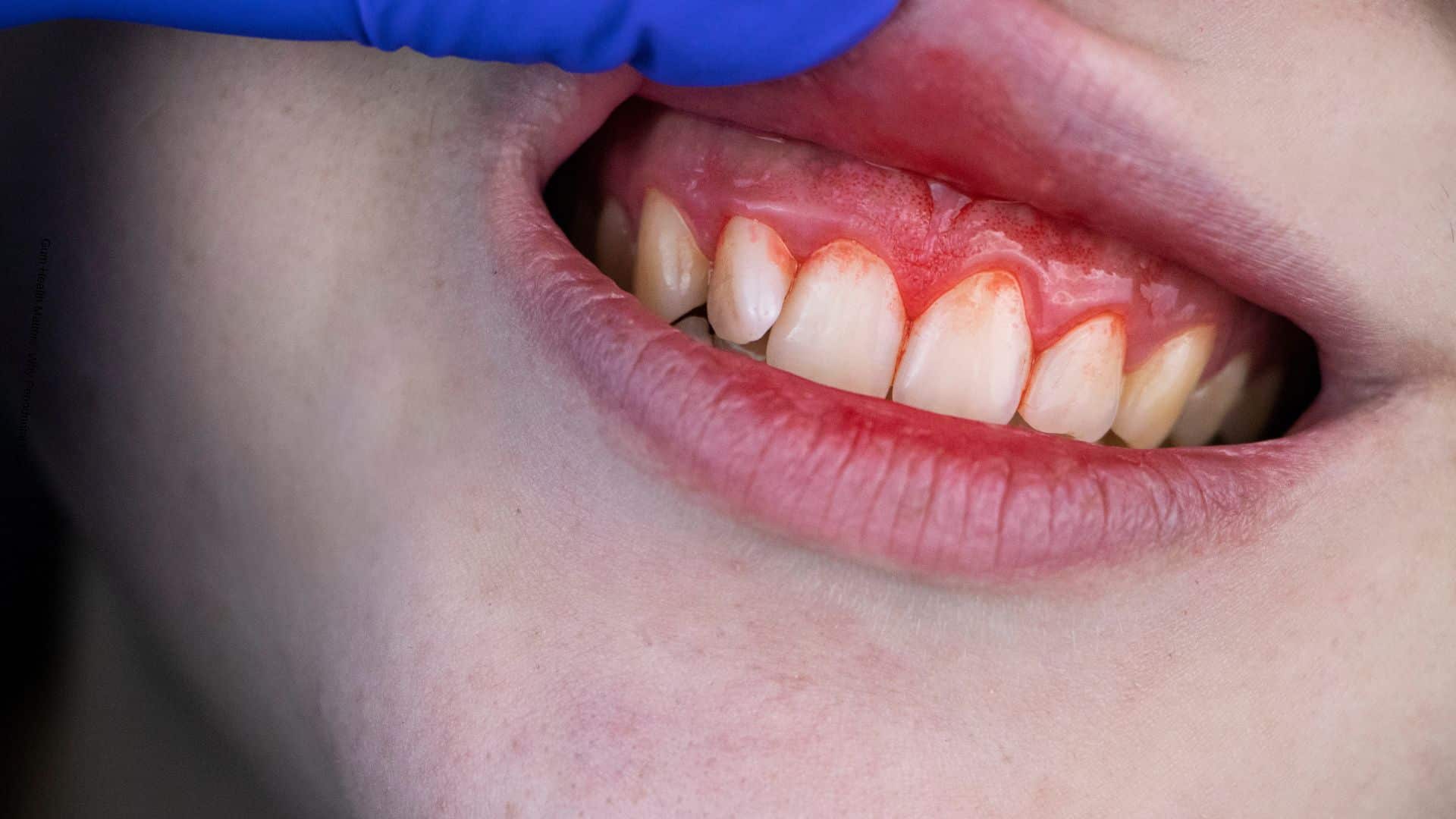
Spotting symptoms early empowers you. Look for red, swollen gums that bleed easily. Receding gums expose tooth roots, causing sensitivity. Loose teeth or pus between teeth signal advanced stages. Bad breath persists despite mints.
You might notice changes in how teeth fit together. Or pain when chewing. These aren’t just annoyances. They hint at infection spreading. Track these in a journal before your appointment. It helps your dentist connect the dots quickly.
Don’t wait for pain. Many cases progress silently. Regular checkups catch them before symptoms scream.
The Step-by-Step Diagnostic Process
Dentists follow a structured approach. This ensures accurate assessment. Each step builds on the last. You’ll leave with a clear plan.
Visual Examination of Your Gums
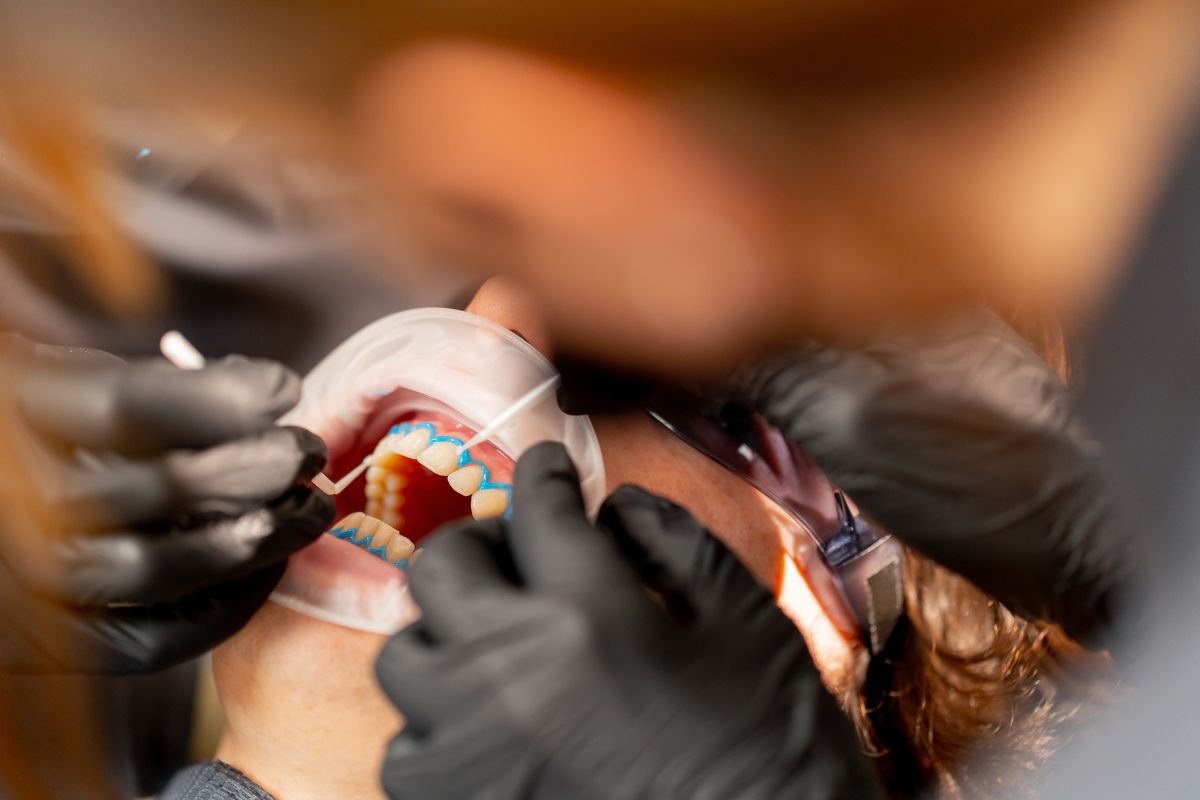
Your visit starts with a close look. The dentist checks gum color and texture. Healthy gums are pink and firm. Inflamed ones appear puffy or shiny. They’ll note any recession or abscesses.
This quick scan reveals surface issues. It guides deeper probes. No discomfort here—just bright lights and careful eyes.
Periodontal Probing for Pocket Depths
Next comes probing. A slim tool measures spaces between teeth and gums. Called sulcus in health, these become pockets in disease.
Healthy depths? One to three millimeters. Four or more? Red flag for infection. The tool slides gently. It notes bleeding spots too. Bleeding indicates active inflammation.
This measures disease extent. It classifies severity. Compact and precise, it’s a cornerstone tool.
Dental X-Rays to Assess Bone Loss
X-rays provide the big picture. They show bone levels around teeth. Healthy bone hugs roots tightly. Disease erodes it, creating gaps.
Digital X-rays minimize radiation. They reveal hidden damage. Your dentist reviews images on-screen. This confirms probing findings.
Expect low-dose scans. They’re safe and revealing.
Reviewing Your Medical History
No diagnosis ignores your full story. The dentist asks about habits and health. Smoking? Diabetes? Family history of gum issues?
Medications matter too. Some dry the mouth, worsening plaque. This holistic view tailors advice.
Share openly. It sharpens the diagnosis.
Understanding the Stages of Periodontal Disease
Diagnosis pins the stage. Gingivitis is reversible with cleanings. Periodontitis has mild, moderate, severe levels. Mild involves slight bone loss. Severe threatens teeth.
Staging guides treatment. Early stages focus on hygiene. Later ones may need surgery. Knowing your stage motivates change.
Key Statistics on Periodontal Disease
Numbers highlight urgency. In the US, nearly half of adults over 30 battle some form. Here’s a snapshot:
| Age Group | US Prevalence (%) | Notes |
|---|---|---|
| 30-49 | 42% | Often mild, linked to poor hygiene |
| 50-64 | 64% | Bone loss increases |
| 65+ | 70% | Severe cases rise; AZ ranks mid-tier for senior oral health |
Trending FAQs on Periodontal Disease Diagnosis
Curious about what others ask? Based on common Google searches, here are top questions with straightforward answers:
- What are the first signs of periodontal disease?
Red, swollen gums that bleed easily. Bad breath and loose teeth follow in later stages. - Can a dentist tell if you have gum disease right away?
Yes, during routine exams. Visual checks and probing spot issues quickly. - How deep should gum pockets be?
Healthy pockets measure 1-3 mm. Deeper ones signal disease needing attention. - Do X-rays always show gum disease?
They reveal bone loss but pair with probing for full diagnosis. - Is periodontal disease reversible?
Early gingivitis yes, with better hygiene. Advanced stages manage but not fully reverse.
These cover core concerns. Search trends show rising interest in home prevention too.
Early detection transforms outcomes. Many patients worry about the unknown. Rest assured, modern tools make diagnosis gentle and precise. Focus on facts eases anxiety. Periodontic treatment in Foothills, AZ, starts with accurate diagnosis. It halts progression and restores health. Pair it with lifestyle tweaks for lasting results.
Options abound for managing this. From deep cleanings to laser therapies, progress is steady. Track improvements at follow-ups. Small steps yield big wins.
If you are searching for dentistry in Foothills, Arizona, local experts stand ready. They blend advanced tech with personalized care. Your comfort drives every visit.
Ready to take control? Schedule that checkup soon. Healthy gums boost overall wellness.
In wrapping up, remember: Knowledge arms you against silent threats. Periodontal disease responds best to prompt action. Embrace routine care. Your future self—and smile—will thank you. Call 928-770-1042 to schedule an appointment today.