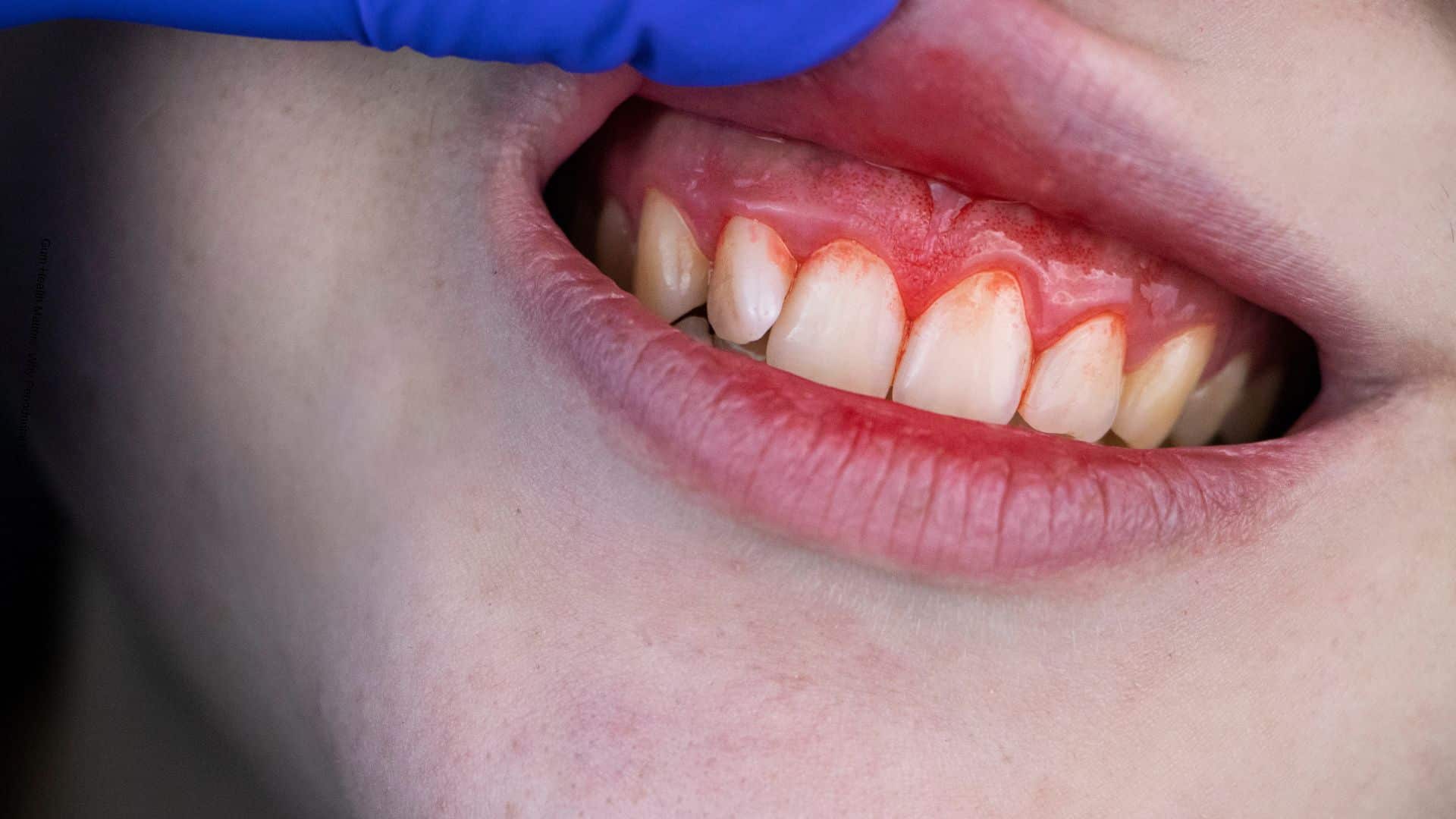
Gum disease is a common problem that affects millions of people around the world. It is a condition that occurs when the gums become inflamed and infected. If left untreated, gum disease can lead to serious health problems, including heart disease, stroke, and diabetes.
Periodontal care is essential for maintaining good oral health and preventing gum disease. It involves regular visits to the dentist for cleanings and exams, as well as practicing good oral hygiene at home.
What is gum disease?
Gum disease is a condition that occurs when the gums become inflamed and infected. There are two main types of gum disease: gingivitis and periodontitis.
- Gingivitis is the mildest form of gum disease. It causes the gums to become red, swollen, and tender. Gingivitis can usually be reversed with good oral hygiene.
- Periodontitis is a more serious form of gum disease. It causes the gums to pull away from the teeth, creating pockets that can become infected. Periodontitis can lead to tooth loss and other serious health problems.
What are the causes of gum disease?
Gum disease is caused by a buildup of plaque and tartar on the teeth. Plaque is a sticky film that forms on the teeth when bacteria in the mouth mix with food particles. Tartar is a hard substance that forms when plaque is not removed.
Bacteria in plaque and tartar produce toxins that can irritate and infect the gums. Over time, these toxins can destroy the tissue that supports the teeth.
What are the symptoms of gum disease?
The early symptoms of gum disease include:
- Red, swollen, or tender gums
- Bleeding gums when brushing or flossing
- Bad breath
- Receding gums
- Loose teeth
What are the risks of gum disease?
Gum disease has been linked to many serious health problems, including:
- Heart disease
- Stroke
- Diabetes
- Premature birth
- Low birth weight
- Respiratory problems
How can you prevent gum disease?
You can help prevent gum disease by practicing good oral hygiene. This includes brushing your teeth twice a day with fluoride toothpaste, flossing once a day, and seeing your dentist for regular cleanings and exams.
You should also avoid smoking and excessive alcohol consumption. These habits can damage the gums and make it more difficult to fight infection.
What is periodontal treatment?
Periodontal treatment is a procedure that is used to treat gum disease . There are some different types of periodontal treatment in Yuma, including:
- Scaling and root planing: This procedure involves removing plaque and tartar from the teeth and smoothing the root surfaces.
- Gum grafting: This procedure involves transplanting gum tissue from one part of the mouth to another.
- Periodontal surgery: This procedure may be necessary to treat severe gum disease. It can involve cutting away infected tissue, reshaping the bone, and repositioning the teeth.
Gum disease is a serious condition that can lead to many health problems. Periodontal care is essential for maintaining good oral health and preventing gum disease.
If you have any of the symptoms of gum disease, it is important to see your dentist for treatment. Early diagnosis and treatment can help prevent the progression of gum disease and its associated complications.
Your Path to Vibrant Gum Health
Gum health isn’t a luxury—it’s essential. You’ve seen how small oversights lead to big issues. Yet, with awareness and action, you reclaim control. From spotting signs to embracing treatments, every step strengthens your foundation. Commit today. Your future self—and smile—will thank you. Ready to prioritize? Call 928-249-3673 to schedule an appointment and start strong.