Imagine flashing a confident smile without a second thought. That’s the dream dental implants promise. But behind that seamless restoration lies a silent hero: your jawbone. Often overlooked, its vitality determines whether your new teeth feel like old friends or fleeting visitors. In this post, we’ll dive into why jawbone health isn’t just a footnote—it’s the foundation of lasting implant success. Ready to uncover the secrets? Let’s explore how a strong jawbone transforms your smile journey.
Understanding Jawbone Health and Its Role in Implants
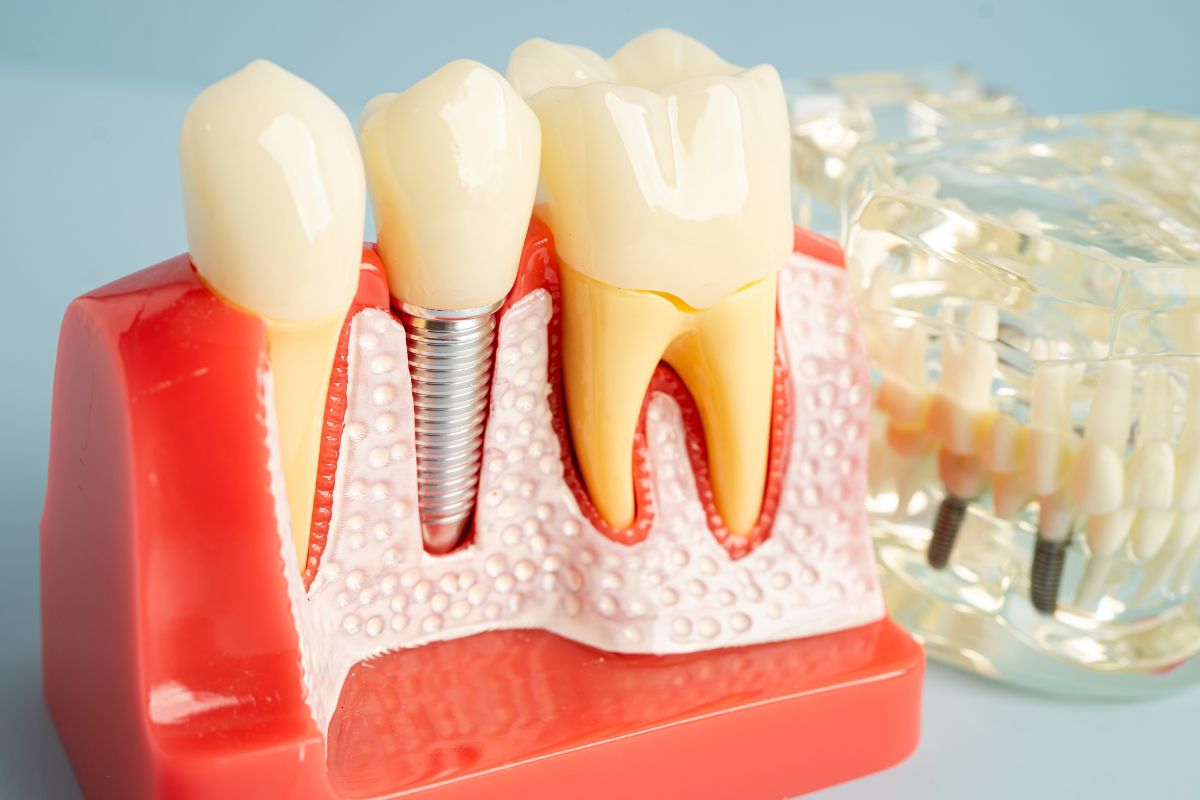
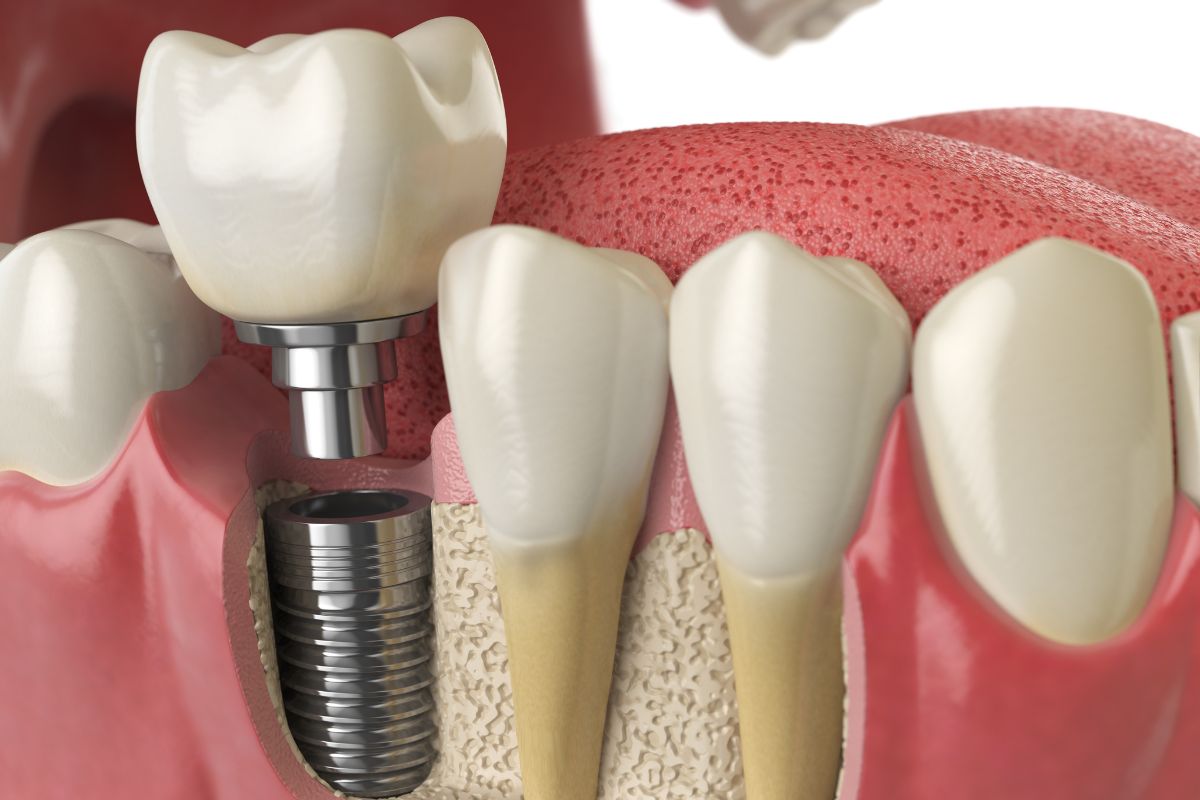
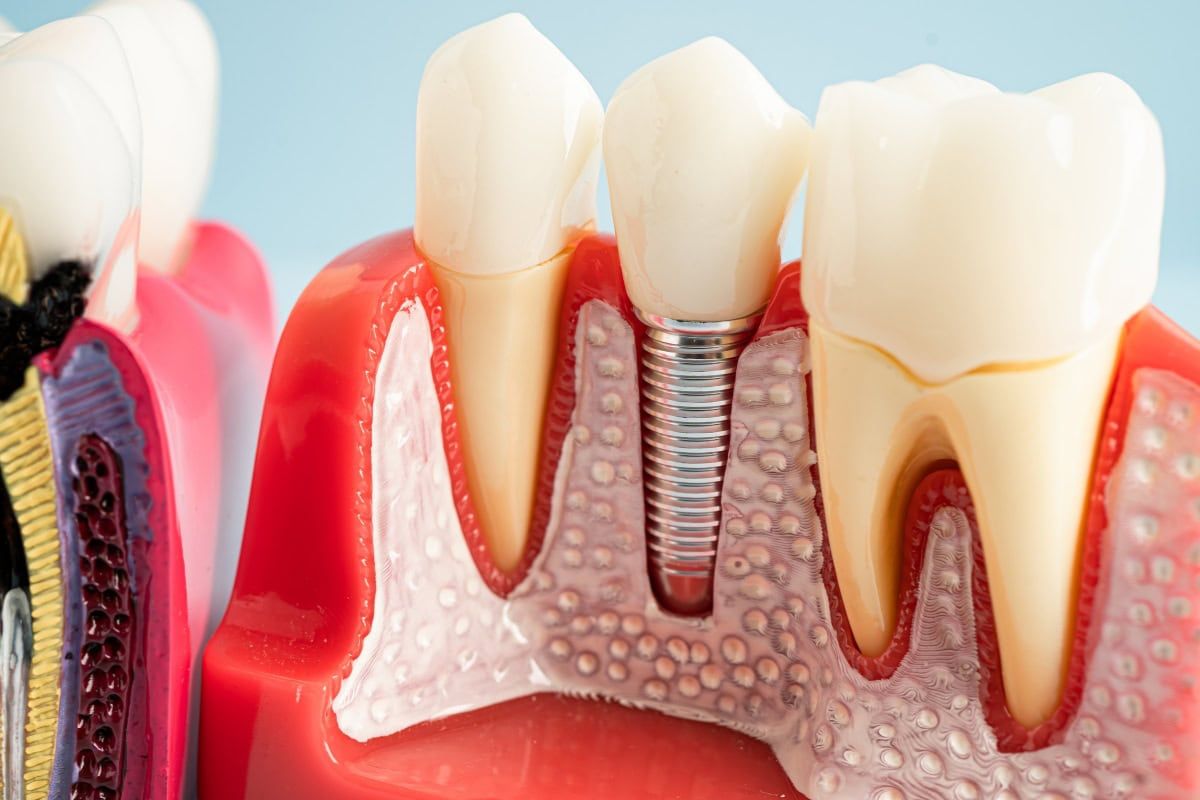
Your jawbone acts as the anchor for teeth, both natural and artificial. When healthy, it provides the dense, sturdy base that implants need to thrive. Think of it like soil for a tree—the richer the earth, the deeper the roots grow.
What Happens When You Lose a Tooth
Tooth loss triggers a chain reaction. Without a root to stimulate it, the jawbone starts to resorb, or shrink, at a rate of up to 25% in the first year. This bone loss weakens the structure, making future replacements trickier. It also shifts facial contours, leading to a sunken look over time. Early intervention halts this process, preserving your profile and bite alignment.
The Magic of Osseointegration
Enter osseointegration, the fusion where titanium implant posts bond with your jawbone. This biological marvel mimics natural tooth roots, sending signals to maintain bone density. Studies show dental implants in Yuma with strong osseointegration boast longevity rates exceeding 95%. Without it, implants risk loosening or failing. Prioritizing bone health ensures this integration happens smoothly, setting the stage for crowns that chew like champions.
Spotting Jawbone Issues Early
Catching problems before they escalate saves smiles. Common red flags include loose teeth, receding gums, or changes in bite fit. Chronic conditions like periodontitis accelerate bone deterioration by inflaming surrounding tissues. A simple X-ray reveals density levels, guiding next steps. Addressing these early boosts improves implant candidacy and cuts complication risks.
Building a Stronger Jawbone: Actionable Steps
You hold the power to fortify your foundation. Start with nutrient-rich foods packed with calcium, vitamin D, and phosphorus—think leafy greens, dairy, and fatty fish. These building blocks support remineralization, countering daily wear. Pair them with weight-bearing exercises like chewing gum to gently stimulate bone cells.
Lifestyle tweaks matter too. Quit smoking, as it starves bones of oxygen and slows healing. Manage diabetes or osteoporosis through routine checkups, since these erode density. Supplements like bisphosphonates may help under guidance, but food-first approaches yield sustainable gains. Small habits compound into a jawbone ready for implants.
In the sunny Southwest, where dry air can subtly impact oral hydration, extra water intake keeps tissues plump and resilient. Local patients often share how consistent routines turned “maybe someday” into “implant-ready now.”
When Bone Grafting Steps In
Not everyone starts with ideal density, but solutions exist. Bone grafting rebuilds volume using your own bone, donor material, or synthetics. Placed in the surgical site, it integrates over months, creating a scaffold for implants. This procedure, often minimally invasive, restores what’s lost from injury or decay. Success hinges on post-op care: soft foods, gentle rinses, and avoiding pressure on the area. Many regain full strength within six months, paving the way for secure placements.
For those exploring local Yuma dentist options, experts emphasize personalized grafting plans tailored to desert lifestyles, ensuring quicker recoveries amid our warm climate.
Implant Success Rates: A Quick Stats Overview
Bone density directly influences outcomes. Here’s a snapshot of survival rates by bone quality, drawn from clinical data:
| Bone Type | Description | 5-Year Success Rate | Key Insight |
|---|---|---|---|
| Type I-II | Dense, compact bone | 98% | Ideal for immediate loading; minimal grafting needed. |
| Type III | Moderate porosity | 92-95% | Common in adults; responds well to standard protocols. |
| Type IV | Soft, spongy bone | 80-85% | Higher failure risk; grafting is often required for stability. |
These figures highlight why assessing density upfront matters. With proper preparation, even Type IV cases achieve impressive results.
Trending FAQs on Jawbone Health and Dental Implants
Curious minds want answers. Based on popular searches, here are the top questions with straightforward insights:
- Can I get dental implants with low jawbone density? Yes, but bone grafting may be needed first. It rebuilds volume, allowing secure placement. Consult for a CBCT scan to confirm.
- How does bone loss affect my face after tooth extraction? It leads to sagging cheeks and a pointed chin. Implants prevent this by stimulating bone, maintaining youthful contours.
- What foods strengthen the jawbone for implants? Opt for calcium-rich options like yogurt and almonds, plus vitamin K sources such as spinach. They promote density without supplements.
- How long does the jawbone heal after implant surgery? Osseointegration takes 3-6 months. Full stability follows, with crowns added once fused.
- Does gum disease ruin the jawbone for implants? Untreated, yes—it erodes support. Treat periodontitis first for a clean slate and higher success odds.
These cover the essentials, easing common worries.
If you’re searching for a dentist in Yuma, consider one who blends advanced tech with down-to-earth advice. They’ll walk you through scans and simulations, demystifying the process.
Ready to fortify your foundation? A quick evaluation reveals your starting point, unlocking personalized paths to success.
Take that step toward a smile that lasts. Call 928-249-3673 today to schedule an appointment and reclaim your confident grin.