The loss of a tooth can impact more than your aesthetics. You may find that eating certain foods becomes difficult, you become self-conscious about smiling, and you might even notice that your speech has changed. While many people learn to cope with this problem, replacing the missing tooth is a way to regain the ability to eat comfortably and feel confident. To help you make an informed decision, you need to understand what dental implants involve.
Perhaps you’ve been weighing your options and want to learn more about dental implants. How long does it take? What does the process look like? Will this be the best solution for you? Thankfully, dental implants have proven to be one of the most effective tooth replacement options. If you know what to expect, the whole process won’t seem so daunting.
At Gila Ridge Dental, our dentists want all their patients to have access to as much information as possible. No matter when you lost your tooth or if you’ve been coping with the problem for some time, understanding your options will help you decide which is right for you.
Beyond the Cosmetic Problems of Losing Your Teeth
Many people associate missing teeth with cosmetic problems; however, the issue goes far beyond that. In the first place, our teeth help us eat properly, speak normally, and maintain the natural shape of our faces. If we lose some of our teeth, our other teeth have to compensate for the lost function.
Here are some aspects of how missing teeth influence our oral cavity:
It Is Harder to Eat
To chew normally, we need all our teeth. Without teeth, we may have difficulty eating foods such as apples, steak, nuts, and crispy vegetables. If time is an issue, we will be forced to give up some of them.
The Remaining Teeth Will Move
Every tooth holds the others from moving. As a result, without a tooth, there may be a chance that other teeth will move into the empty space.
Bone Loss Can Occur
Unlike natural teeth, a missing space in the jaw does not provide any chewing stimulation in that area anymore. For this reason, bone loss can occur in the jaw, may affect facial aesthetics, and may increase complications for future tooth replacement.
Confidence Level Can Decrease
When an individual loses a tooth, he or she may start paying attention to the smile that has changed as a result. In some cases, this change may affect people’s confidence when taking pictures and having conversations with others.
Why It Is Important to Replace a Missing Tooth As Soon As Possible?
Many patients delay dental treatment because the absence of a tooth is not associated with pain. However, postponing dental procedures usually means allowing the problem to become worse.
The most serious complication is bone loss that occurs in the case of a missing tooth, since the jawbone starts shrinking due to the lack of the stimulating effects of the tooth root.
Furthermore, waiting will allow the adjacent teeth to move into the vacant gap. Movement of any sort is bound to impact your bite, cause unnecessary wear and tear on other teeth, and make future treatments difficult.
Getting the missing teeth replaced early can also help maintain normal chewing ability. Instead of stressing out your existing teeth, you would be able to spread the biting forces over your entire mouth.
Each individual case is unique, but getting to talk about the options early in the game will give you more options.
What to Expect From the Dental Implant Procedure?
One of the main reasons people shy away from dental implants is that they have no idea what the procedure entails. Knowing the procedure and understanding each step will allow you to prepare better.
Step 1: A Thorough Consultation
The procedure starts with a comprehensive dental consultation. Your dentist will examine your teeth and jawbone, take your medical history into consideration, and see what your goals are. You might have digital X-rays or 3D images taken to check if you have enough healthy bone tissue in your jaw.
This consultation period is also the best time to ask questions and determine whether dental implants are the right treatment for your specific needs.
Step 2: Customizing Your Care Plan
Every smile is special. Once your dentist reviews your diagnostic report, she/he will formulate a custom plan of action based on the results of your dental examination.
Number of teeth you’ve lost, condition of your bones, and overall health of your mouth – all of that can be considered while developing your care plan.
In case more treatments are needed, like bone grafts, your dentist will explain to you why they are helpful in terms of increasing your chances of successful implantation.
Step 3: The Implant Procedure
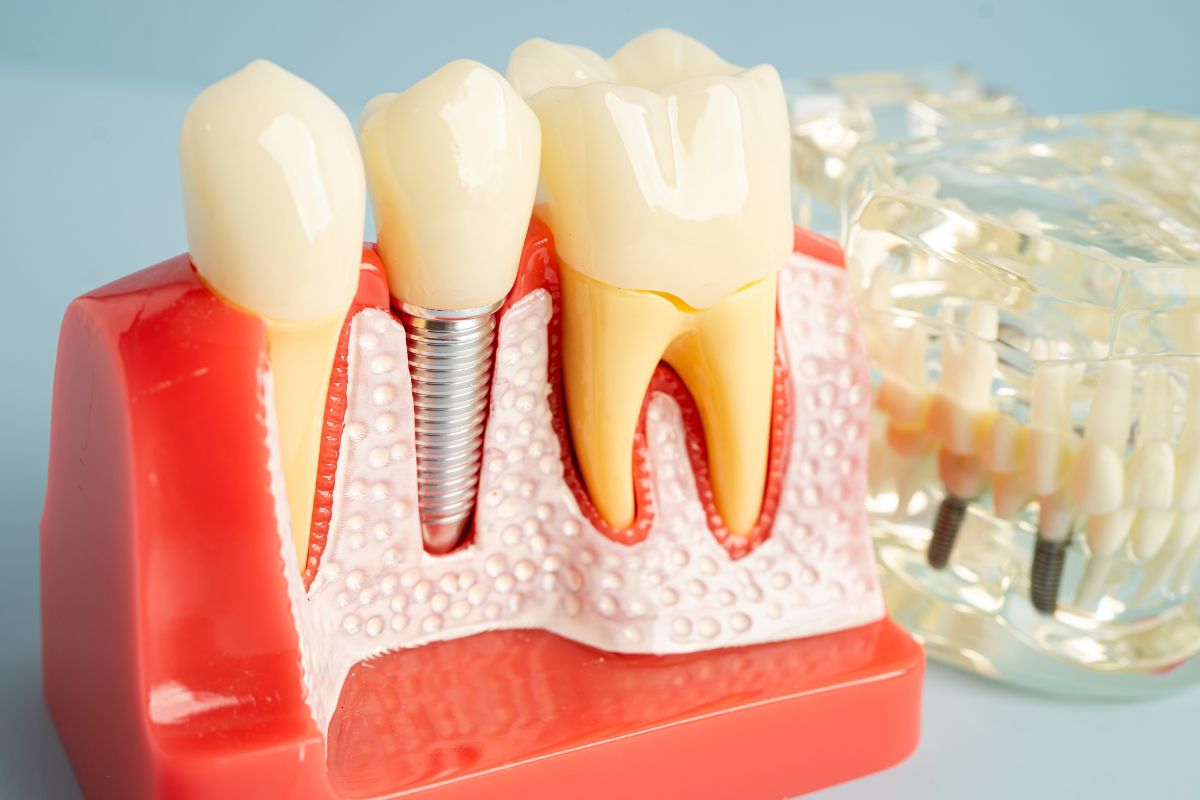
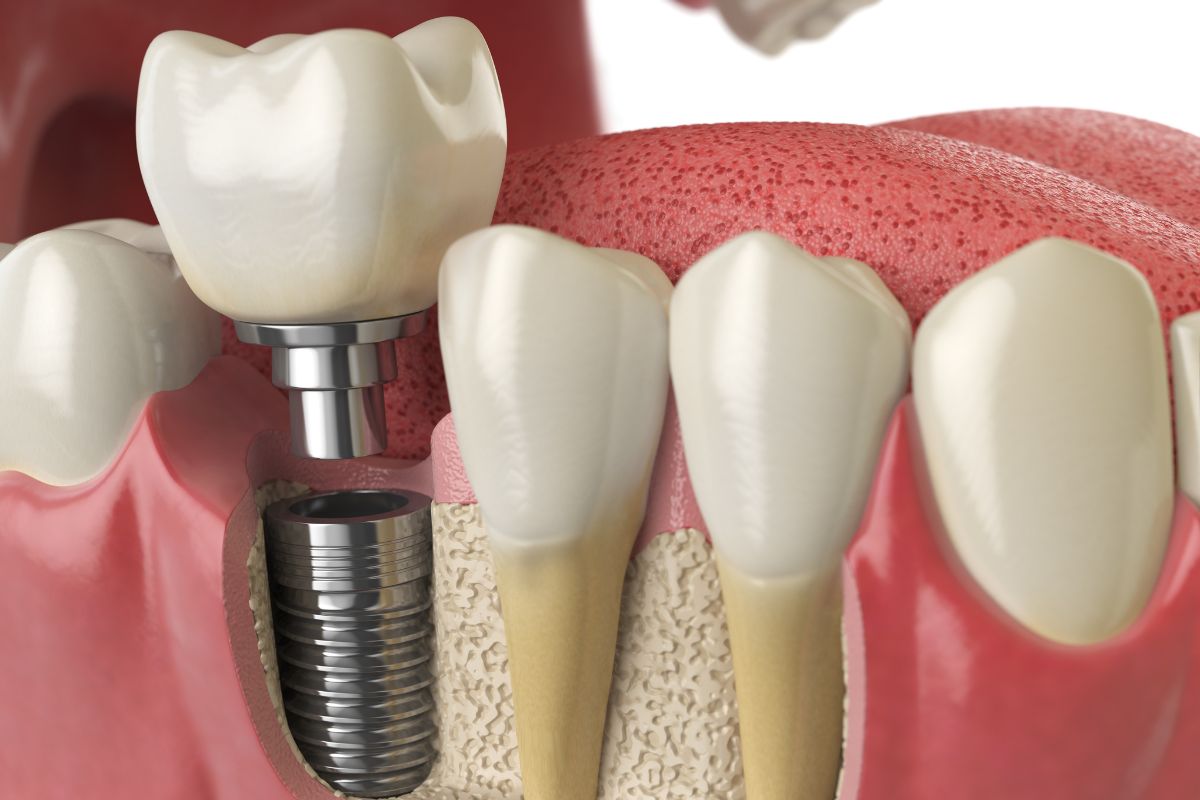
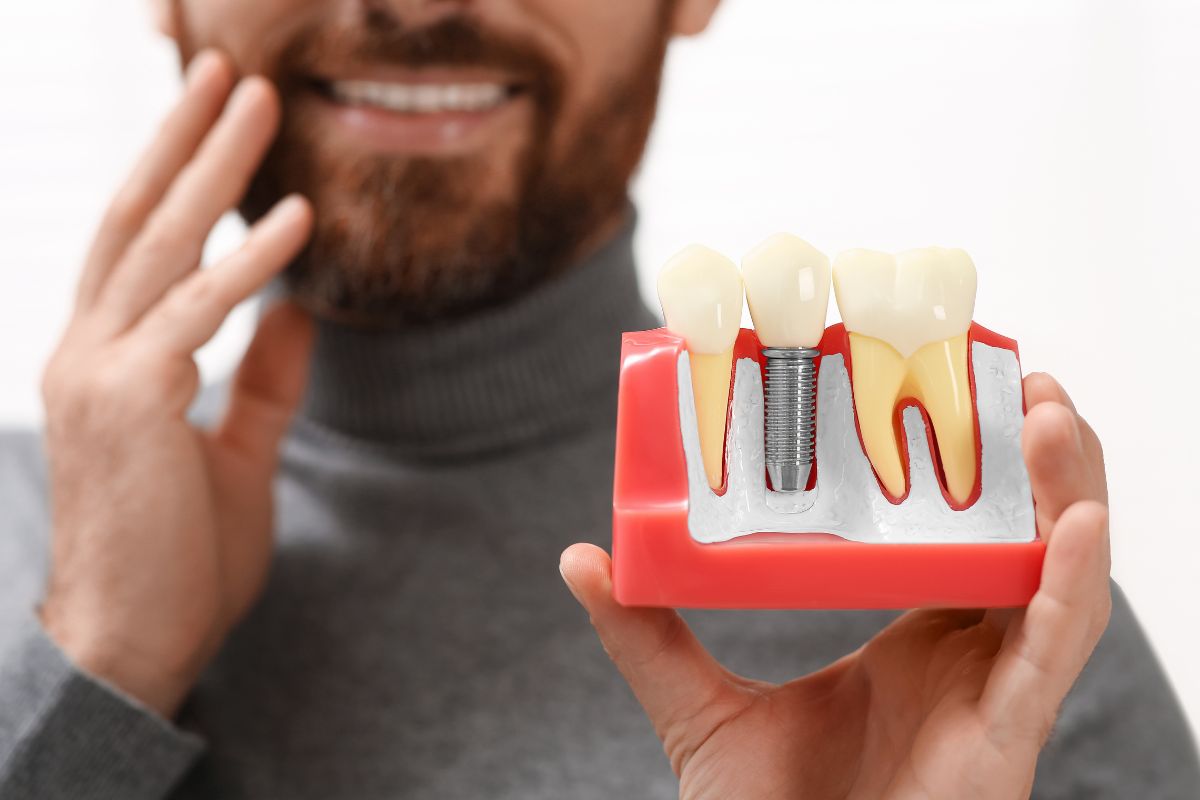
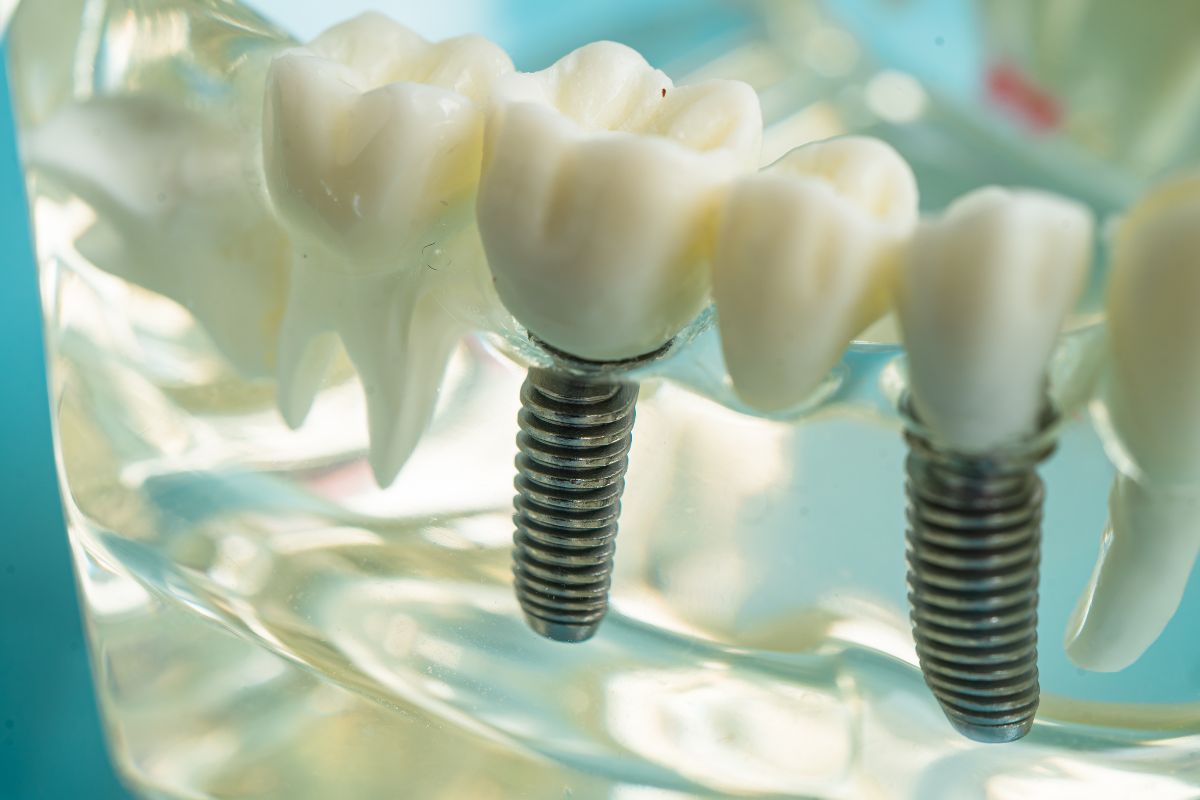
The implantation procedure involves placing a tiny titanium post into the place of your lost tooth. This procedure uses a local anesthetic that keeps the area numb throughout.
One of the pleasant surprises for most patients is the fact that the procedure is not as uncomfortable as they might have anticipated. Soreness after the treatment is common but manageable with medication and by following your dentist’s instructions for caring for your mouth afterward.
Step 4: Recovery and Bone Bonding
The recovery period is probably one of the most crucial aspects of this entire procedure. Within a couple of months after the implantation of the titanium fixture, the jawbone will begin to bond to the fixture through a natural process known as osseointegration.
As a result, a strong base will form, allowing the implant to work just like the roots of natural teeth. Even though this process takes time and requires some patience, it plays an important role in the stability of the restoration.
Step 5: Insertion of the Crown
When the healing period is over, a dental crown is attached to the implant. It is specially manufactured for each patient to perfectly match the color, shape, and size of the surrounding teeth.
How Can You Get Back to Your Daily Routine with Dental Implants?
The biggest benefit of dental implants is not limited to merely filling the gap in your mouth. They enable you to enjoy activities that otherwise seem to be taken for granted and thus let you lead a happy life filled with eating, talking, and socializing.
Eating the Foods That You Love
Having no teeth can be quite annoying while eating. People tend to skip many foods, such as crispy fruits and vegetables, nuts, and meat, because of difficulties with chewing.
Implants give you a strong base, which will allow you to bite and chew more naturally. When your dentist tells you that your implants have healed well enough, you can start eating different foods in order to maintain a proper and varied diet.
Improved Speech
Your teeth contribute significantly to the process of pronouncing some words. The spaces that are left due to missing teeth can influence your speech.
Implants help you achieve better lip and tongue support.
Smile Without Feeling Embarrassed
A smile is one of the very first things that people tend to notice in others. If you were not smiling due to missing teeth, getting those teeth back will make you more at ease when socializing with others.
Whether you are taking pictures with your family, participating in special events, or just having a good laugh with your buddies, feeling good about your smile can have an significant effect on you.
Help Yourself Maintain Your Oral Health
One difference between dental implants and other tooth replacement methods is that implants stimulate your jawbone during eating.
I have to say Gila Ridge dental is one of the best dentist offices.. the staff is always welcoming and attentive and everyone makes you feel as if you belong I rate 10 stars cause five isn’t enough – Michael Carpenter
Want to know what others think? Check out our patients’ Google reviews and feel confident in your choice.
Simple Actions That Can Make Your Dental Implant Last for Years
While dental implants are meant to be very durable, they still need proper care. Good daily actions can help prevent any damage to the implant, as well as to your gums and the rest of your teeth.
Brush Twice a Day
Use a soft-bristled brush and a fluoride toothpaste to brush your teeth morning and night. Be sure to pay extra attention to the area around your gum line.
Clean Between Your Teeth Daily
Food particles and plaque can accumulate between your teeth and your implant. To prevent complications, floss your teeth regularly.
Visit Your Dentist Regularly
Regular visits to your dentist will help him/her check the state of your implant and your gums. Professional cleaning will remove plaque and tartar that cannot be removed with regular brushing.
Stop Using Tobacco Products
The use of tobacco products, such as smoking, can interfere with healing and increase the likelihood of experiencing complications when getting dental implants. Abstaining from tobacco products helps improve both your oral and general health.
Take Care of Your Teeth
If you experience grinding and clenching of your teeth while sleeping, your dentist may recommend a custom-fitted night guard. Protecting both your own teeth and your dental implants from undue stress helps them last longer.
Questions Often Asked When Getting Dental Implants
As you educate yourself about dental implants, some questions might come to mind. The following are a few common questions people ask prior to treatment.
Is There Pain During the Procedure of Implants?
Most people are astonished to discover that the procedure is less painful than they thought. Local anesthesia is used during the procedure, and the mild soreness afterward is temporary.
How Long Will It Take?
The treatment period varies depending on the patient. Healing after the implant procedure takes several months before the restoration can be placed.
Would My Implant Look Like a Natural Tooth?
Certainly. The implant will be made to resemble your own teeth in size, shape, and color.
Are the Implants Permanent in Nature?
Yes, they can be, provided that you practice good oral hygiene, have periodic dental checkups, and lead a healthy lifestyle.
Who Can Receive Dental Implants?
It must be noted that old age per se is not considered an adequate reason for receiving dental implants; healthy older people receive them based on their teeth examination.
The Right Care for a Healthier Smile
It shouldn’t be your life’s new norm to have lost some of your teeth. Knowing the dental implant procedure means being equipped to make sound decisions about your oral health and self-confidence. Regardless of whether you are replacing one tooth or several, choosing the best treatment for you today is always good for your smile in the long run.
At our dental office, Dr. Stephen Garner, Dr. Thor G. Thorson, and the rest of the team strive to help you gain insight into your treatment process so you can feel confident in your decision. For a reliable and lasting solution to replacing your missing teeth using dental implants through the dental implant procedure, we have you covered.
If you’re living in Yuma, AZ, and have been thinking about dental implants, why not book an appointment with us? We conveniently serve people from Central Yuma, West Yuma, and Foothills.